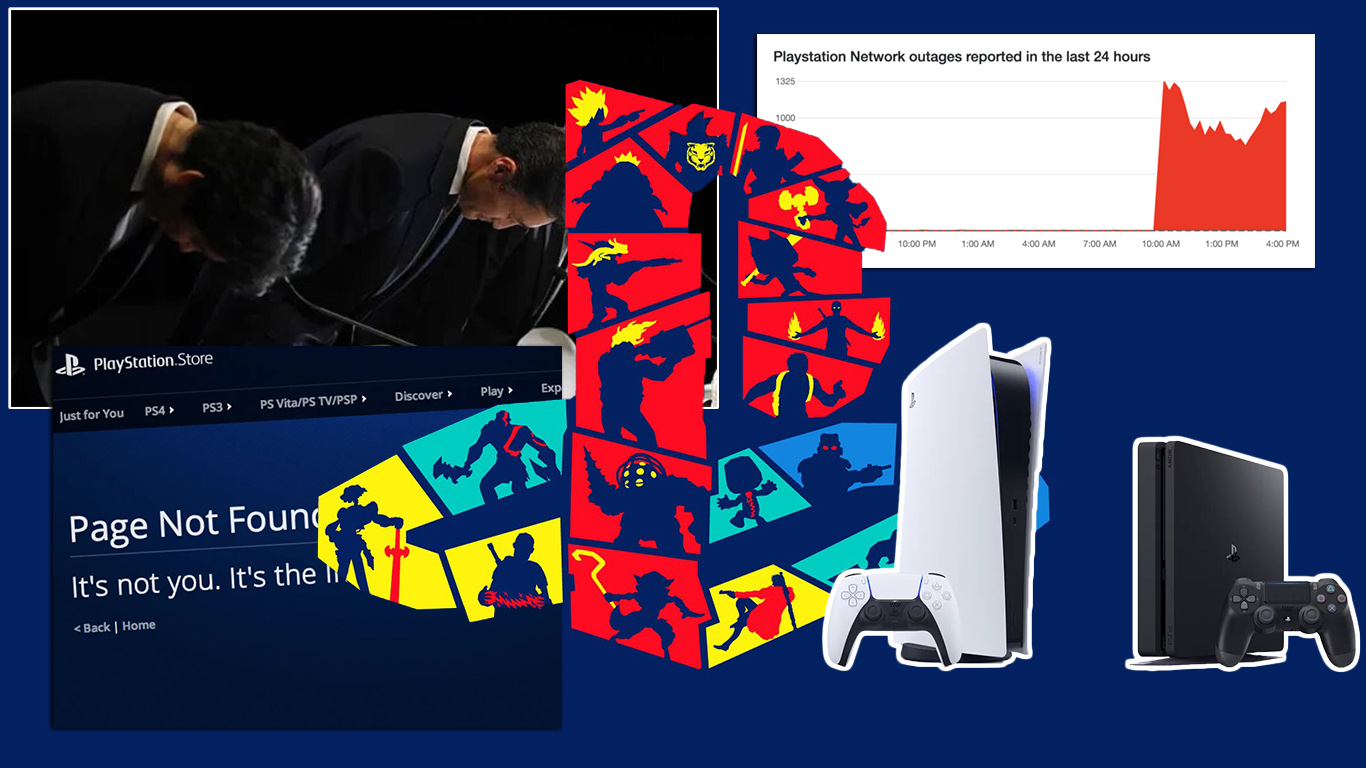
Over the years, the PlayStation Network (PSN) has experienced several major security breaches and service outages, with the most recent disruption on October 1st once again putting Sony’s systems back in the spotlight. stay with us to take a look at the history of the times Sony’s servers was hack and how they managed fix the problems they were facing at the time.
2011 PlayStation Network Breach
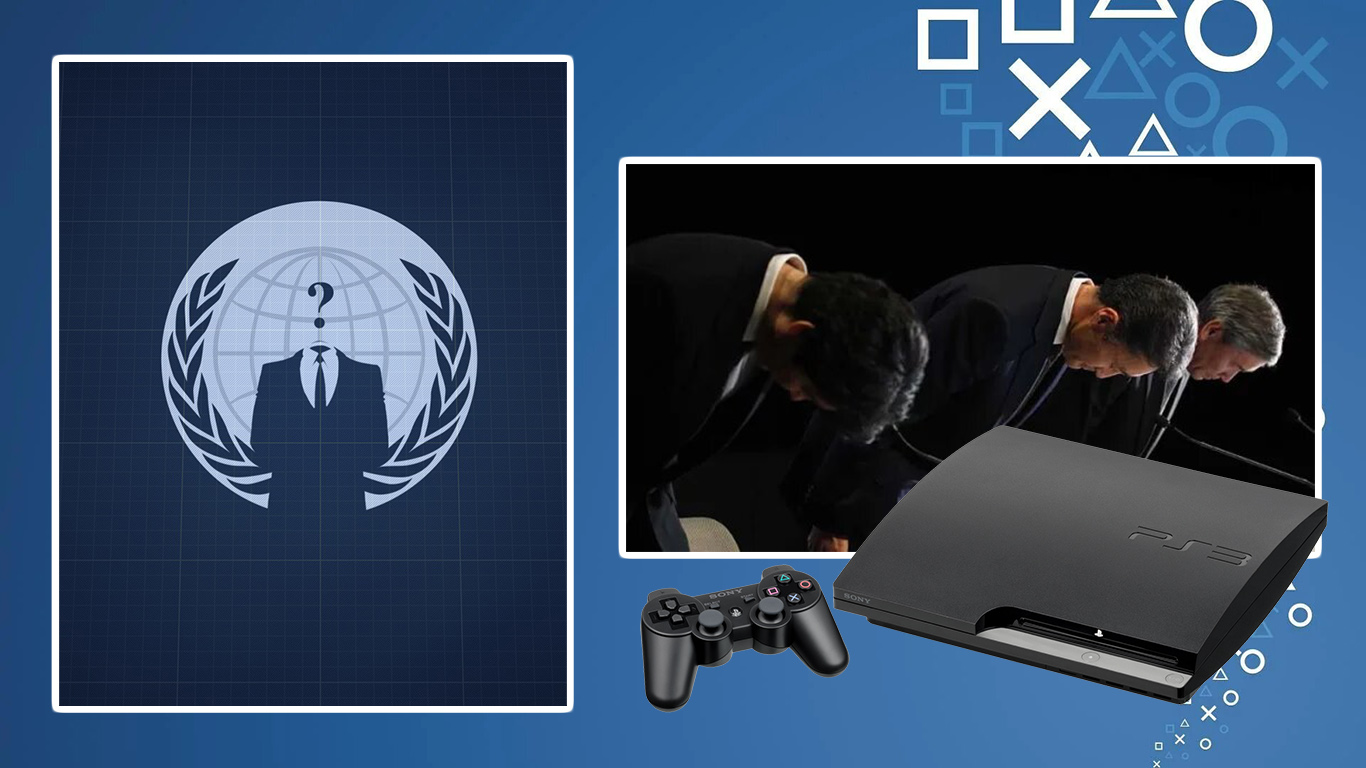
In April 2011, hackers successfully infiltrated the PlayStation Network, exposing personal information for approximately 77 million user accounts. Sensitive data such as names, addresses, emails, and possibly even credit card information were compromised, making it a colossal breach in terms of both scale and impact.
The attack was traced back to an SQL injection attack, a common method in which hackers exploit vulnerabilities in web forms to manipulate a database and gain unauthorized access. Sony’s security infrastructure at the time wasn’t equipped to handle such a sophisticated attack. As a result, the company took the PlayStation Network offline for nearly 23 days, preventing players from accessing online multiplayer games, the PlayStation Store, and other digital services.
Sony’s response included a public apology and a compensation package offering free games and 30 days of PlayStation Plus to affected users. However, the damage extended far beyond the initial frustration of players. The company was heavily criticized for its slow response in notifying users about the data breach, leading to multiple lawsuits and government fines. In total, the attack and its aftermath cost Sony an estimated $171 million, which covered user compensation, security upgrades, and legal fees.
This breach exposed significant flaws in Sony’s network security and marked a watershed moment in gaming history, as it forced the company and other online platforms to prioritize cybersecurity and data protection.
The Interview Movie Controversy and DDoS Attacks
In August 2014, another potential breach raised concerns when the personal information of around 2,500 PlayStation users was allegedly leaked online. While Sony denied any significant breach, the event fueled growing anxiety about PSN’s security infrastructure.
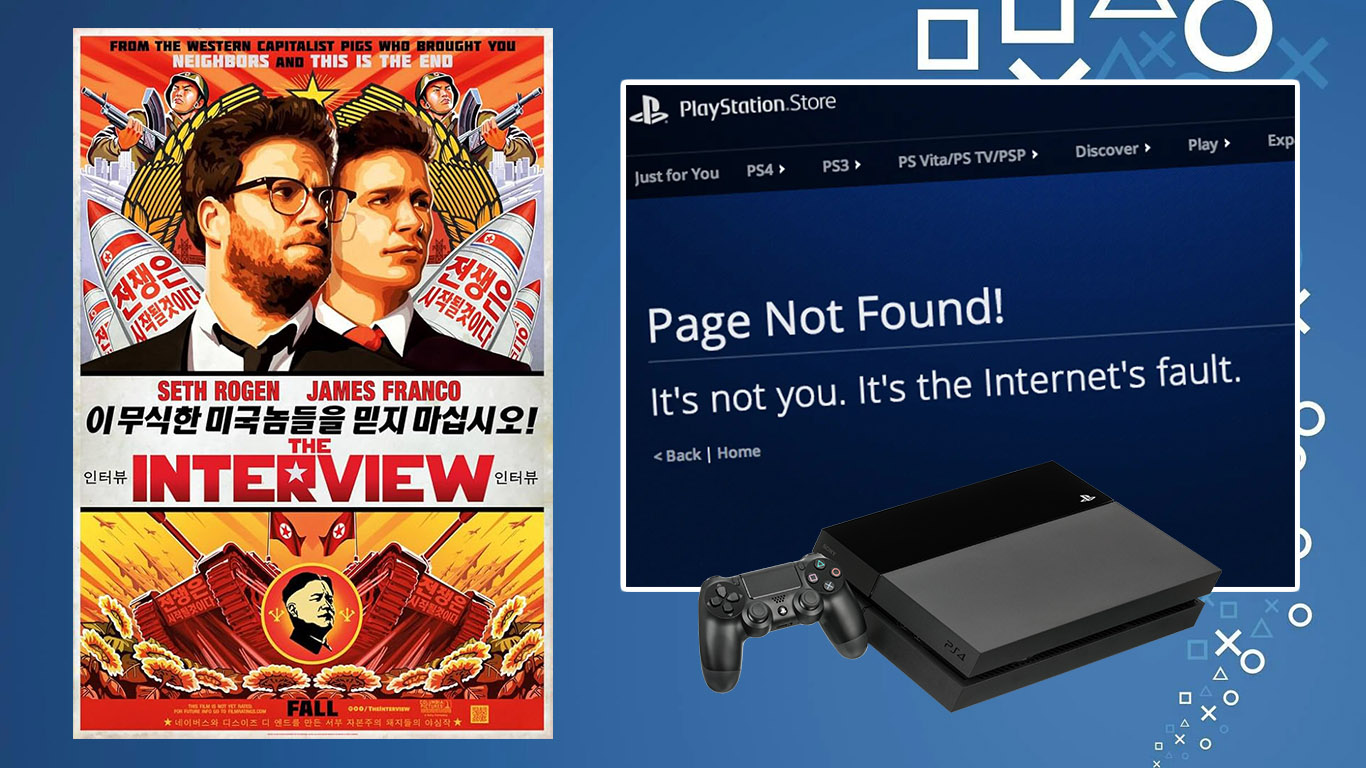
Later that year, during the holiday season, a Distributed Denial of Service (DDoS) attack claimed by the hacker group Lizard Squad disrupted PSN. DDoS attacks flood servers with overwhelming traffic, rendering them inaccessible. This particular attack prevented millions of players from accessing PSN during Christmas 2014, a crucial period for online gaming and digital purchases.
However, there was more to the story. During the same period, Sony Pictures was involved in the release of “The Interview,” a comedy starring Seth Rogen and James Franco about a fictional attempt to assassinate North Korean leader Kim Jong-un. The North Korean government expressed outrage over the film’s portrayal of their supreme leader, and shortly afterward, Sony was targeted in a massive cyberattack believed to be a retaliatory act by North Korean-affiliated hackers. This attack impacted Sony’s entertainment divisions, including Sony Pictures, and indirectly contributed to the PSN Christmas outage of 2014. The compounded impact on Sony, both from the DDoS attack and the fallout from the movie, resulted in a major loss of revenue during the holiday season and further fueled questions about Sony’s digital security.
October 2024 Outage
The most recent major incident occurred on October 1, 2024, when the PlayStation Network experienced a significant outage, leaving millions of players unable to log in, access the PlayStation Store, or make purchases. While Sony quickly acknowledged the issue and worked to restore services, the lack of transparency surrounding the cause sparked widespread frustration and speculation among users.
Unlike the 2011 breach, there was no confirmed security hack involved in this incident. However, the downtime disrupted online gaming for several hours and reignited long-standing concerns about the reliability and security of Sony’s network infrastructure, especially given its history of cyberattacks and service outages.
The Impact and Future of PSN Security
These incidents have underscored the growing challenges of maintaining a secure, reliable online infrastructure in an era of increasing cyber threats. Since the 2011 breach, Sony has implemented a number of security improvements, including the introduction of two-factor authentication (2FA) and enhanced encryption protocols to safeguard user data.
However, the continued prevalence of outages and cyberattacks, including the 2024 PSN outage, shows that even with security upgrades, online gaming platforms remain vulnerable to both internal failures and external attacks. As the digital gaming ecosystem continues to grow, these platforms are likely to remain prime targets for hackers.
Sony faces mounting pressure to ensure its network can withstand such threats, particularly in the competitive and rapidly evolving landscape of gaming. Whether through improved cybersecurity, faster communication, or more robust infrastructure, the company’s future will depend on how effectively it addresses these concerns.