In Silent Hill 2, one of the most memorable psychological horror games ever made, James Sunderland’s journey through the foggy town gradually reveals the devastating truth: his wife, Mary, has been dead all along. What sets this game apart is its brilliant use of subtle storytelling to foreshadow this revelation. As you progress, the signs are there if you look closely. Let’s dive into the key moments, imagery, and narrative techniques that hinted at Mary’s death from the beginning, making the twist even more impactful.
The Faded Letter
At the beginning of the game, James carries a letter from Mary that draws him to Silent Hill, claiming she’s waiting for him in their “special place.” However, observant players may notice that the letter becomes harder to read as the game progresses. By the time James reaches the end, the letter is gone altogether, symbolizing the fading illusion James holds onto—that Mary is still alive. This subtle clue plants the idea early on that something isn’t quite right about Mary’s whereabouts.
The Town’s Atmosphere as a Reflection of Guilt
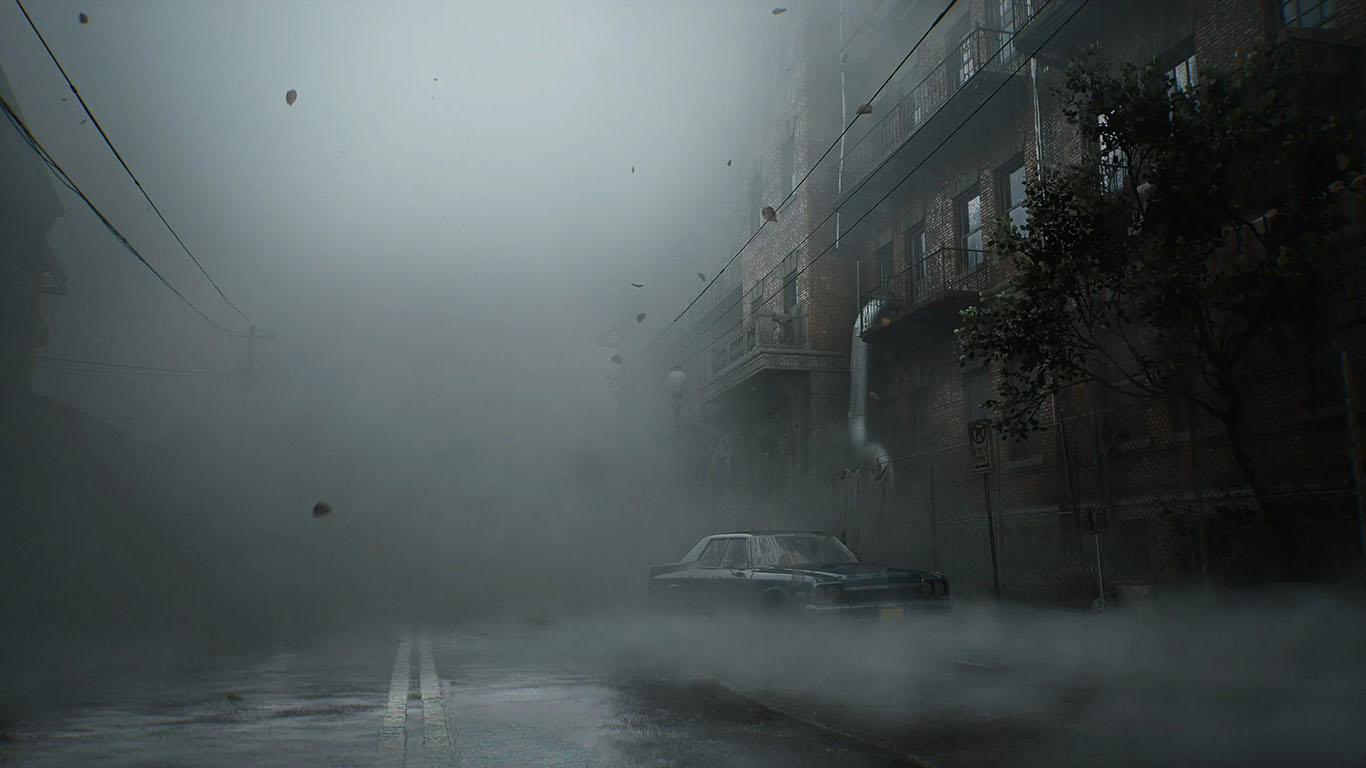
Silent Hill itself is a manifestation of James’ subconscious mind, acting as both a mirror and a tormentor. The town’s deteriorating state and shifting environments reflect his inner turmoil and repressed memories. The enemies, especially the infamous Pyramid Head, embody his guilt and self-punishment. Even the fog that shrouds the town can be interpreted as James’ clouded perception of reality, preventing him from confronting the truth.
The town feels like it is decaying alongside his emotional state, with the disarray of places like the Brookhaven Hospital and Lakeview Hotel mirroring his fractured memories of Mary’s sickness and final days.
Maria: The Illusion of Desire
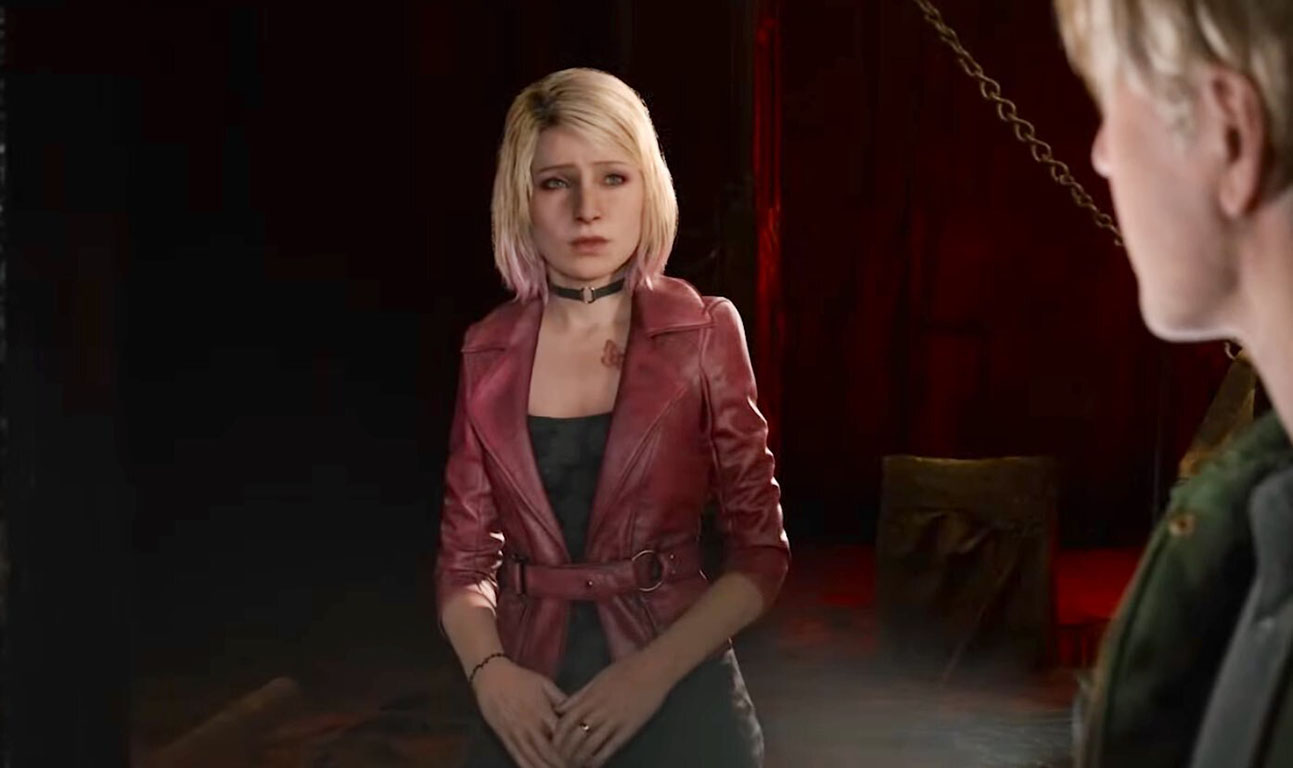
Maria, a central character in the game, serves as a perfect foil for Mary. While Mary is portrayed as gentle but sickly, Maria is vibrant, flirtatious, and physically similar to Mary, yet exaggerated in certain ways. Her multiple deaths throughout the game—only to reappear moments later—hint that she’s not real, but rather a manifestation of James’ desires and guilt. Her presence is a clear sign that James’ perception is deeply flawed.
Enemies That Represent Psychological Struggles
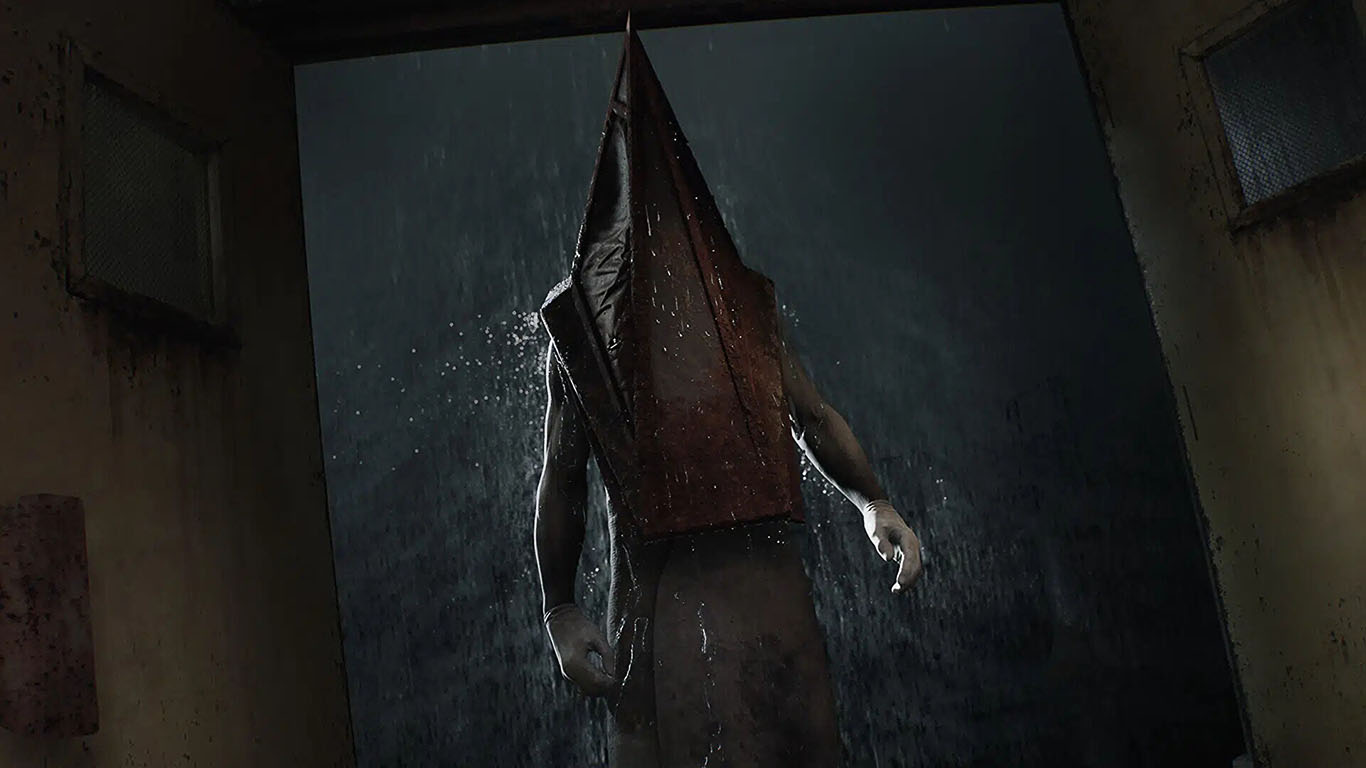
The enemies James encounters in Silent Hill are more than just physical threats; they are reflections of his mental state. Nurses, for example, represent his conflicted feelings about Mary’s illness and the hospital in which she spent her final days. Pyramid Head is another key figure, acting as a representation of James’ desire for punishment, as he grapples with his guilt over Mary’s death. Their designs reflect repressed memories and trauma, driving home the truth that James isn’t simply searching for Mary—he’s avoiding the truth about what happened.
Laura’s Innocence: A Child’s Unclouded Perception
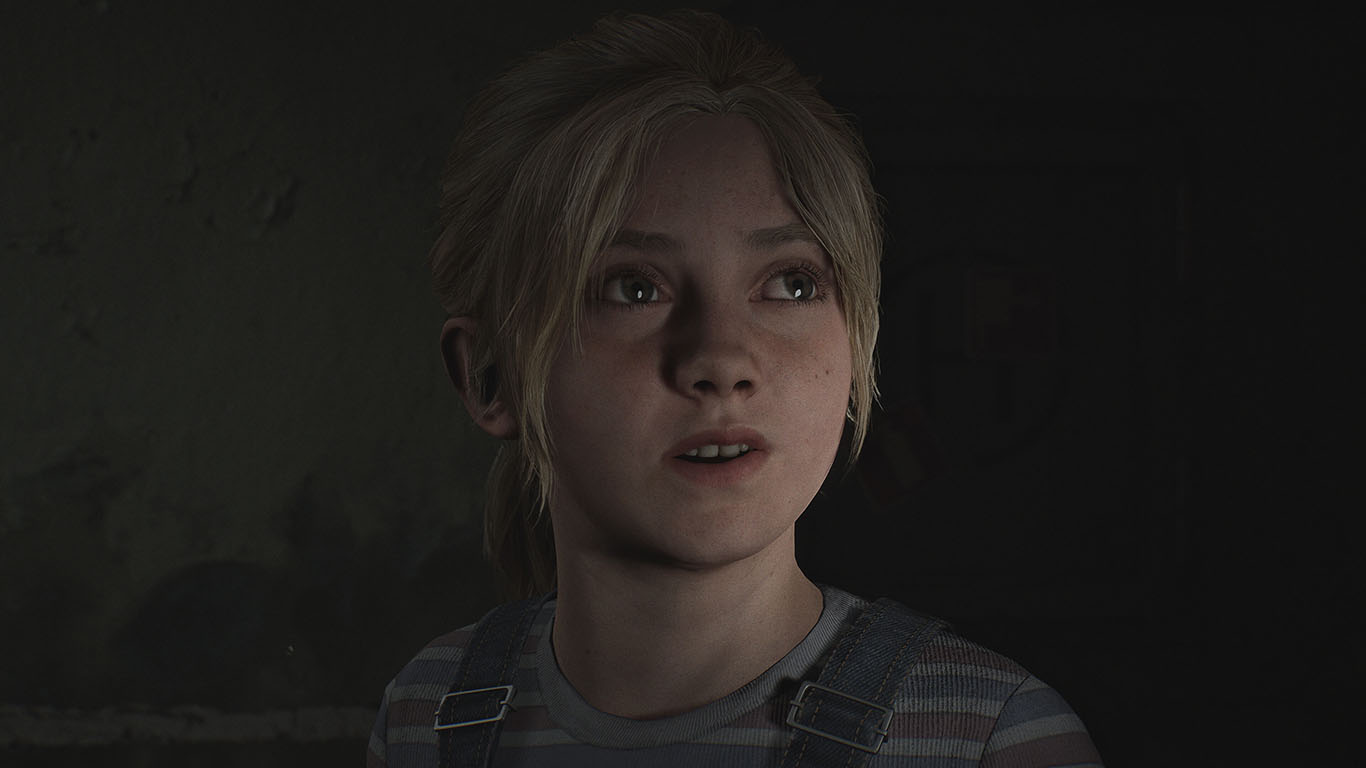
One of the most interesting characters in Silent Hill 2 is Laura, a young girl James encounters who knew Mary during her illness. What makes Laura significant is her complete lack of fear regarding the town or its monsters. This could symbolize her innocence, but it also reinforces the idea that she’s not haunted by guilt, unlike James. Her interactions with James often contain subtle digs that further hint at Mary’s death—Laura insists that Mary never mentioned James and scoffs at his claim that he received a letter from her.
The Shattered Memories: Video Tape Scene
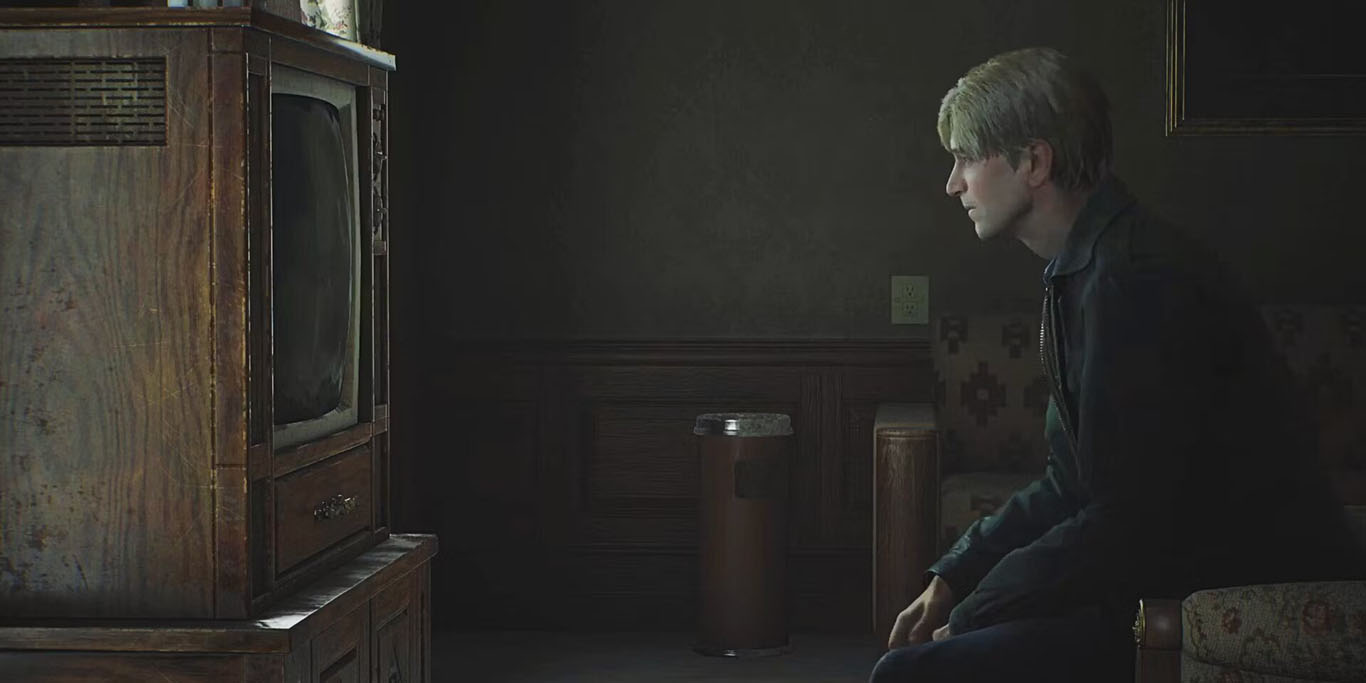
One of the most heart-wrenching moments in the game occurs when James watches a videotape in the Lakeview Hotel. The tape starts as a seemingly innocent memory, but it slowly reveals the moment James suffocated Mary in her hospital bed, unable to bear watching her suffer any longer. This pivotal moment ties all the clues together, confirming that Mary has been dead for a long time and that James’ entire journey was an elaborate coping mechanism to hide this truth from himself.
Environmental Storytelling
The environments in Silent Hill 2 are meticulously designed to support the underlying narrative of denial. From the decaying structures to the surreal, ever-changing hospital and hotel, every location carries symbolism related to death, illness, and mental anguish. The way these locations shift and contort throughout the game—particularly as James gets closer to accepting the truth—acts as a visual representation of his crumbling psyche. The game masterfully uses its setting to foreshadow the eventual reveal, making it feel like a natural, if gut-wrenching, progression of the story.