If you’re into puzzles that make you think hard while delivering that “aha!” moment of satisfaction, Nonograms might be your next favorite challenge. Also known as Picross, Griddlers, or Japanese Crosswords, these grid-based logic puzzles combine number-crunching, careful thinking, and a sprinkle of creativity to reveal hidden pixel art images. Let’s dive into the fascinating history of Nonograms, how to play them, and why they continue to entertain puzzle lovers around the world.
The Origins of Nonograms: From Skyscrapers to Puzzles
Nonograms have a surprisingly cool backstory that starts in Japan during the late 1980s. In 1987, Non Ishida, a talented Japanese graphics designer, took part in a competition to create a pattern on a skyscraper by switching certain lights on and off. Her clever use of grid-based design inspired her to translate the idea into a paper puzzle: fill specific squares in a grid to create a picture.
Around the same time, Tetsuya Nishio, a professional puzzle creator in Japan(not the person who created Ghost in The Shell and other anime characters!), independently developed a similar grid-based puzzle concept. By 1988, these picture logic puzzles were gaining popularity across Japan. Ishida published her version under the name Window Art Puzzles.

The puzzle’s global leap came thanks to James Dalgety, a British puzzle enthusiast, who discovered Ishida’s designs and helped bring them to the UK. He coined the name Nonogram as a tribute to Non Ishida’s name and “gram” for “diagram.” In 1990, Nonograms made their debut in The Sunday Telegraph as a weekly feature, quickly captivating readers and spreading their appeal beyond Japan.
By the mid-90s, Nonograms were appearing in newspapers worldwide, including major outlets in the United States, Sweden, and South Africa. Since then, the puzzles have gone by many names due to copyright and rebranding, including Paint-By-Numbers, Cryptopics, and Pic-a-Pix. While the names vary, the core concept remains the same: logic and art coming together in one brain-teasing package.
How to Play Nonograms: A Quick Guide
Nonograms may look intimidating at first, but the rules are simple once you get the hang of them. Here’s a basic breakdown:
- The Grid: Nonograms use a grid of squares, often starting at 5×5 for beginners but scaling up to 20×20 or even larger for advanced players.
- Clues: Numbers are provided alongside each row and column. These numbers tell you how many consecutive squares to fill in. For example:
- A row labeled “3 2” means you fill in 3 squares, leave at least one blank space, and then fill in 2 more squares.
- Logic and Deduction: The challenge lies in figuring out where the squares go. Using logic, you cross-reference clues from the rows and columns until you’ve filled in all the correct spaces.
- The Reward: Once solved, the grid reveals a pixelated picture—anything from an animal to a flower or a geometric design.
While it sounds straightforward, larger puzzles require careful thought and planning. Mistakes can throw off your progress, so patience and attention to detail are key.
Why Do People Find Nonograms So Addictive?
Nonograms are loved for their perfect mix of logic, creativity, and mental relaxation. Here’s why they’re so popular:
- A Mental Workout: Solving a Nonogram requires careful deduction, making it a great exercise for your brain. It improves logical reasoning, problem-solving skills, and focus.
- Creativity Meets Logic: Unlike other logic puzzles, Nonograms give you a visual reward. Watching the image slowly emerge as you fill in the grid is oddly satisfying.
- Stress Relief: Despite their challenging nature, Nonograms can be incredibly relaxing. The process of solving one is meditative, helping you zone out and de-stress.
- Easy to Learn, Hard to Master: The rules are simple, but mastering complex grids takes practice, making Nonograms enjoyable for beginners and puzzle pros alike.
From Paper to Screens
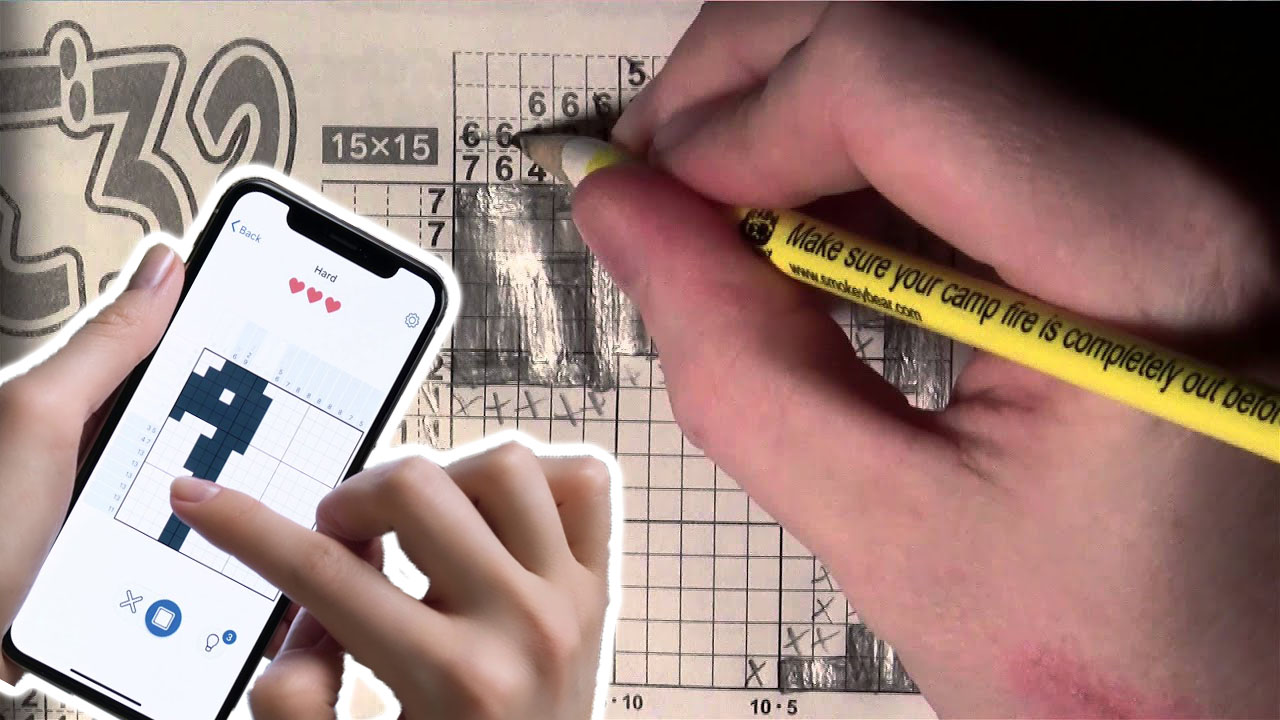
While Nonograms started in newspapers and books, they’ve adapted perfectly to the digital age. Apps and games have turned these puzzles into sleek, colorful experiences that can be played anywhere. Platforms like Nintendo’s Picross series, mobile apps like Nonogram.com, and even browser-based versions have introduced Nonograms to a new generation of players.
Many digital versions come with added features like hints, themes, and progress tracking, making them even more accessible. Whether you prefer quick, small puzzles on your phone or massive, time-consuming grids on your PC, there’s a Nonogram out there for you.
Why You Should Try Nonograms
If you’ve never tried a Nonogram, now’s the time to pick one up. It’s the perfect mix of brain-teasing logic and satisfying creativity. Whether you’re a fan of Sudoku, crosswords, or just love discovering hidden surprises, Nonograms offer something fresh and fun.
Start with smaller grids to build confidence, then challenge yourself with bigger, more complex puzzles. Before you know it, you’ll be solving Nonograms like a pro—one square at a time. So grab a pencil, fire up an app, or find a grid online and enjoy watching the picture come to life!