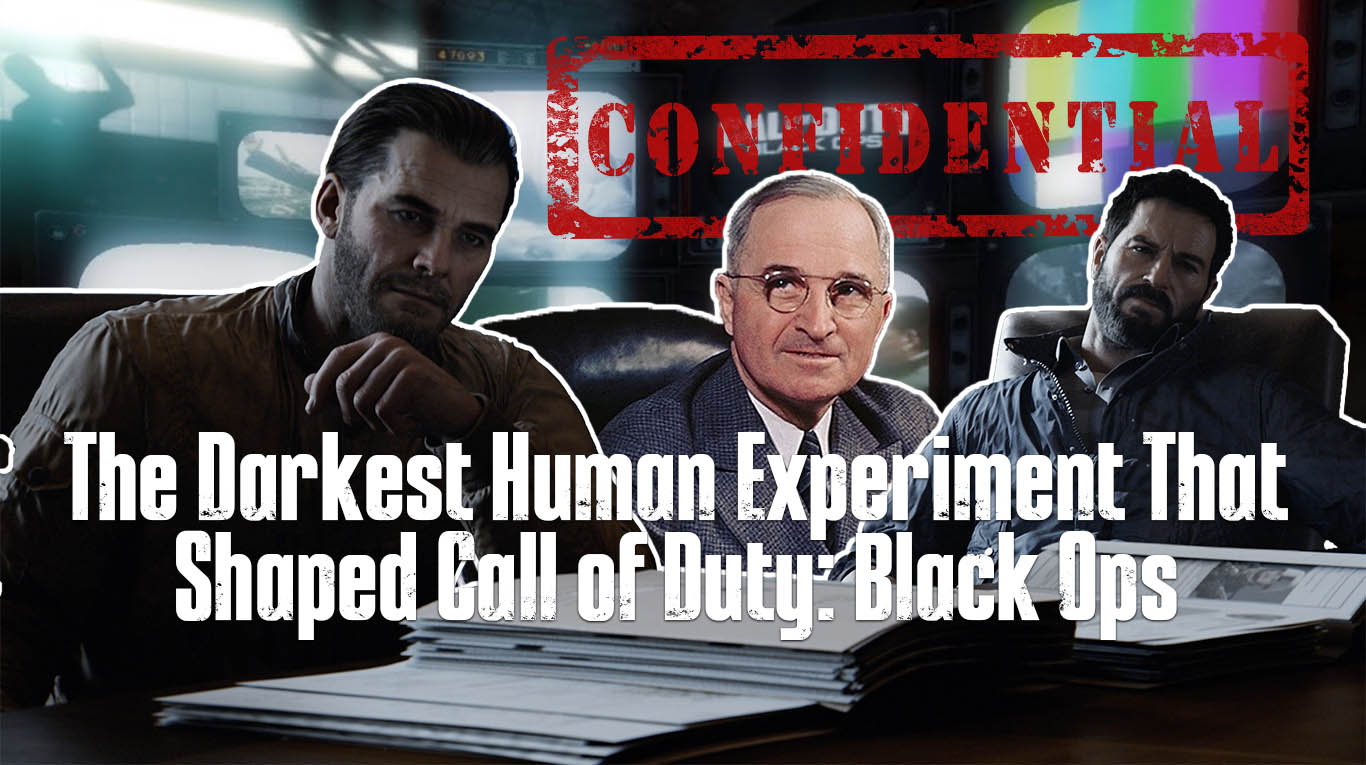
The true nature of MK-Ultra, a CIA program launched during the Cold War that was greenlit by president Truman, is one of the most unsettling government initiatives in modern history. Officially started in the early 1950s, the program’s purpose was to develop mind control techniques that could be used against enemies, particularly Soviet forces. The methods were extremely unethical and involved drugging, hypnotizing, and subjecting individuals to extreme psychological and physical trauma without their consent. The full extent of MK-Ultra only came to light in the 1970s after the program was officially shut down, when congressional hearings revealed the horrifying experiments conducted by the CIA on unwitting subjects.
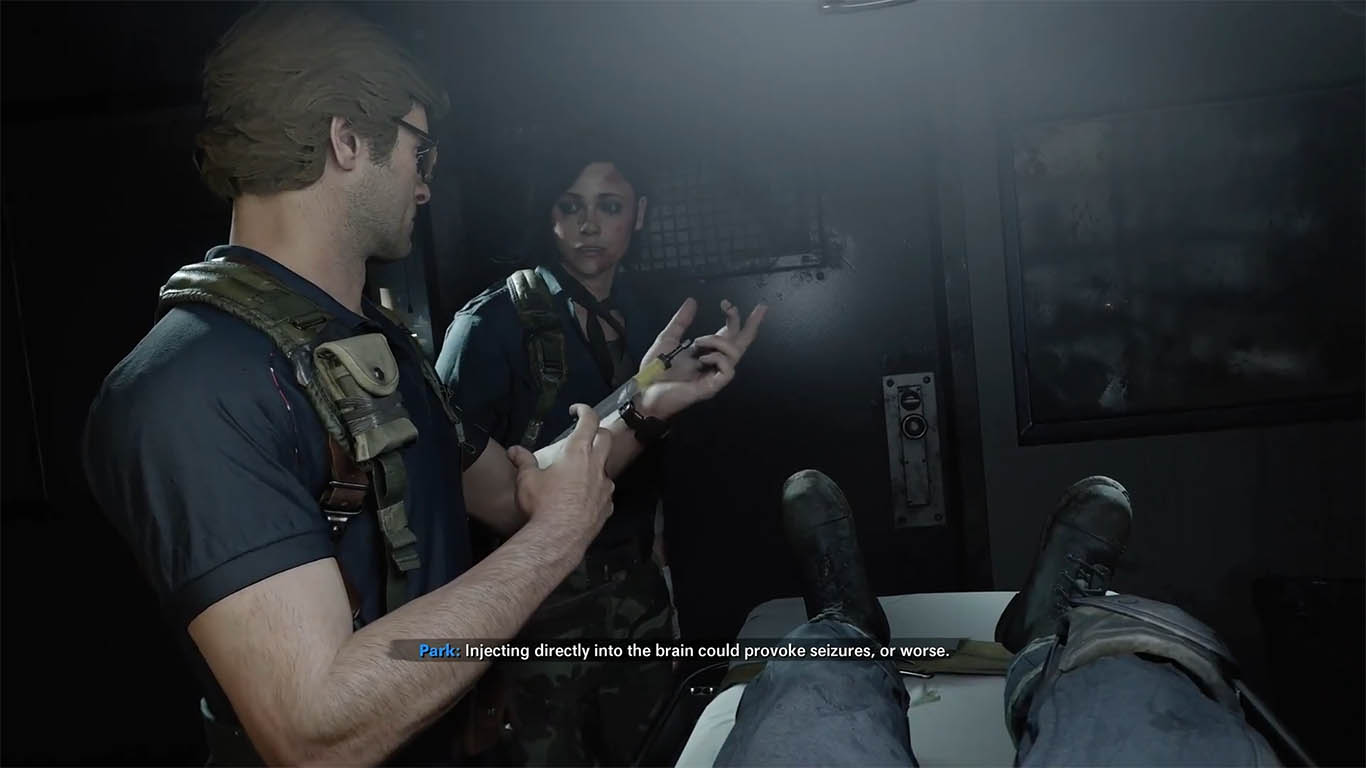
Key to MK-Ultra was the use of LSD, sensory deprivation, and psychological manipulation, all meant to test how far the human mind could be bent to the will of outside forces. Many victims were patients in psychiatric hospitals, prisoners, or other vulnerable individuals, chosen for their inability to resist or question what was being done to them. The idea was to create a “perfect” form of interrogation, even mind control, that could be used to create sleeper agents or break down the will of captured soldiers.
This dark chapter in history inspired many works of fiction, and one of the most notable examples in gaming is the Call of Duty: Black Ops series, particularly the original Black Ops campaign. As this series tends to go beyond by trying out new stuff and more.
How Call of Duty: Black Ops Drew Inspiration from MK-Ultra
Call of Duty: Black Ops (2010) doesn’t just tell the story of a soldier in the Vietnam War; it immerses players in a psychological thriller. The protagonist, Alex Mason, is subjected to brainwashing, false memories, and repressed trauma—directly mirroring techniques from the MK-Ultra program.
In the campaign, Mason’s mind is manipulated using a series of covert techniques that bear striking similarities to MK-Ultra’s methods. His captors attempt to implant commands through subliminal messages and mind control, trying to force him to carry out assassinations and other operations. This is particularly evident in sequences where Mason is haunted by the number “Dragovich,” a trigger word meant to activate his subconscious programming.
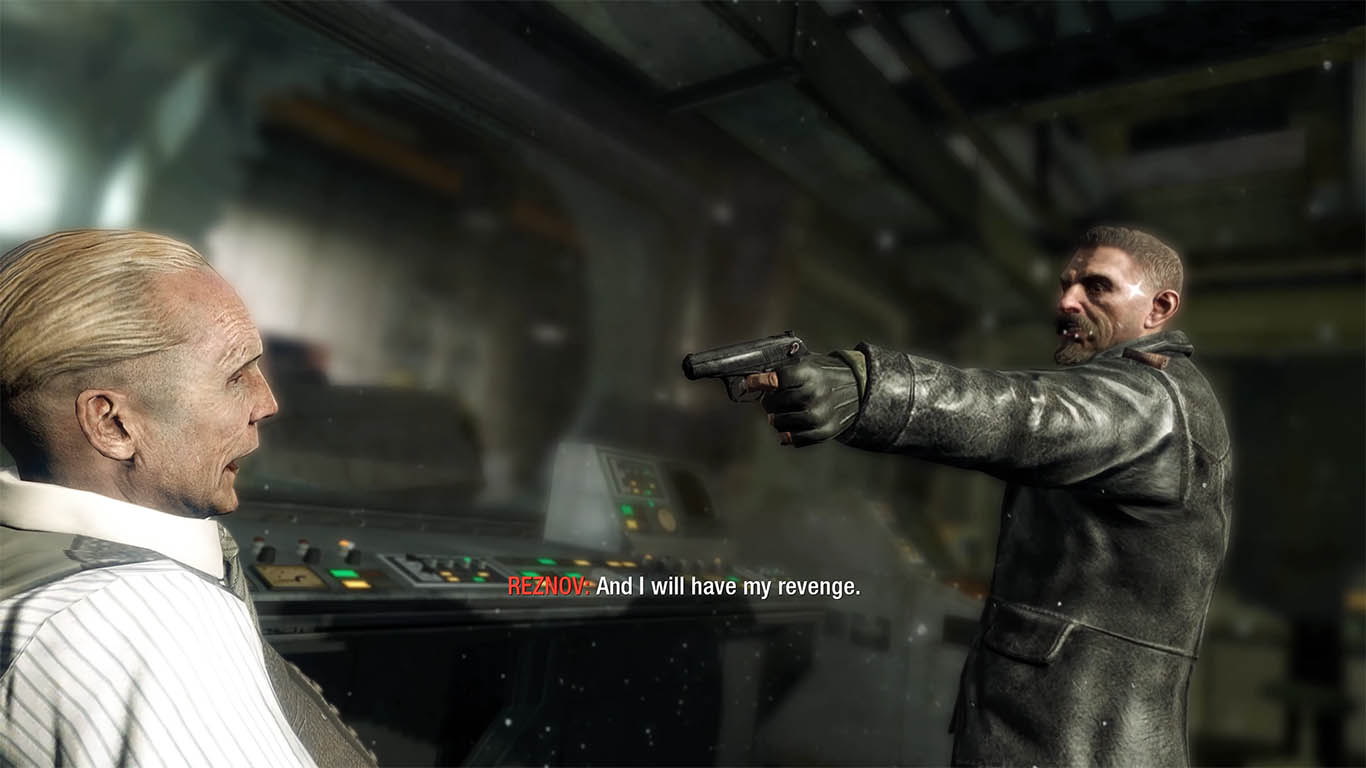
The use of psychological dissonance and memory manipulation in Black Ops adds layers of complexity to the narrative, making it far more than a typical military shooter. The fragmented nature of Mason’s memory, as he struggles to piece together reality from implanted falsehoods, creates a haunting atmosphere that leaves players questioning what is real.
What makes Black Ops so impactful and memorable is not just the gameplay but the way it cleverly taps into the fear and paranoia surrounding real-world events. MK-Ultra’s secrecy, its abuse of power, and its moral and ethical violations give the campaign’s story an eerie realism. By blending these real-life horrors with a fictional tale of espionage, Black Ops taps into deep-seated cultural fears, especially regarding the loss of autonomy and the terrifying potential of psychological control.
The Lasting Impact
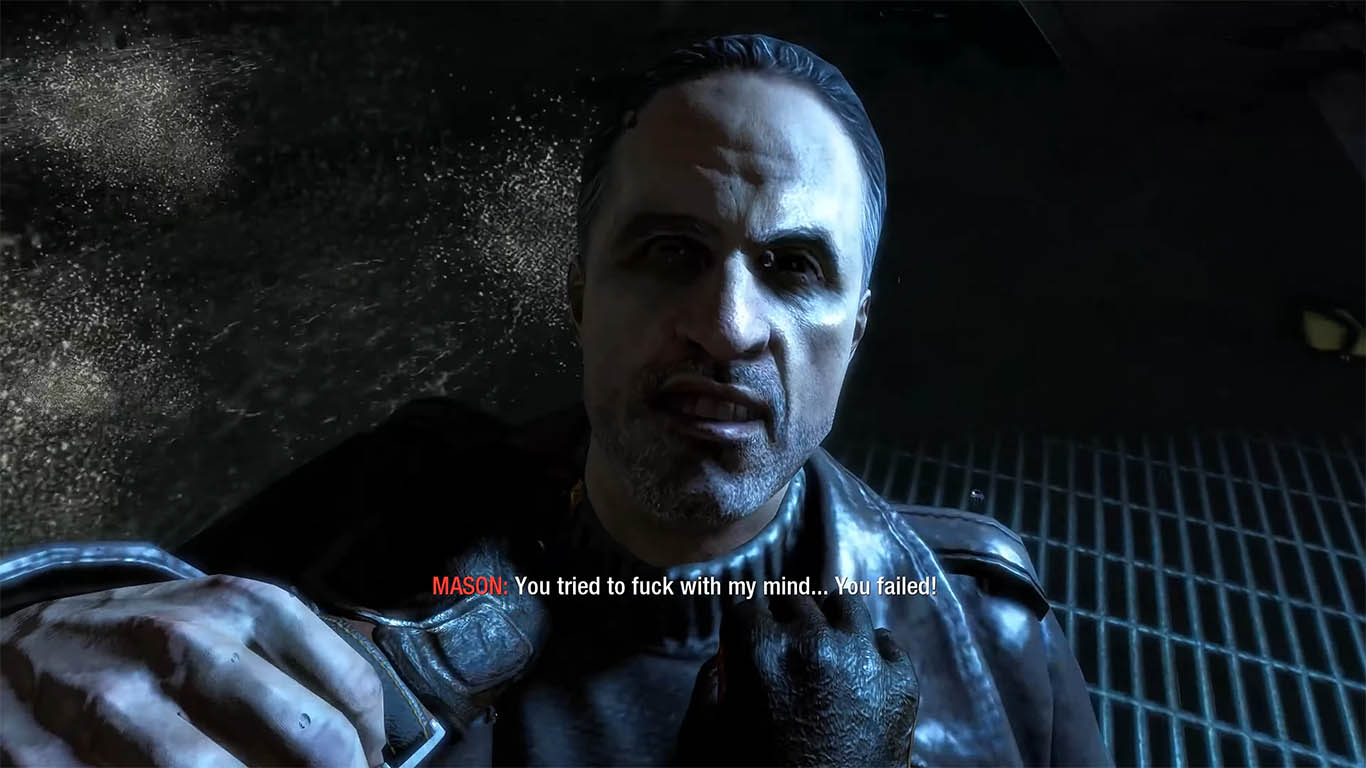
The portrayal of mind control and psychological manipulation in Call of Duty: Black Ops left a lasting impression on players. The game became more than just a fast-paced action experience; it became a reflection of Cold War-era anxieties. Just like MK-Ultra, the story of Alex Mason is shrouded in confusion, hidden motives, and an unsettling uncertainty about the line between reality and programming.
This fusion of history and fiction is a major reason why Black Ops stands out within the franchise. By intertwining a real covert government operation with a compelling narrative about memory, trauma, and control, the campaign challenges players to think beyond the battlefield. It also opens up a conversation about the real cost of power when governments are willing to go to extreme lengths in the name of security and dominance.
In conclusion, the MK-Ultra program’s insidious nature left an indelible mark on the cultural consciousness, and Call of Duty: Black Ops leveraged that legacy to craft one of the most gripping and memorable narratives in gaming. By drawing from real-life events, it delivers a compelling story that resonates long after the credits roll, reminding players of the fine line between fiction and the dark truths of history.