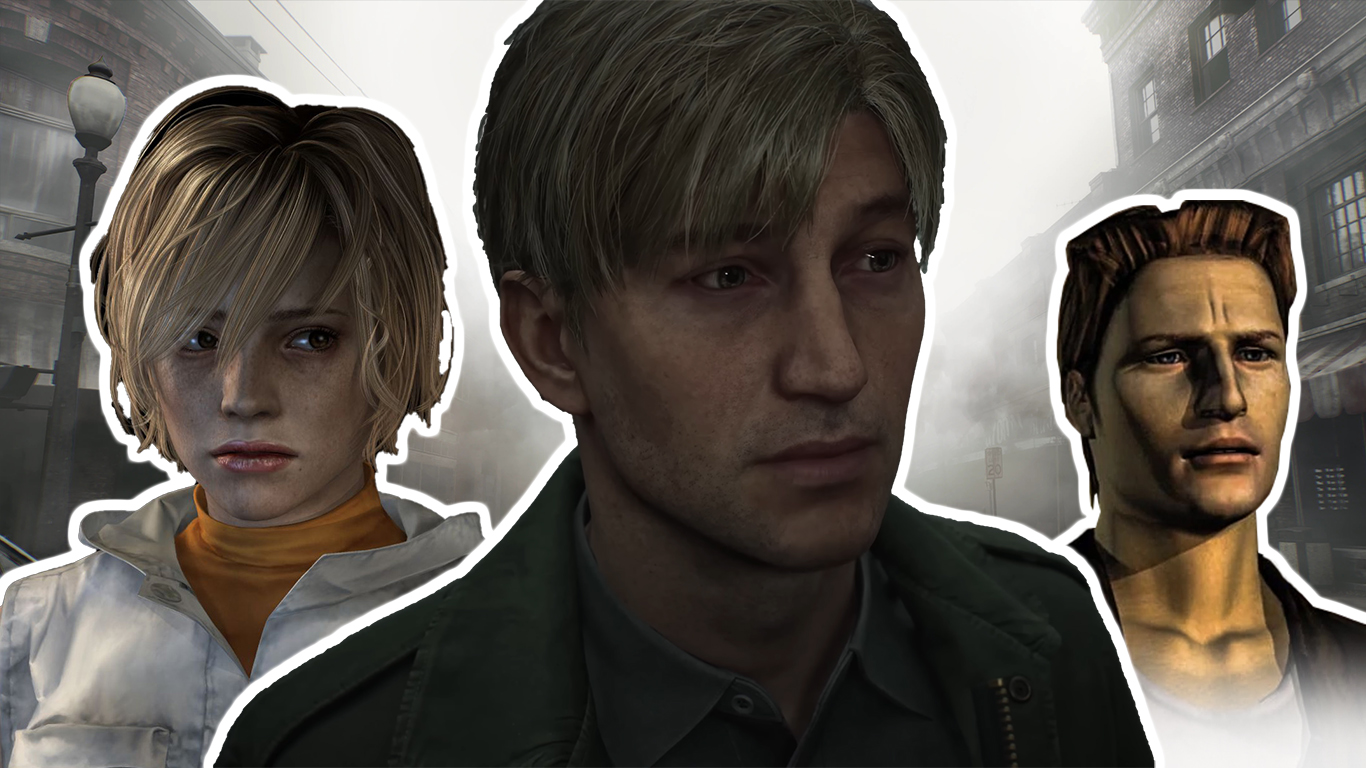
With the recent release of the Silent Hill 2 Remake, the iconic franchise is back in the spotlight, attracting both new players and long-time fans. As many dive into this remake as their first entry into the series, questions arise about the necessity of playing previous titles. How are the games interconnected, and do prior experiences enhance the understanding of Silent Hill 2? Here at DazePuzzle, we’ve compiled a comprehensive guide to explore the relationships between the various entries in this chilling series.
1. Silent Hill (1999)
The original Silent Hill follows Harry Mason, who searches for his adopted daughter, Cheryl, in the eerie town of Silent Hill. As he delves deeper, he encounters terrifying creatures and a cult tied to the town’s dark history. The story explores themes of grief and loss, setting the stage for the psychological horror that characterizes the series.
2. Silent Hill 2 (2001)
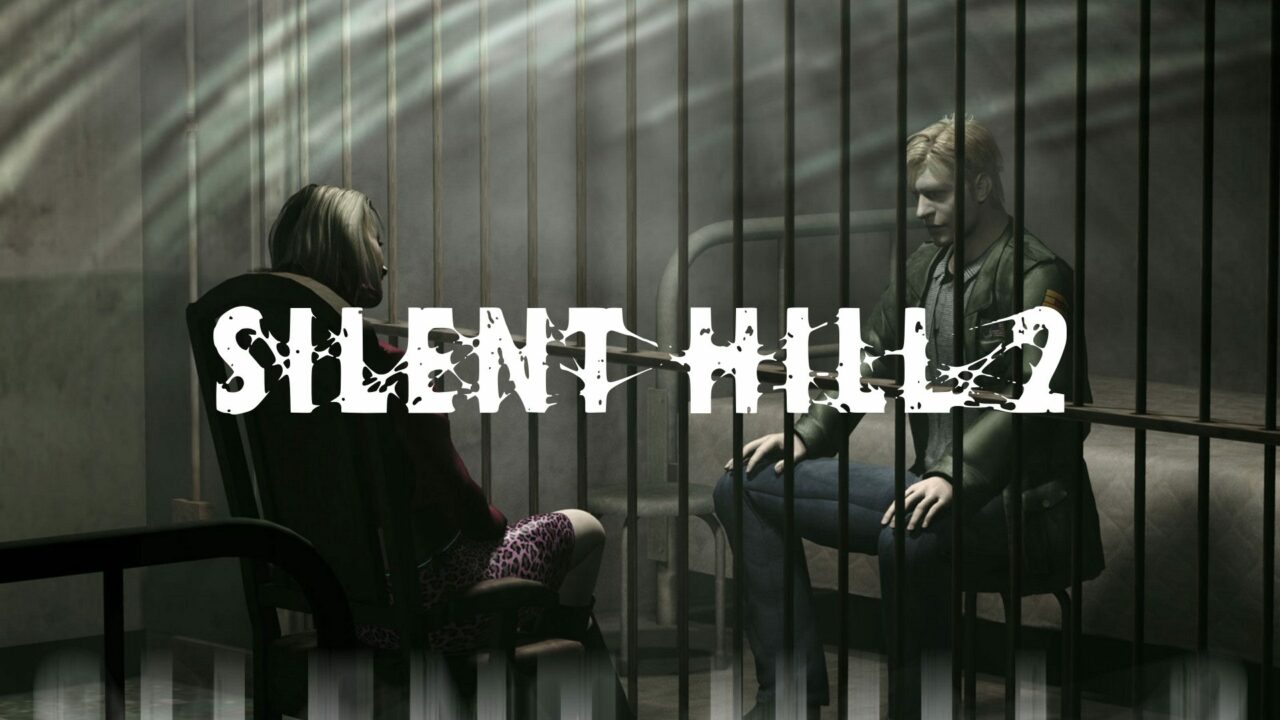
In this game, players take on the role of James Sunderland, who receives a letter from his deceased wife, Mary, beckoning him to Silent Hill. As James explores the town, he confronts manifestations of his guilt and repressed memories. The game’s narrative is rich with symbolism, making it a psychological journey where players must decipher James’s past and the reasons behind his visit.
3. Silent Hill 3 (2003)
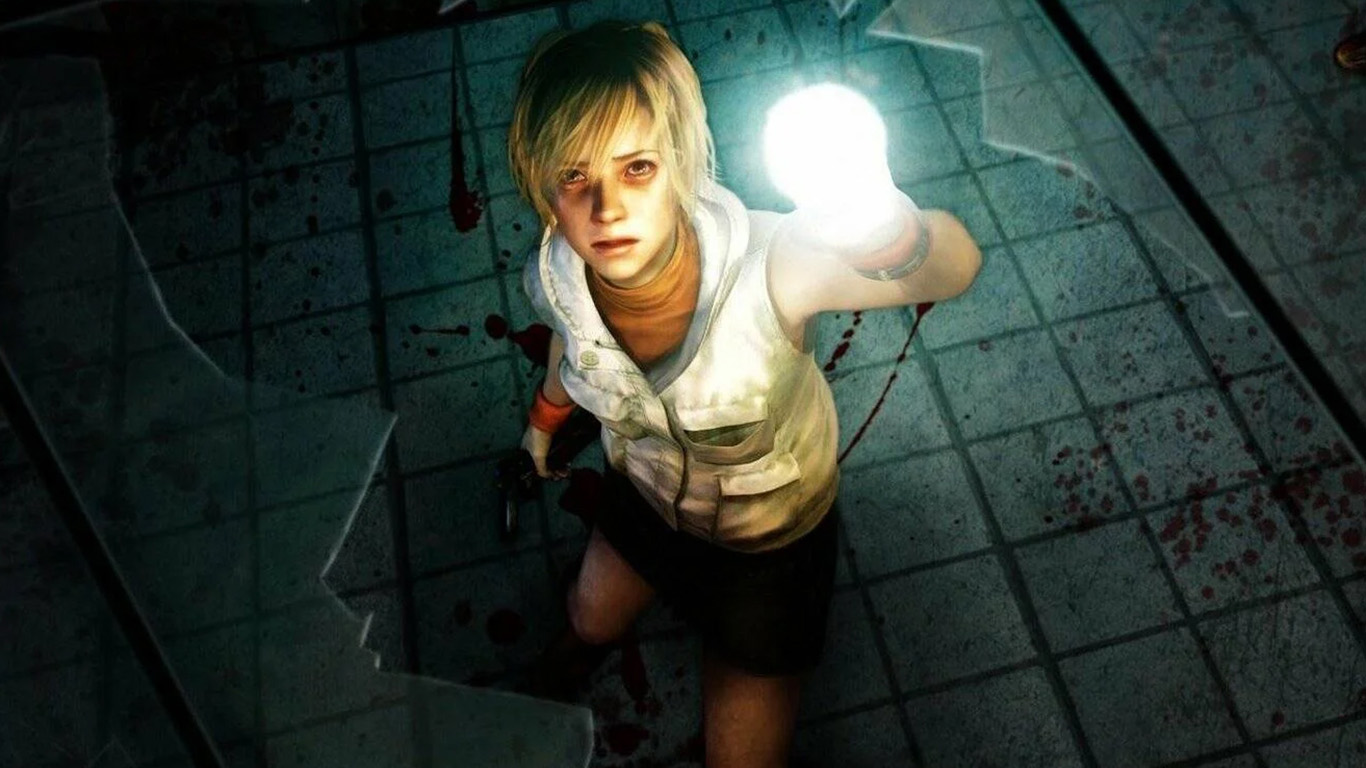
Silent Hill 3 acts as a direct sequel to the first game, centering on Heather Mason, the reincarnation of Cheryl. After a series of bizarre occurrences, she discovers her true identity and the dark forces behind her past. This installment connects deeply to Silent Hill through its characters and the overarching theme of confronting one’s past. Heather’s journey intertwines with the cult’s influence, as she fights against the horrors that seek to control her.
4. Silent Hill 4: The Room (2004)
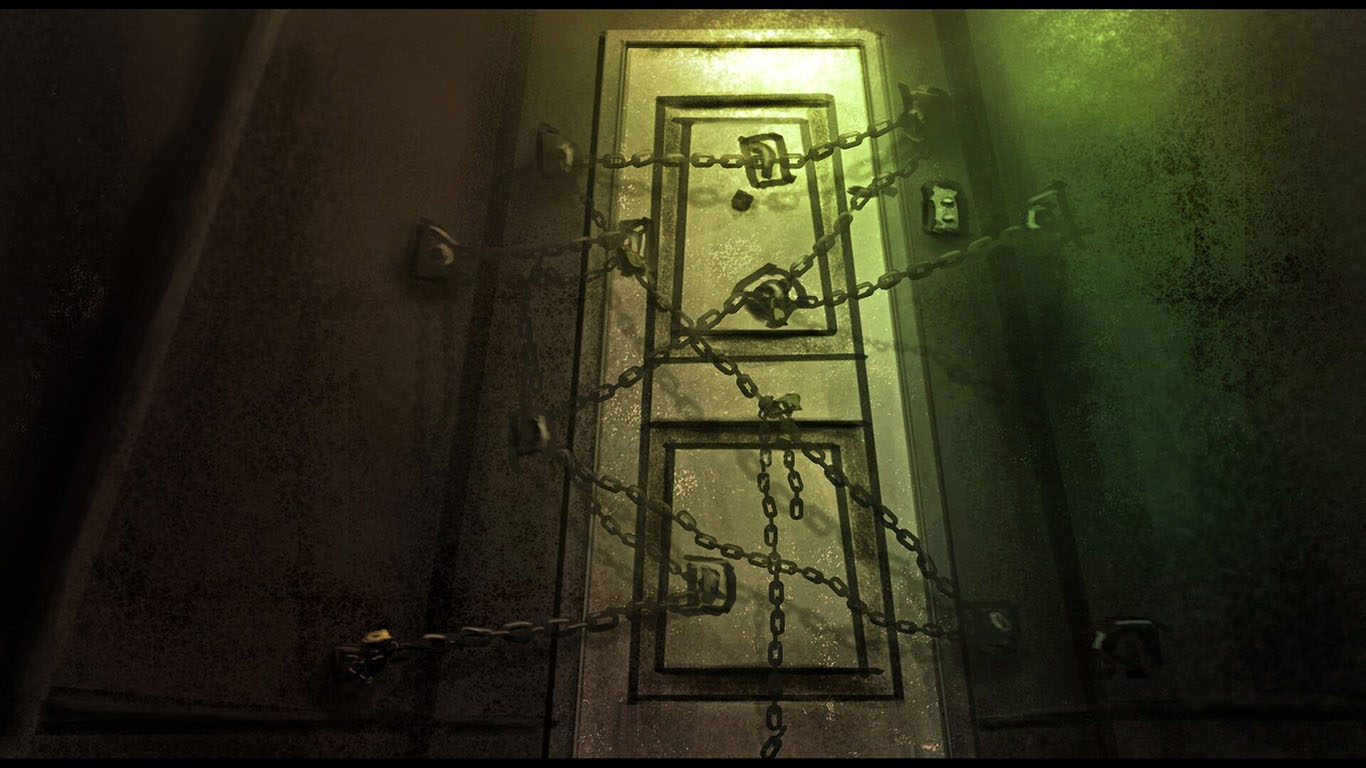
This game introduces Henry Townshend, who finds himself trapped in his apartment, haunted by supernatural occurrences. The narrative deviates from the previous titles, focusing on Henry’s attempts to escape his room and the disturbing realities within. While it contains references to earlier games, its story is largely standalone, exploring themes of isolation and the blurred lines between reality and nightmare.
5. Silent Hill: Origins (2007)
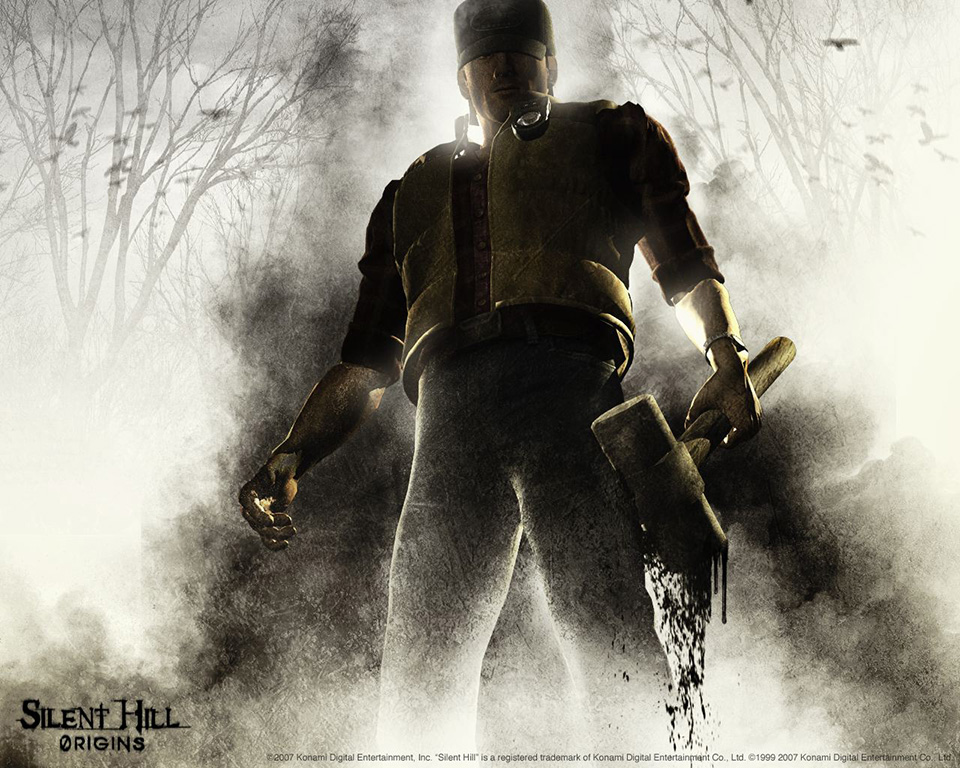
A prequel to the original game, Origins delves into the backstory of Silent Hill and its dark secrets. Players control Travis O Grady, who becomes entangled in the town’s mysteries while uncovering connections to the events of the first game.
6. Silent Hill: Homecoming (2008)
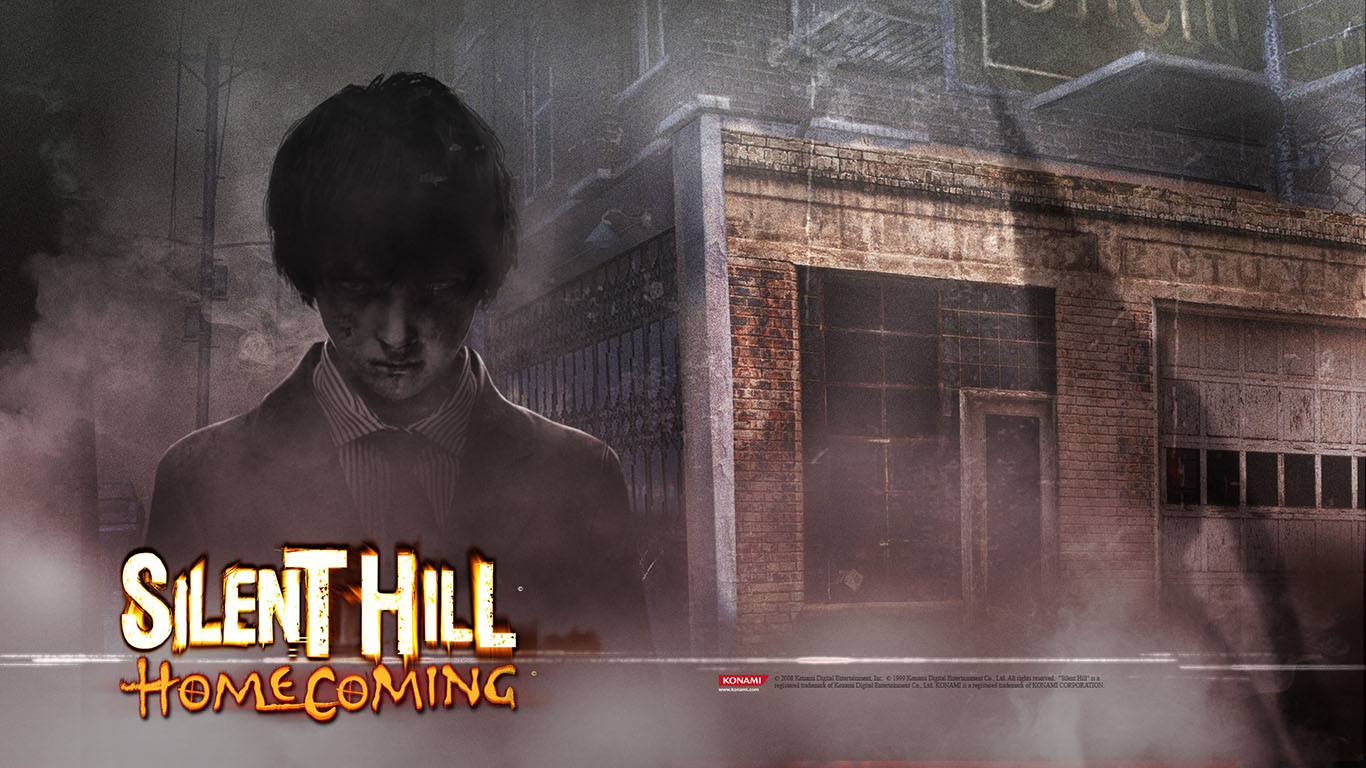
Homecoming follows Alex Shepherd, a soldier returning to Silent Hill to uncover the mystery behind his brother’s disappearance. The game connects to the original titles through its exploration of family and guilt. Players confront various horrors while unraveling the town’s dark past, including cult influences and psychological struggles. Although it stands on its own, its connections to the lore add depth to Alex’s journey.
7. Silent Hill: Shattered Memories (2009)
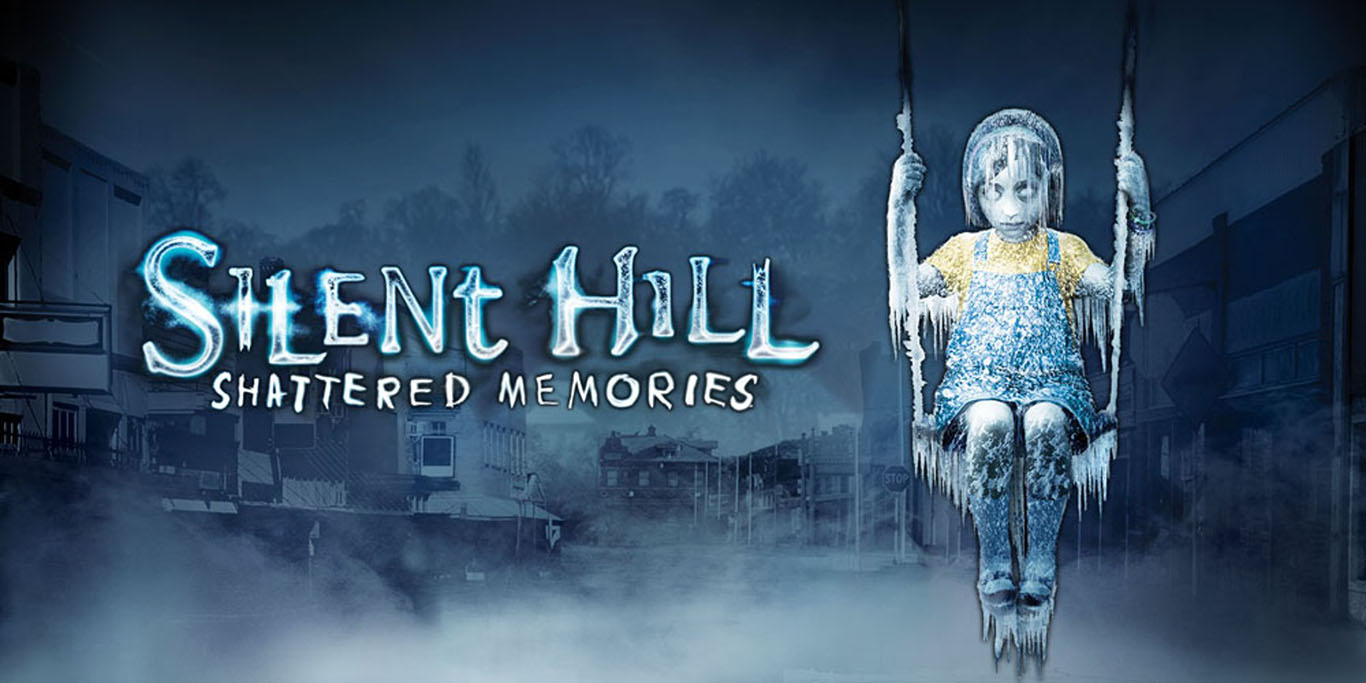
This reimagining of the first game offers an alternative storyline, emphasizing psychological themes and character development. While it features familiar characters, it presents a different narrative path, allowing for exploration of what could have been.
8. Silent Hill: Downpour (2012)
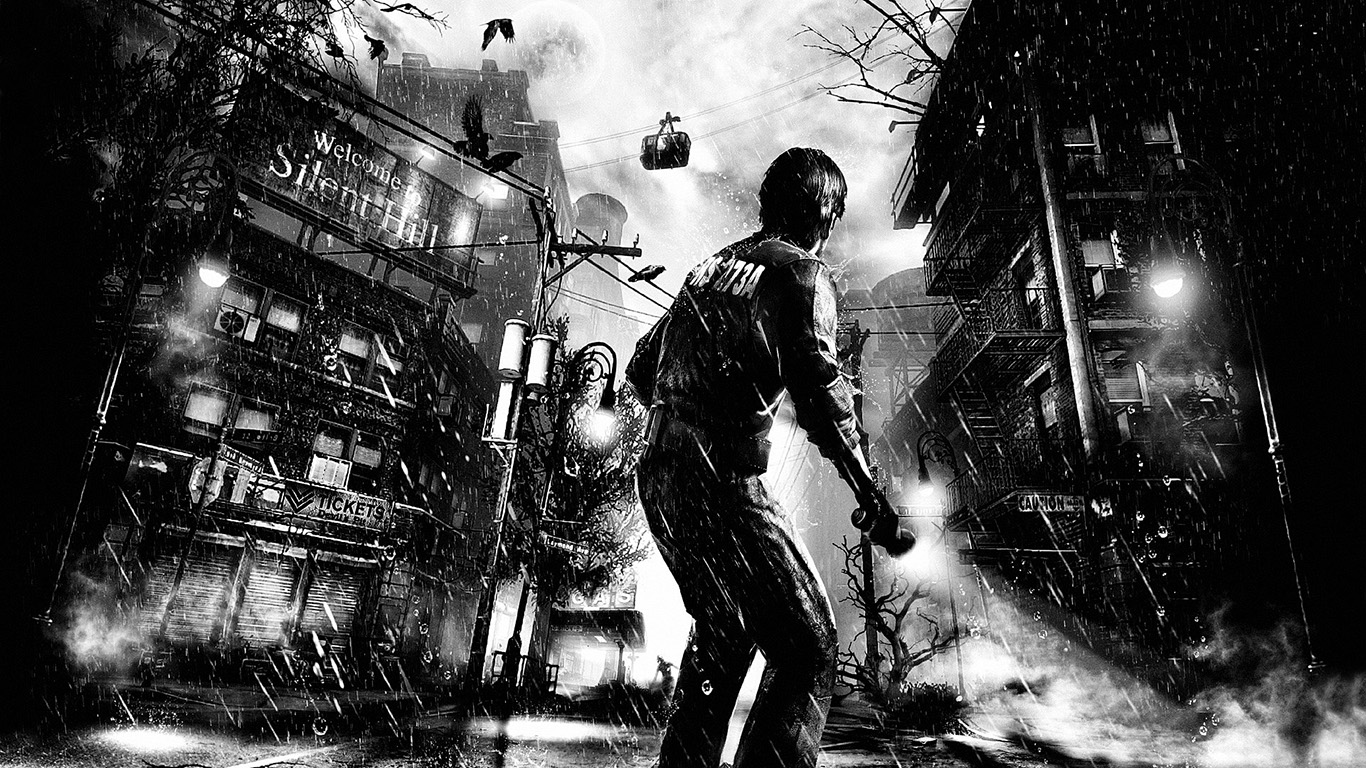
In Downpour, players control Murphy Pendleton, a convict who finds himself in Silent Hill after a prison transport accident. This game shifts focus, emphasizing themes of redemption and personal demons. While loosely connected to the series, it incorporates elements from previous games, such as the town’s haunting nature and the psychological turmoil experienced by its inhabitants.
9. Silent Hill: Book of Memories (2012)
A spin-off that strays from the series’ narrative, this game features a unique multiplayer experience where players navigate through a dungeon-like environment. It diverges significantly from the core themes and stories of the main series, focusing more on gameplay than plot continuity, making it largely standalone.
10. Silent Hill: P.T. (2014)

Originally intended as a reboot, P.T. is an interactive horror experience that focuses on psychological tension. It features a first-person perspective, immersing players in a looping corridor filled with supernatural occurrences. Although not tied to the main series, it became a hallmark for its innovative approach to horror and storytelling.
The Silent Hill series weaves complex narratives that interconnect characters and themes throughout its games. While some titles stand alone, others enrich the overarching lore, inviting players to explore the psychological depths and horror of Silent Hill. For newcomers and veterans alike, understanding these relationships enhances the chilling experience of this iconic franchise.