

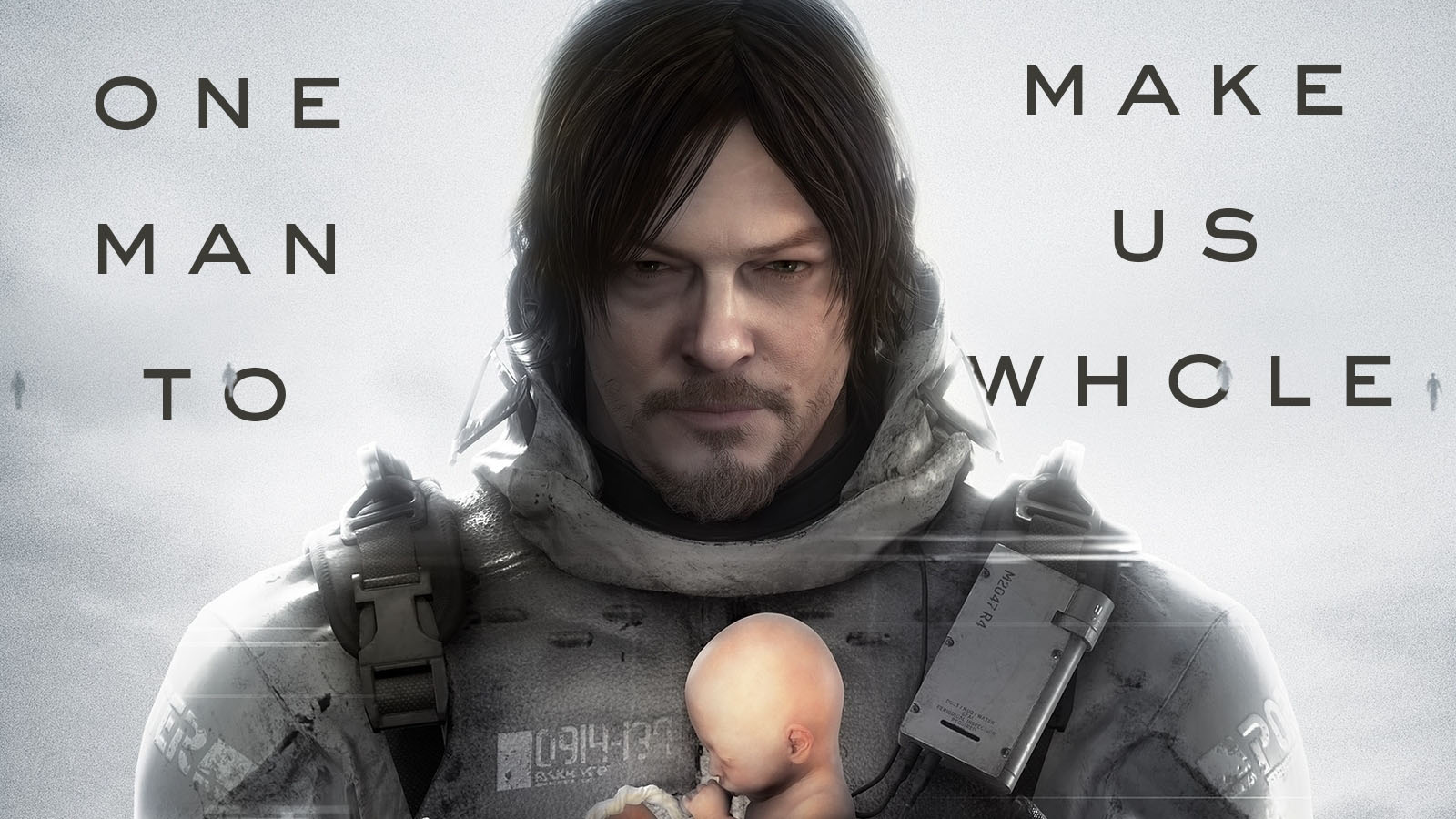
When Death Stranding was released in late 2019, few could have anticipated its profound relevance in the face of the global pandemic that followed just months later. Created by Hideo Kojima, this unconventional title not only redefined the action-adventure genre but also served as a poignant commentary on social isolation, connection, and the human experience in times of crisis. The game’s narrative, mechanics, and themes mirror the struggles and responses that many faced during the COVID-19 pandemic, making it a compelling exploration of modern society.
A World Apart
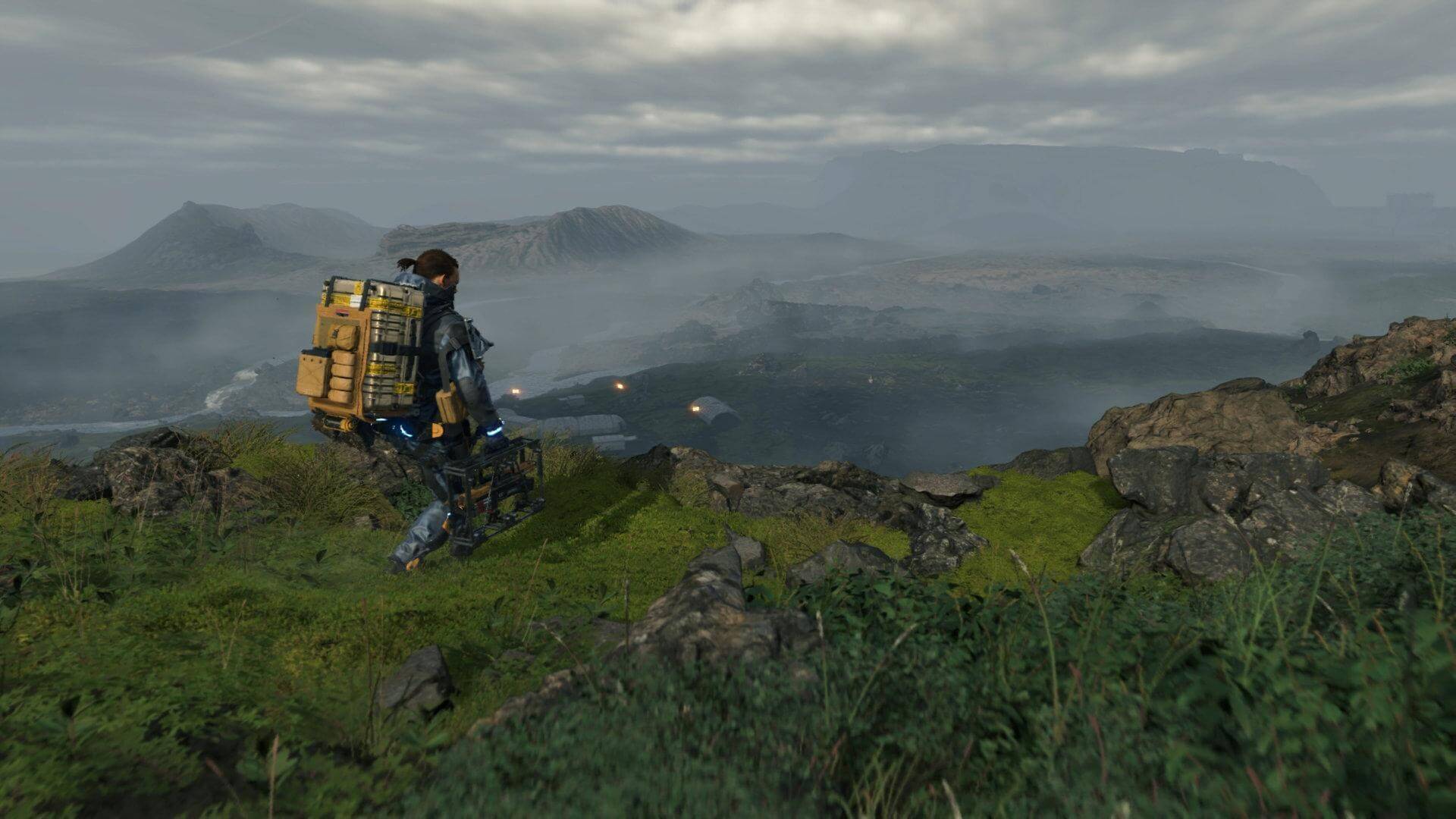
Set in a post-apocalyptic America, Death Stranding portrays a world fragmented by a mysterious phenomenon that has severed human connections. As players traverse a desolate landscape, they take on the role of Sam Porter Bridges, a delivery man tasked with reconnecting isolated communities. This core gameplay mechanic of traversing vast distances to deliver supplies is a metaphor for the effort required to maintain relationships in a world marked by division and loneliness.
The game emphasizes the importance of connection—both physical and emotional—highlighting how vital these bonds are for survival. In an age increasingly dominated by digital communication, Death Stranding reflects the yearning for authentic human interaction, a sentiment that resonated deeply as society grappled with isolation during lockdowns. Something we can actually feel with during our daily lives, as we’re not required to do most of our tasks in person and can easily depend on our digital devices to do them for us.
Predicting Pandemic Reactions
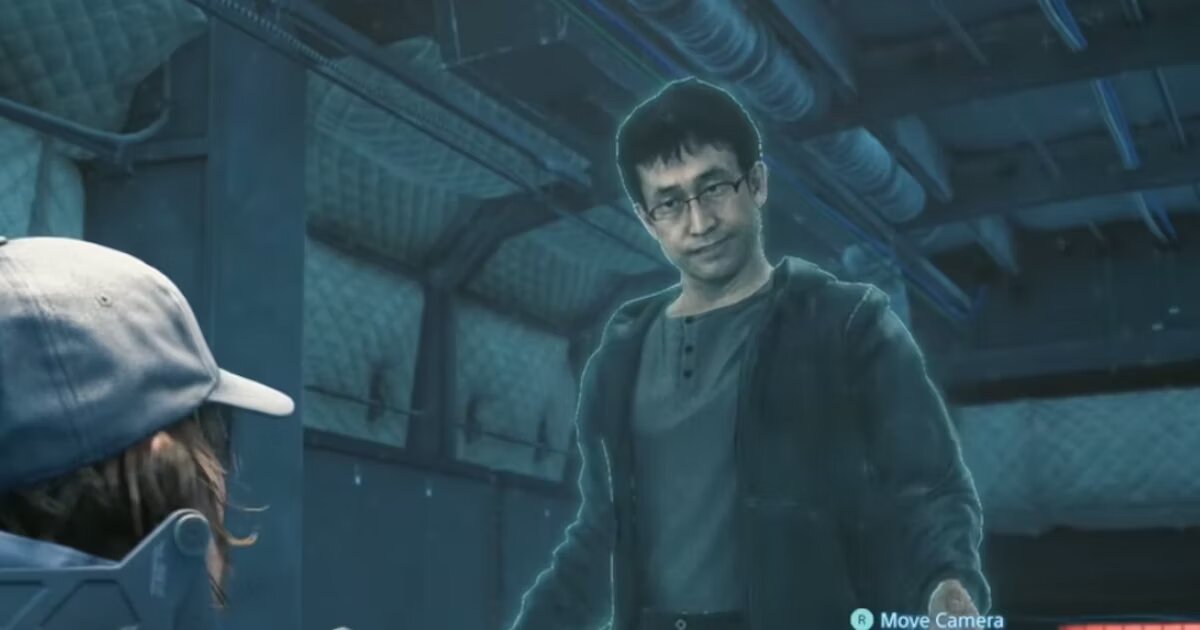
The parallels between Death Stranding and the COVID-19 pandemic are striking. Kojima’s narrative addresses themes of fear, anxiety, and the impact of isolation, mirroring the widespread feelings experienced by people worldwide as they faced lockdowns and social distancing. The game presents a world where characters are afraid to leave their homes, reminiscent of the real-life struggles faced by individuals during the pandemic. interesting thing is Kojima himself admitted after going through the pandemic and with the experiences he had, he started writing the sequel again from the scratch.
Moreover, the game’s mechanics—such as delivering supplies and maintaining safe distances—echo the behaviors adopted during COVID-19. Players must navigate treacherous terrains while managing resources and avoiding hostile entities, mirroring the challenges people faced in securing necessities while adhering to safety protocols. This unique gameplay experience became a reflection of the daily realities of navigating a world changed by a pandemic.
The Power of Connection
One of the most eye-catching aspects of Death Stranding is its exploration of connection through shared experiences. The game encourages players to leave behind resources and structures that can aid others, fostering a sense of community despite physical separation. This element of cooperative gameplay highlights the importance of helping one another, especially in times of crisis.
During the COVID-19 pandemic, many found solace in acts of kindness, whether through virtual gatherings, sharing resources, or supporting local communities. Death Stranding captured this essence, portraying a world where, despite overwhelming challenges, individuals can contribute positively to the lives of others, reinforcing the notion that human connection is a powerful force.

Mental Health and Isolation
Death Stranding also delves into the psychological effects of isolation, emphasizing mental health issues that can arise from being cut off from others. Characters in the game grapple with their own fears and traumas, representing the mental struggles many faced during prolonged periods of isolation. As the pandemic exacerbated feelings of anxiety, depression, and loneliness for countless individuals, the game’s exploration of these themes became eerily relevant.
The inclusion of “BBs” (Bridge Babies) in the game serves as a metaphor for the emotional burdens individuals carry. Players form bonds with these characters, paralleling the need for companionship and support in difficult times. This connection reflects the reality that, during the pandemic, many sought ways to find comfort and meaning in their relationships, whether through virtual connections or by nurturing pets and loved ones.
A Lasting Impact
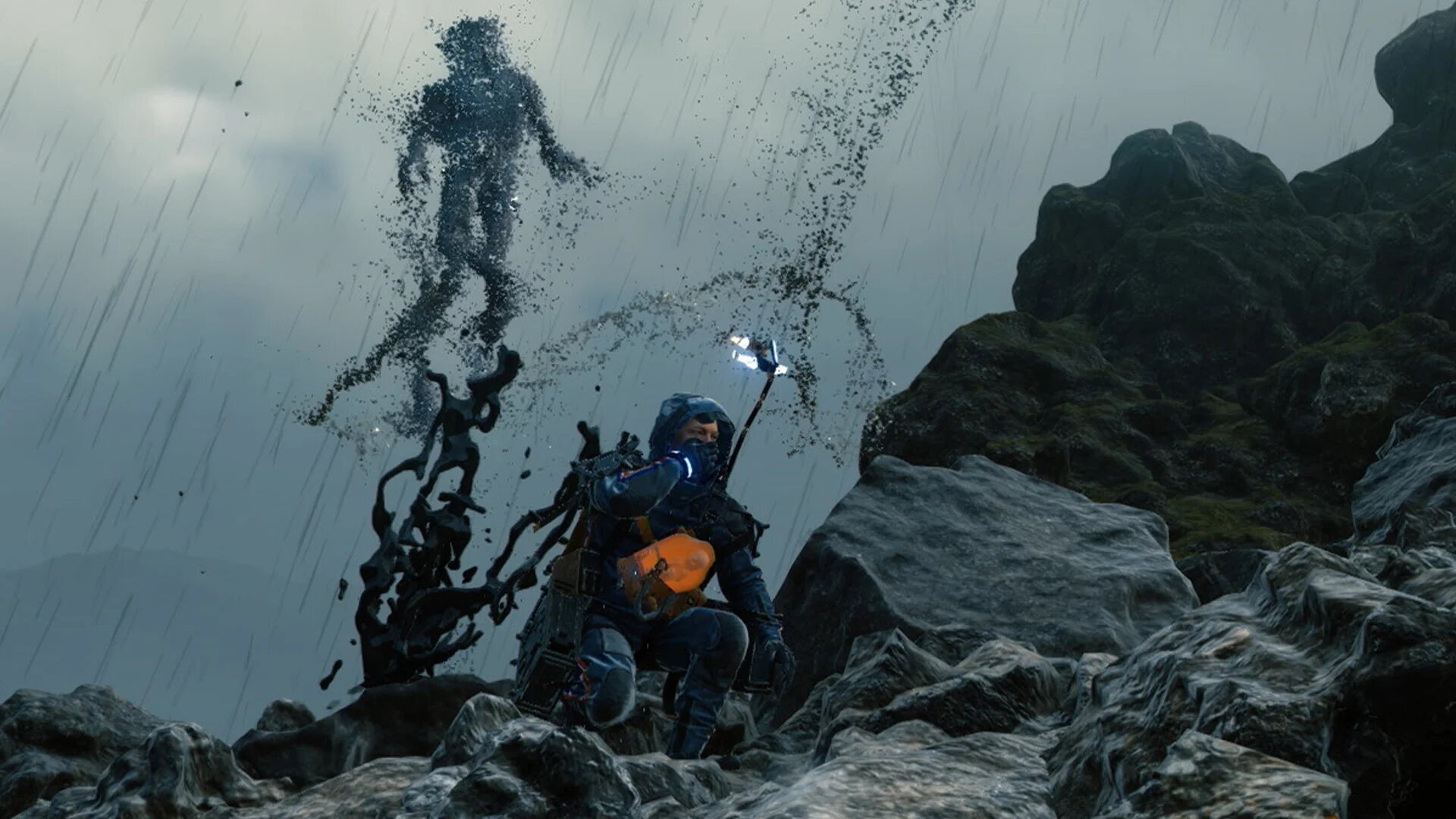
Ultimately, Death Stranding serves as more than just a game; it is a profound commentary on the human experience in the face of adversity. Kojima’s vision anticipated the social changes and emotional struggles that would unfold during the COVID-19 pandemic, making it a significant cultural artifact. By exploring themes of isolation, connection, and the importance of community, the game resonates with players on a personal level, prompting reflection on their own experiences during these challenging times.
As we move forward in a post-pandemic world, Death Stranding stands as a reminder of the resilience of the human spirit and the enduring need for connection. In a landscape forever altered by the events of 2020 and beyond, the game encourages us to bridge the gaps that separate us, fostering understanding and compassion in a world that sometimes feels divided. Through its unique narrative and gameplay, Death Stranding not only entertained but also offered a vital reflection on the complexities of the human condition in the face of isolation.