

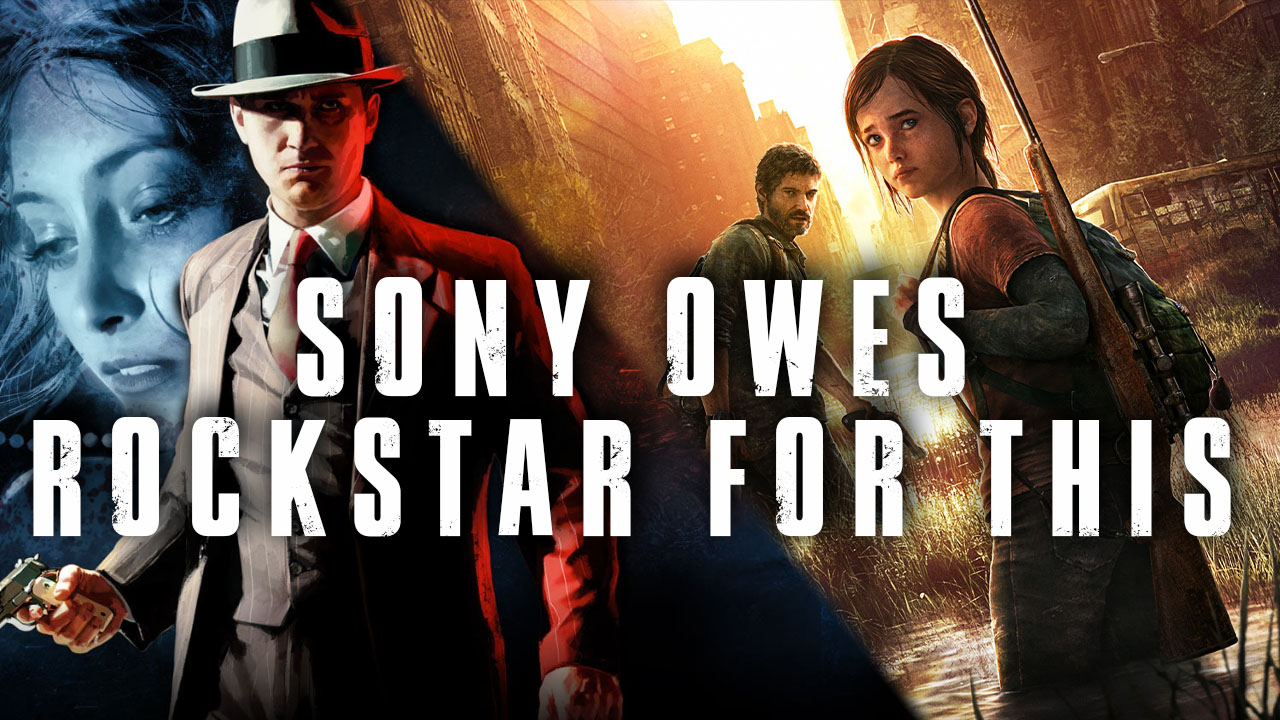
L.A. Noire, developed by Team Bondi and published by Rockstar Games in 2011, was a groundbreaking title that redefined video game storytelling and acting, thanks to its innovative facial capture technology. Set in the 1940s, the game immersed players in the world of detective Cole Phelps as he solved intricate cases, but what truly set L.A. Noire apart wasn’t just its period-accurate world or its gripping narrative—it was the revolutionary facial capture system known as MotionScan. This technology forever changed how video game acting was perceived and created a lasting impact on the industry, influencing major games like The Last of Us in the process.
The Rise of Motion Capture in Games
Before L.A. Noire, motion capture (mocap) had already made its mark on video games, with Half-Life 2 introducing it during the its tech reveal and Heavenly Sword utilizing it to enhance facial animations. However, the facial mocap at the time involved placing a few markers on the actors’ faces to capture general expressions. While it added a degree of realism, these methods were still relatively crude, lacking the subtleties that could bring characters to life in a more meaningful way.
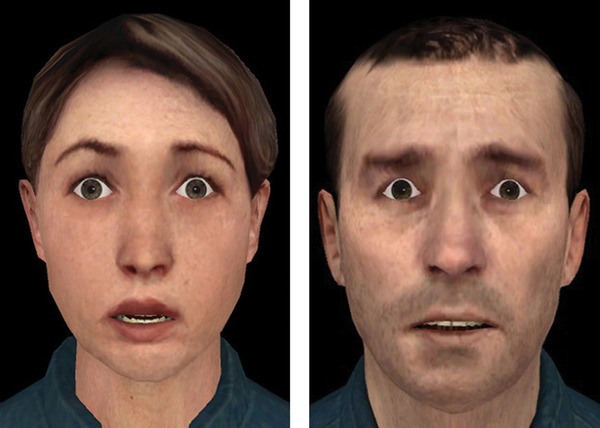
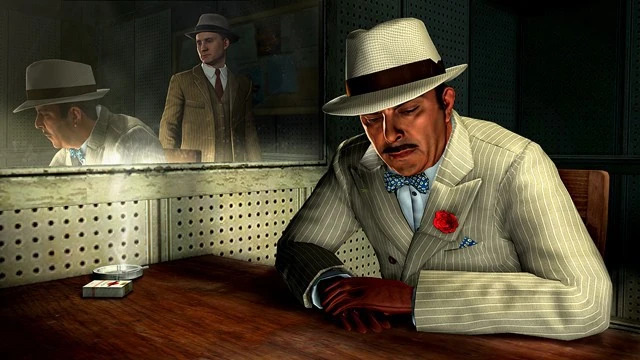
In L.A. Noire, facial expressions weren’t just cosmetic—they were core to gameplay. Players were tasked with interrogating suspects and reading their faces to determine whether they were telling the truth or lying. The solution was MotionScan, a cutting-edge technology that captured the most detailed and lifelike facial performances in gaming at the time.
The MotionScan Breakthrough
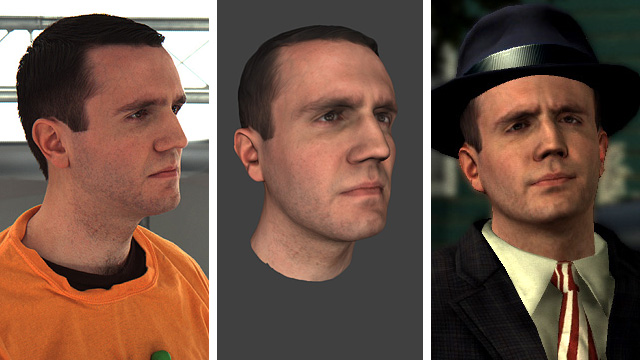
Team Bondi and Depth Analysis, the company behind MotionScan, developed a facial capture system that didn’t rely on markers or post-processing. Instead, MotionScan used 32 high-definition cameras arranged around an actor’s face to capture every nuance of their performance from multiple angles simultaneously. This allowed for incredibly detailed facial animations, including micro-expressions like twitches, raised eyebrows, or nervous glances—subtle movements crucial for a detective game where reading characters’ body language and expressions was integral to solving cases.
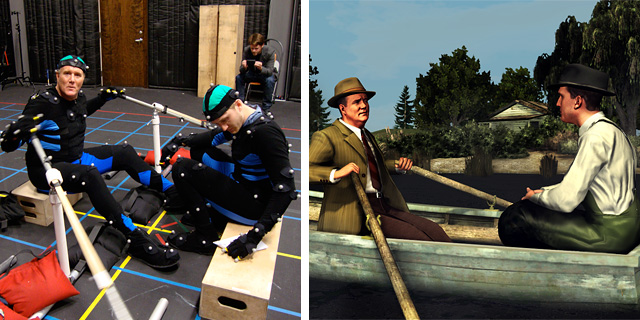
Actors performed their scenes in a specialized setup that recorded their faces in 3D at a level of detail previously unseen in games. While body movements were captured separately using traditional mocap techniques, the facial expressions were recorded with such fidelity that players could use visual cues to determine a suspect’s guilt or innocence. The impact of this on the gaming world was immediate, proving that video game acting could reach cinematic levels of nuance and emotion.
Challenges and Limitations
Despite its revolutionary capabilities, MotionScan had its limitations. One of the major drawbacks was that it only captured facial expressions and not the rest of the body, which led to some dissonance between the fluidity of the facial animations and the characters’ more rigid body movements. The process was also costly and time-consuming, which is likely why the technology didn’t become widespread in the gaming industry.
Another challenge was the immense amount of data generated by capturing such high levels of detail, which required extensive optimization to fit within the processing power of consoles at the time. Nevertheless, L.A. Noire proved that realistic acting in video games was possible and paved the way for more sophisticated performance capture techniques.
The Influence on The Last of Us and Beyond
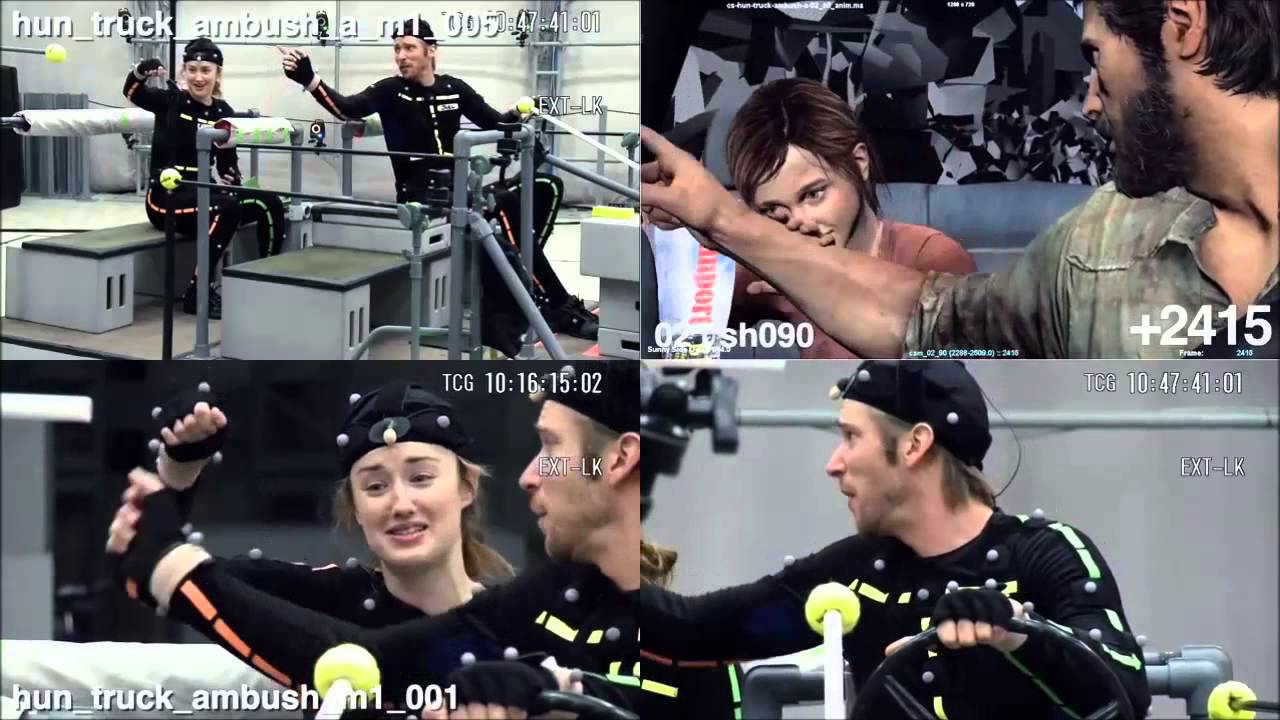
One of the games that benefitted from the innovations made by L.A. Noire was The Last of Us (2013), developed by Naughty Dog. While The Last of Us didn’t use MotionScan specifically, the success of L.A. Noire in blending cinematic acting with interactive gameplay had a significant influence on how studios approached character performances.
Naughty Dog had already been experimenting with motion capture for their Uncharted series, but L.A. Noire showed the industry the value of treating facial capture and acting with the same level of attention as a Hollywood film. This was particularly important for The Last of Us, which relied heavily on its emotional narrative and the complex relationship between Joel and Ellie. The game used an advanced form of performance capture that recorded both the actors’ body movements and facial expressions simultaneously, allowing for a seamless blend of acting that brought its characters to life.
Where L.A. Noire’s MotionScan focused on facial details, The Last of Us took a holistic approach by capturing the full range of performances—both body and face—within the same scene. This integration allowed for more natural, fluid performances that could convey the deep emotional weight of the story. The influence of L.A. Noire’s approach to facial realism and acting can be seen in the nuanced character animations in The Last of Us, especially in key emotional scenes where every glance and expression mattered.
How L.A. Noire Pushed the Industry Forward
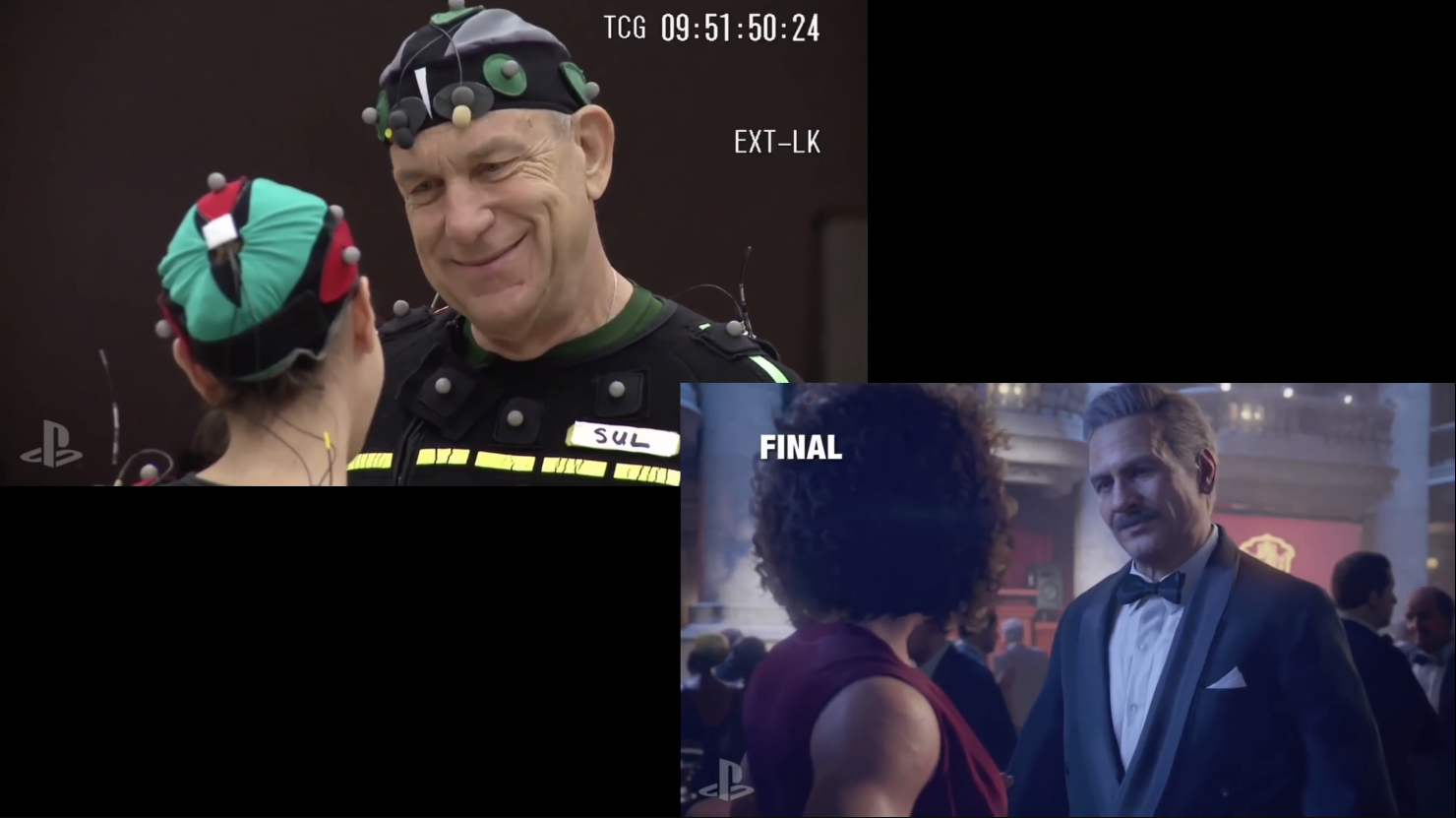
The success of L.A. Noire and its MotionScan technology set a precedent for future narrative-driven games. It proved that gaming could be a serious medium for acting, with performances that could rival those in film or TV. Games like The Last of Us and Detroit: Become Human built on the foundation that L.A. Noire laid, utilizing increasingly sophisticated performance capture techniques to push the boundaries of storytelling in gaming.
The Last of Us expanded on these techniques by creating a more integrated performance capture process, but it was L.A. Noire that proved just how important facial animation could be to creating an immersive narrative. By pushing for greater realism in character acting, L.A. Noire helped shape the future of video games as a medium where performance and technology meet to tell powerful, emotional stories.
A Milestone in Video Game Acting
L.A. Noire will always be remembered not just for its detective story or its atmospheric recreation of 1940s Los Angeles, but for its groundbreaking use of facial capture technology. It set a new standard for character performances in video games, proving that subtle acting could enhance gameplay and storytelling in ways never seen before. MotionScan’s detailed facial animations allowed players to interact with characters on a deeper level, laying the groundwork for future games like The Last of Us, where realistic acting became essential to the emotional impact of the narrative.
While MotionScan itself may not have become the industry standard, the influence of L.A. Noire is undeniable. It showed that video games could deliver performances just as complex and emotionally resonant as film, helping to elevate the medium to new artistic heights. As a result, L.A. Noire stands as a milestone in the evolution of video game acting, its impact still felt in today’s narrative-driven titles.