

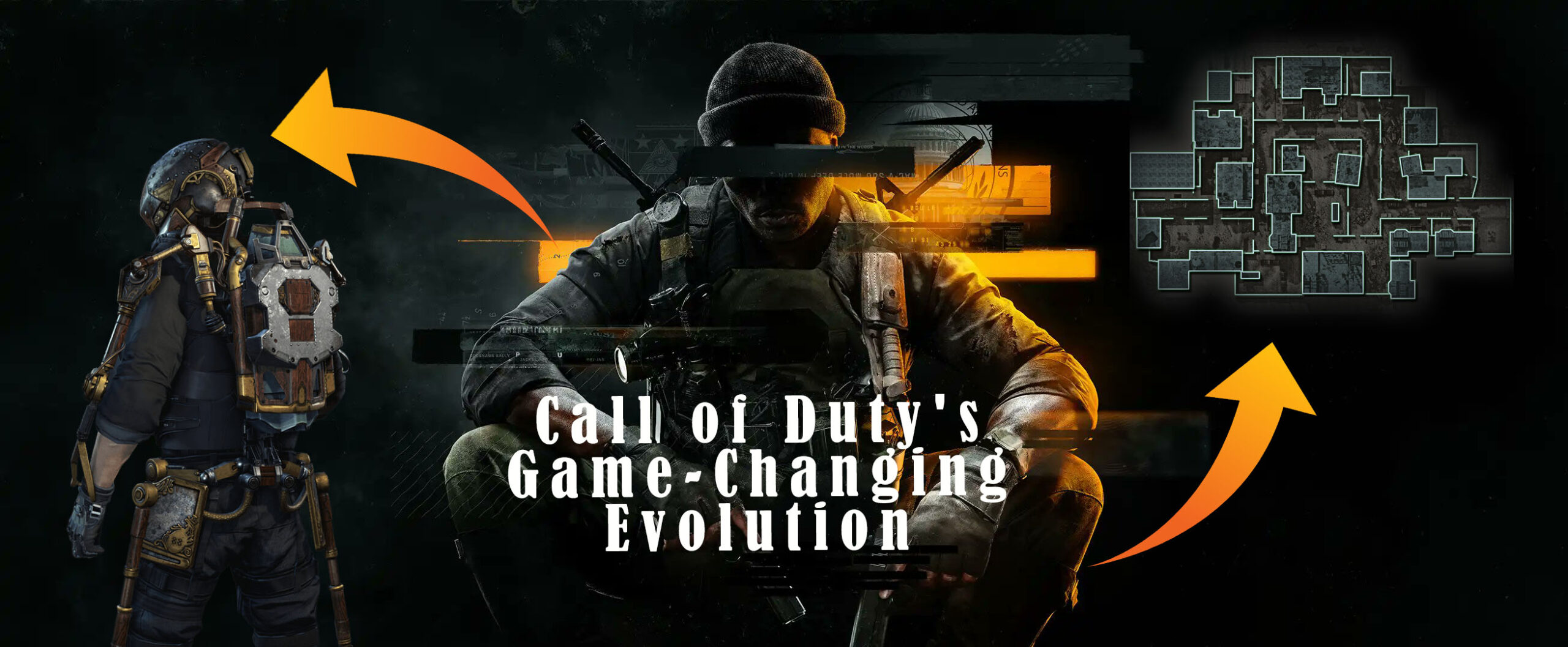
Among the many genres in gaming, few have had the staying power and popularity of first-person shooters (FPS). It all began with the iconic release of Doom in 1993, which set the stage for the genre’s explosion. Over the decades, numerous FPS franchises have come and gone, but one name stands out as the undisputed face of the genre: Call of Duty. This series has become so widely recognized that even your grandparents might know its name. But what made Call of Duty the cultural juggernaut it is today? Let’s explore the innovations and key moments that have kept this multi-billion-dollar franchise relevant and at the forefront of the gaming industry for over two decades.
The Early Days: Call of Duty 1, 2, and 3
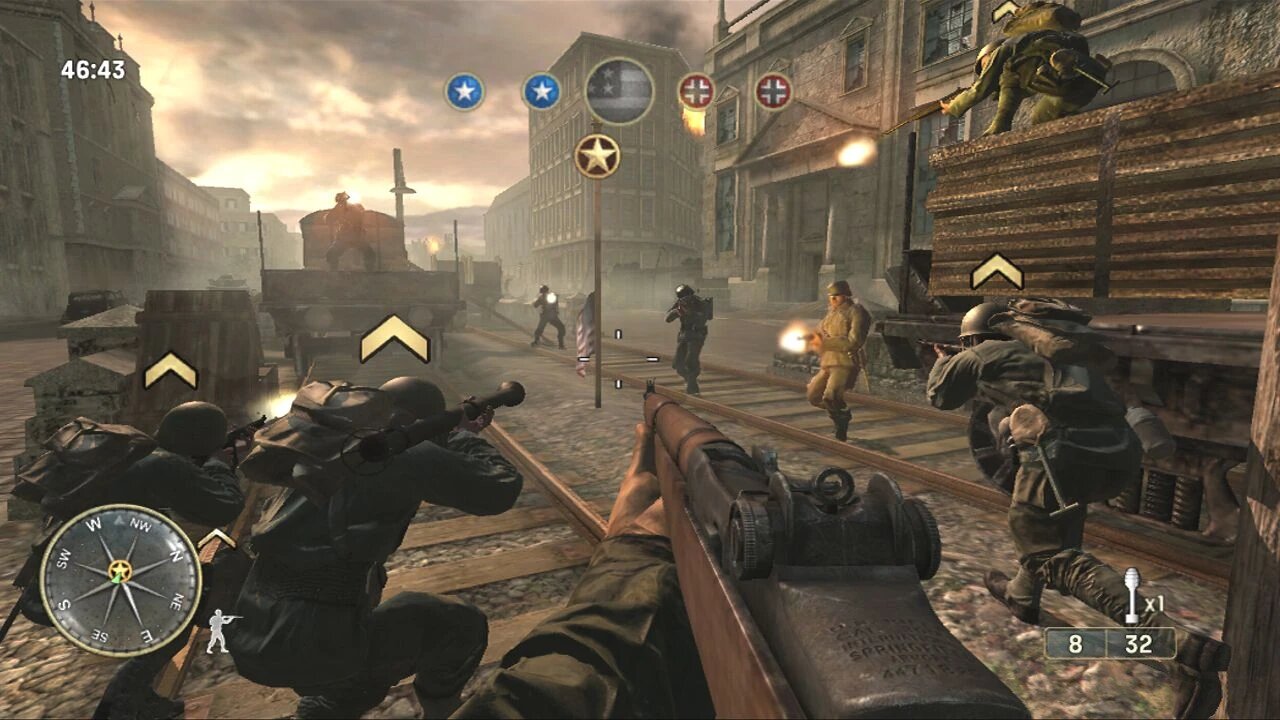
The first three entries in the Call of Duty series primarily focused on dramatizing World War II, much like the Hollywood blockbusters of the era. These games presented different perspectives from soldiers on various fronts, delivering intense action but somewhat lackluster story campaigns. With fast-paced multiplayer modes, the series gained attention but still found itself in direct competition with other popular World War II shooters like EA’s Medal of Honor. While these initial titles laid the groundwork, they didn’t yet achieve the global recognition the franchise is known for today.
A Game-Changer: Call of Duty 4: Modern Warfare
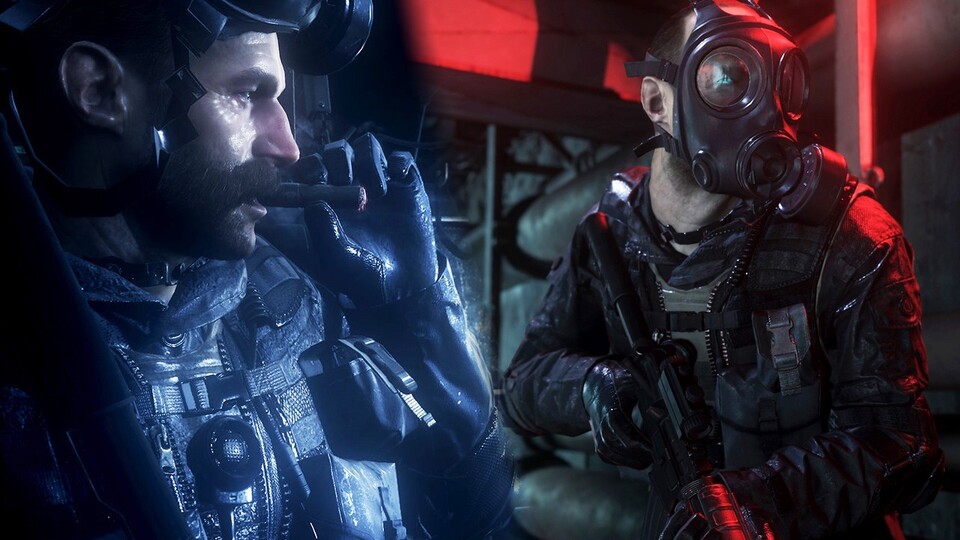
When Infinity Ward took back the reins for the development of Call of Duty 4: Modern Warfare, they knew they had to bring something new to the table. Rather than revisiting the well-trodden path of World War II, they opted for a modern setting. This shift brought the action closer to home, with conflicts in the Middle East and global power struggles that felt timely and familiar.
The multiplayer experience also saw a significant overhaul. The gameplay was so engaging that it felt like watching breaking news footage but with an undeniable sense of fun that kept players hooked. This innovation not only drew in a new generation of players but solidified Modern Warfare as a revolutionary entry in the franchise.
Revisiting the Past: Call of Duty: World at War

Treyarch, the studio responsible for the next major installment, took a different approach with Call of Duty: World at War. While returning to the World War II setting, they gave it a darker and more realistic twist. The game focused heavily on the brutalities of war, showcasing the horrors of combat in a way that previous entries had not. This gritty portrayal made World at War a memorable experience, and it introduced a now-iconic feature: the Zombies mode.
Zombies offered a fresh, co-op experience that was a welcome break from the fast-paced multiplayer. It became so beloved that it would go on to become one of the most enduring and popular modes in the franchise’s history.
Setting the Bar Higher: Call of Duty: Modern Warfare 2
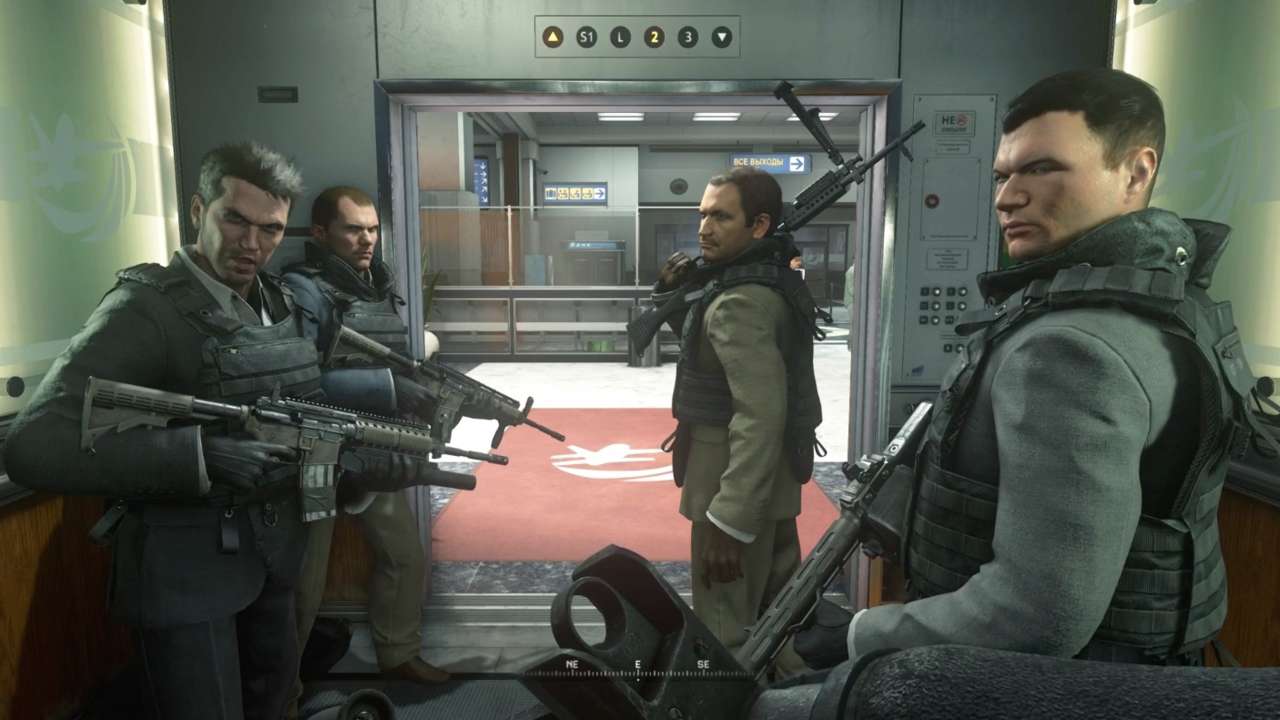
Following the success of Modern Warfare, Infinity Ward returned with Modern Warfare 2, knowing they had to exceed the high expectations of their fans. And they did just that. Over two years of development, the team introduced gameplay innovations that would forever change the FPS genre.
One of the most talked-about moments was the controversial “No Russian” mission, a level so shocking and realistic that it sparked outrage from parents and politicians alike. Despite the negative media coverage, the game’s brutal storytelling only fueled its notoriety and success. Meanwhile, the multiplayer experience evolved, shaping the next generation of competitive gamers, many of whom, like myself, look back on it as a defining moment in gaming.
Innovation Meets Choice: Call of Duty: Black Ops 2
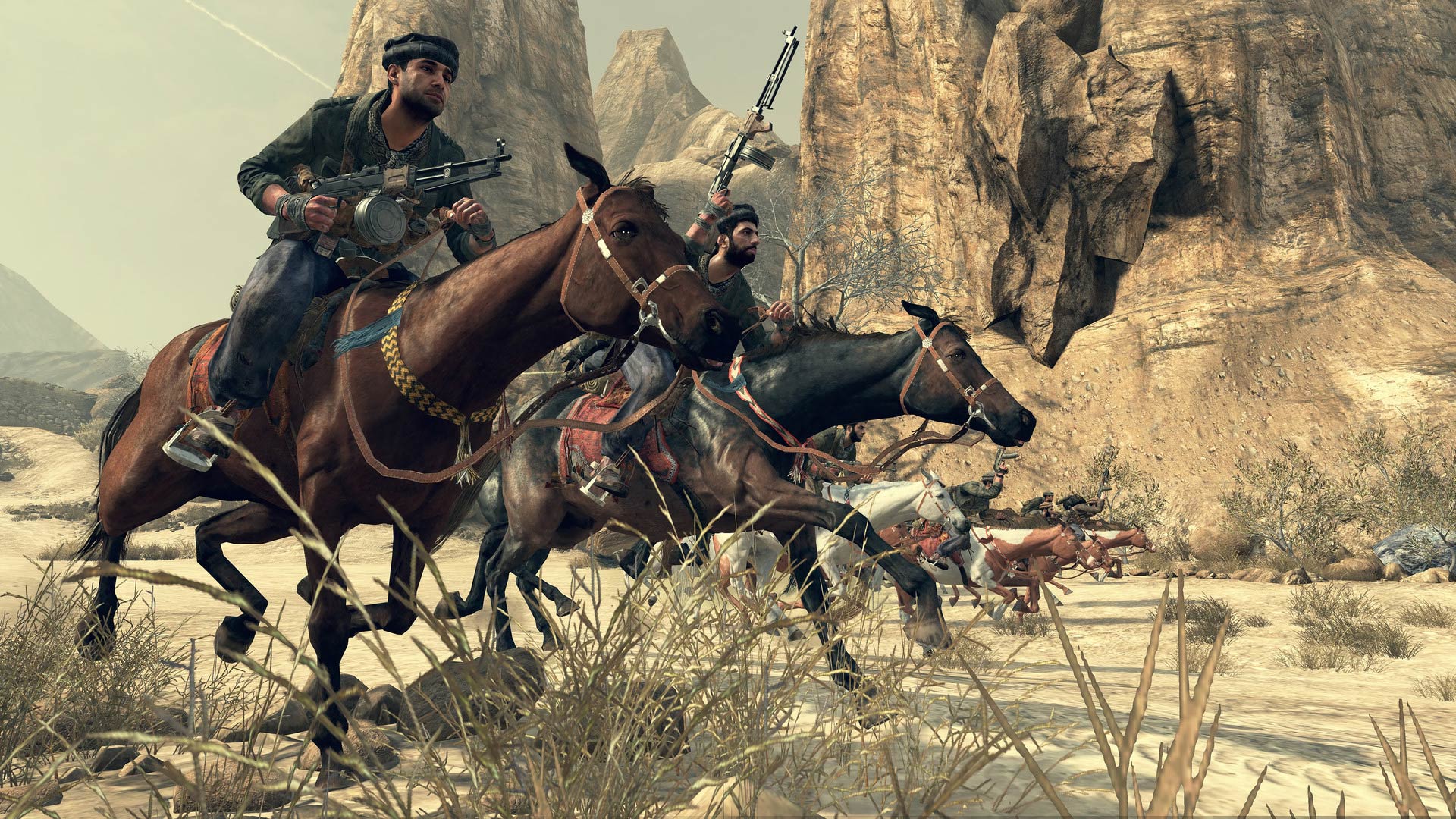
Treyarch once again pushed the boundaries of the Call of Duty series with Black Ops 2. For the first time, players could experience a campaign that spanned two timelines, offering a more complex narrative than ever before. The introduction of player-driven choices that affected the outcome of the story added a new layer of depth.
In multiplayer, the game offered unprecedented customization. Whether it was character selection, weapon variety, or map diversity, players were given an abundance of options. The result was a dynamic experience that appealed to both casual and competitive gamers alike.
Advanced Movement: Call of Duty: Advanced Warfare
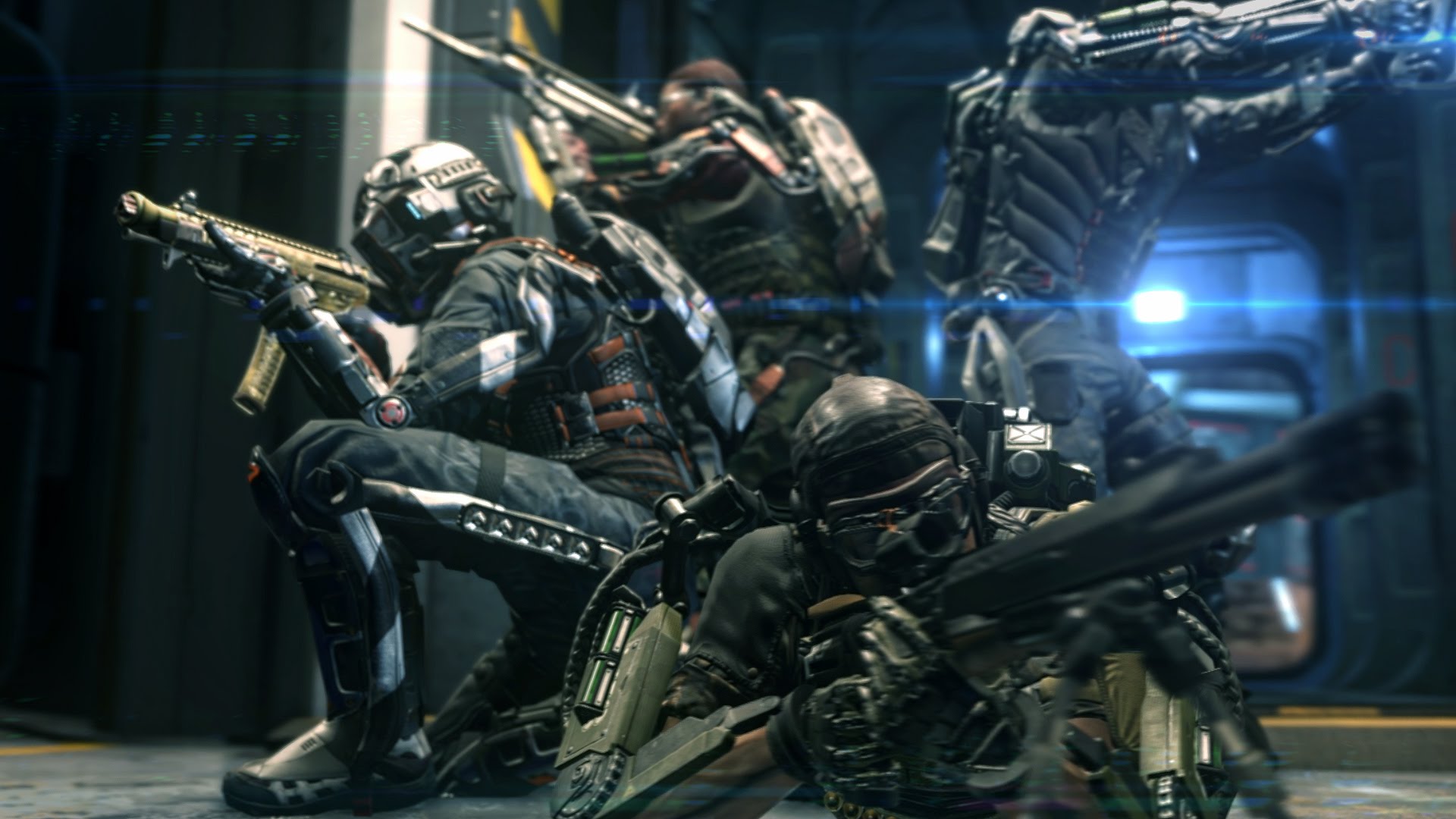
By the time Advanced Warfare was released, Call of Duty had cemented itself as a household name. However, EA’s Titanfall, which featured dynamic movement mechanics inspired by giant robots, presented new competition. In response, Advanced Warfare introduced “Exo Suits,” which allowed players to perform double jumps, wall-running, and devastating melee attacks.
While this “Advanced Movement” mechanic initially intrigued players, it ultimately fell flat due to restrictive map designs and pacing issues. Despite its ambition, Advanced Warfare is often regarded as a missed opportunity in the franchise’s long history.
The Reboot Era: Call of Duty: Modern Warfare (2019)
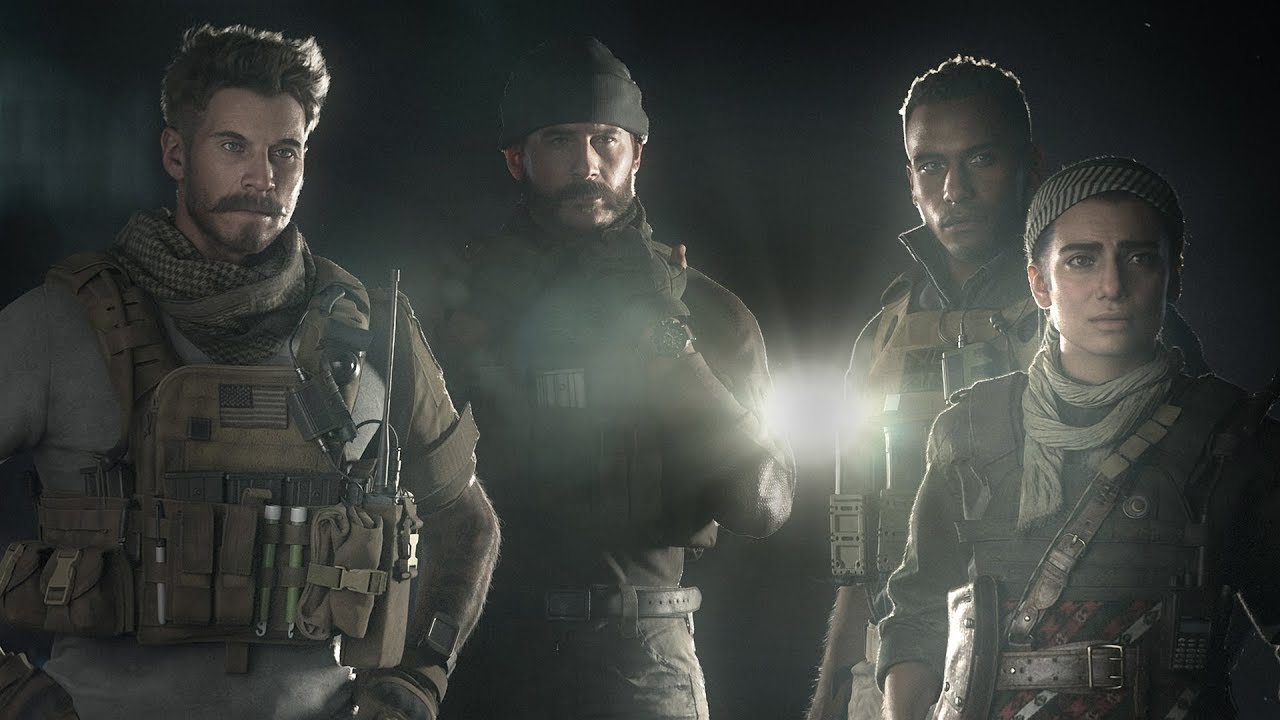
Following the disappointing launch of Black Ops 4, fans were growing concerned about the future of the series. Activision and Infinity Ward responded with a reboot of the Modern Warfare sub-series. Powered by a new engine, the reboot introduced improved graphics, more realistic movement, and a smoother overall gameplay experience.
The rebooted campaign, inspired by contemporary films like 13 Hours: The Secret Soldiers of Benghazi, brought the story closer to modern-day conflicts, much like its predecessor did years before. The reboot reassured fans that Call of Duty was back on track and better than ever.
Battle Royale Revolution: Call of Duty: Warzone (2020)
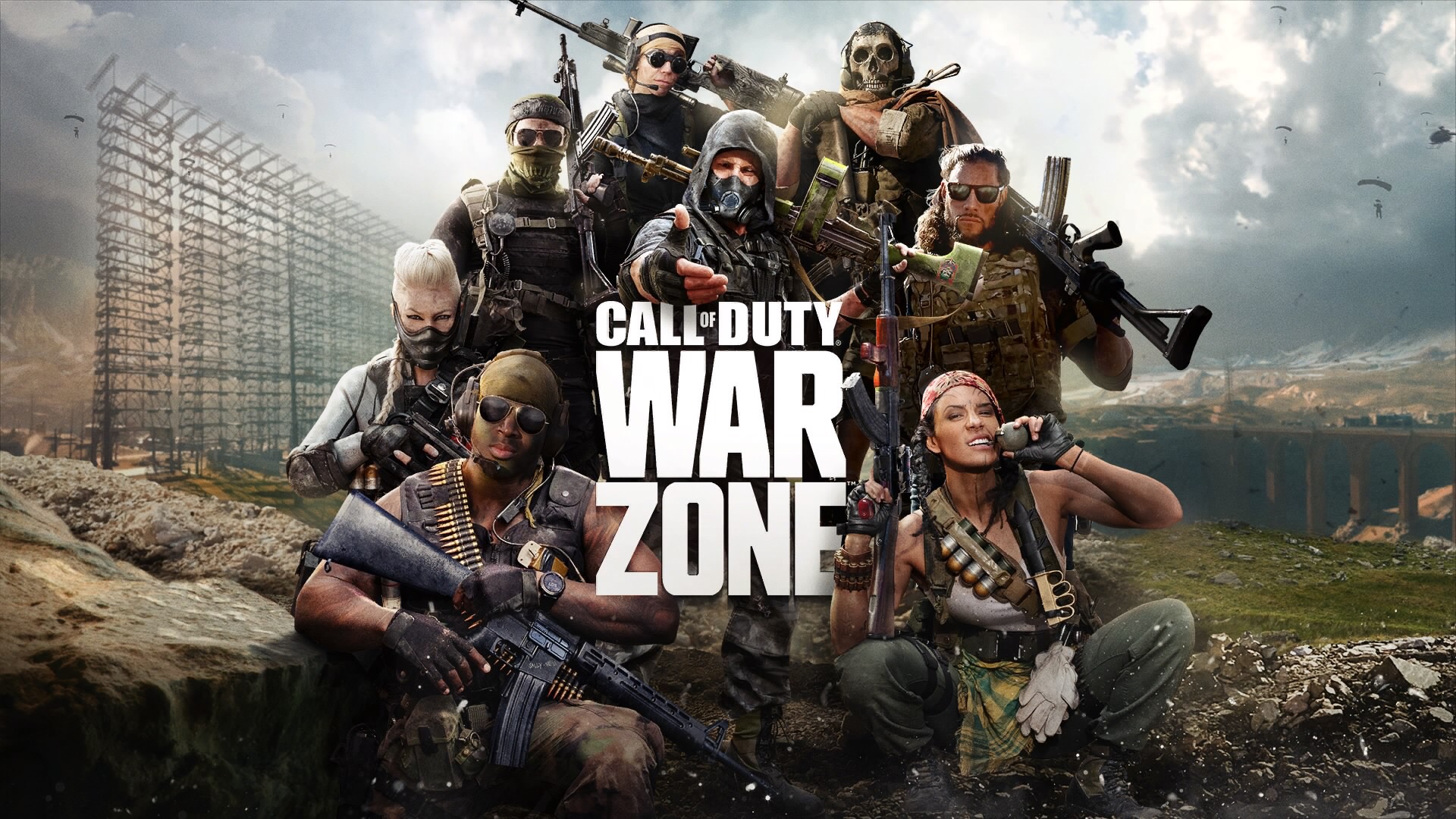
Riding on the success of the Modern Warfare reboot, Activision capitalized on the rising trend of battle royale games with the release of Warzone. Launched as a free-to-play mode during the global pandemic, Warzone became an overnight success, drawing in millions of players worldwide. Its impact was so significant that it became a central focus for Activision, shaping the future direction of the franchise.
The Next Step: Call of Duty: Black Ops 6 (2024)
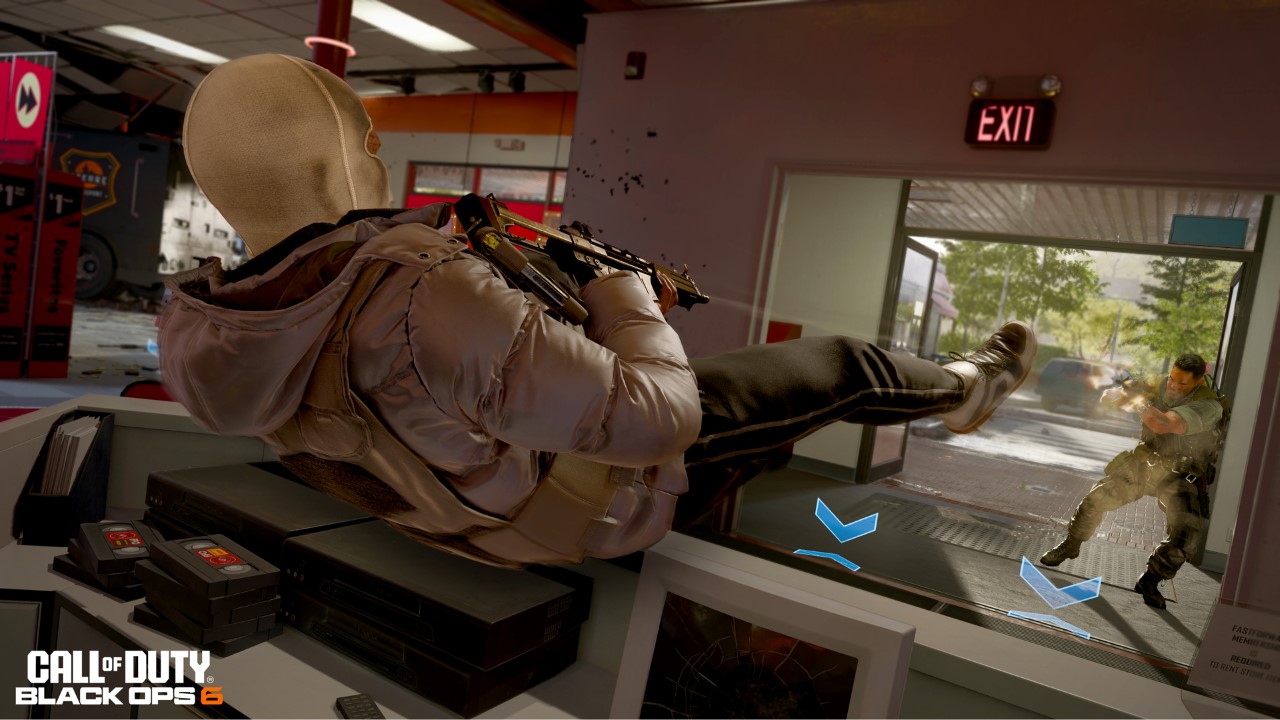
Now, Treyarch is back with Black Ops 6, a direct sequel to the underrated Cold War. Five years after the revolutionary movement mechanics introduced in the 2019 Modern Warfare, Treyarch has introduced “Omni Movement,” a system reminiscent of Max Payne’s fluid action mechanics. Players can now dive and run in any direction, with the tagline “Move Like an Action Hero” capturing the essence of this new feature.
In addition to this, the classic prestige system has returned, offering long-time fans a sense of nostalgia while integrating modern advancements. With these innovations, Black Ops 6 is poised to leave its mark on the next generation of Call of Duty fans.