

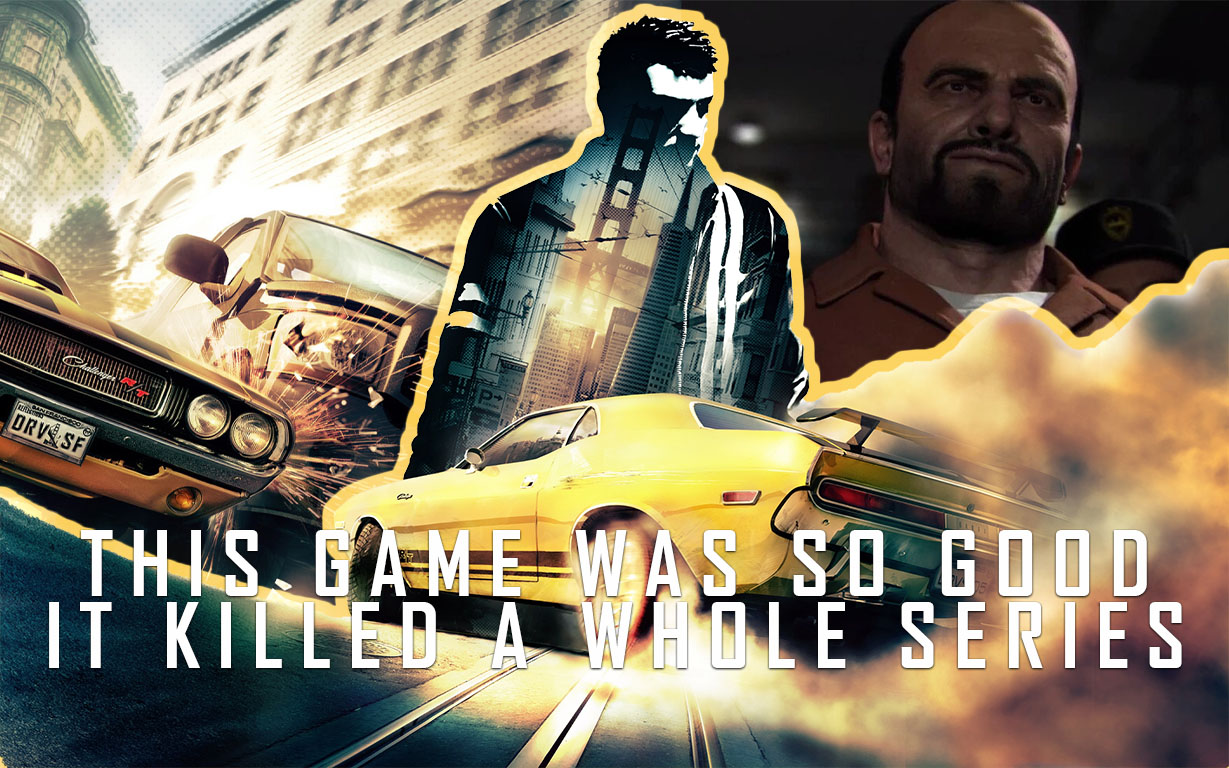
Back in the late 90s, there was a franchise that aimed to dominate the driving genre: Driver. Created by Reflections Interactive and initially published by GT Interactive, the Driver series stood out by focusing solely on driving mechanics, even as other open-world games began incorporating more diverse gameplay elements. It was a bold effort to create a realistic, immersive driving experience, and at its peak, Driver was seen as a serious contender to the growing juggernaut that was Grand Theft Auto.
In fact, Driver 2 (2000) was so well-received that it often drew direct comparisons to the GTA franchise, especially during an era when GTA had just entered the 3D realm. But things took a turn with the release of DRIV3R (2004), a title that would forever change the series’ trajectory.

DRIV3R – A Crash in the Making
DRIV3R was Atari’s ambitious response to GTA 3, set in Miami, Florida. The game once again featured John Tanner, the series’ protagonist, as he attempted to take down a notorious drug ring. Atari poured an enormous amount of money into the game’s development and marketing, pushing it as a rival to GTA’s open-world dominance.
Unfortunately, DRIV3R turned out to be a massive disappointment. Despite the hype, the game suffered from severe performance issues, unfinished design elements, and poorly executed gameplay mechanics. Critics panned the title for being buggy and feeling rushed to market. This commercial and critical failure was so significant that it contributed to Atari closing its publishing branch. The once-promising Driver series had effectively hit rock bottom.
A Glimmer of Hope: Driver: Parallel Lines
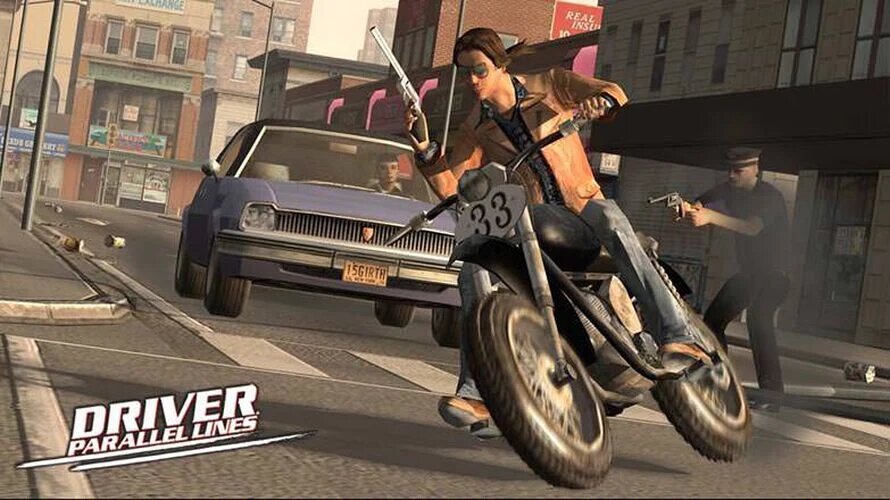
After the disastrous release of DRIV3R, Ubisoft acquired Reflections Interactive in 2006, renaming the studio Ubisoft Reflections. With Ubisoft at the helm, the franchise attempted a comeback with Driver: Parallel Lines (2006). Set in both the 1970s and early 2000s New York City, the game departed from the John Tanner storyline, offering a fresh perspective with a new protagonist.
Parallel Lines was generally considered a mild improvement over DRIV3R, but it failed to truly recapture the series’ former glory. Though Ubisoft’s acquisition of Reflections brought a renewed sense of stability to the development team, the Driver franchise struggled to regain its footing in a rapidly evolving gaming landscape.
Following this, Driver 76, a prequel to Parallel Lines, was released for the PSP, but the franchise continued to fade into obscurity. Ubisoft Reflections needed to find a way to make the Driver series relevant again.

Driver: San Francisco – Innovation Meets Decline
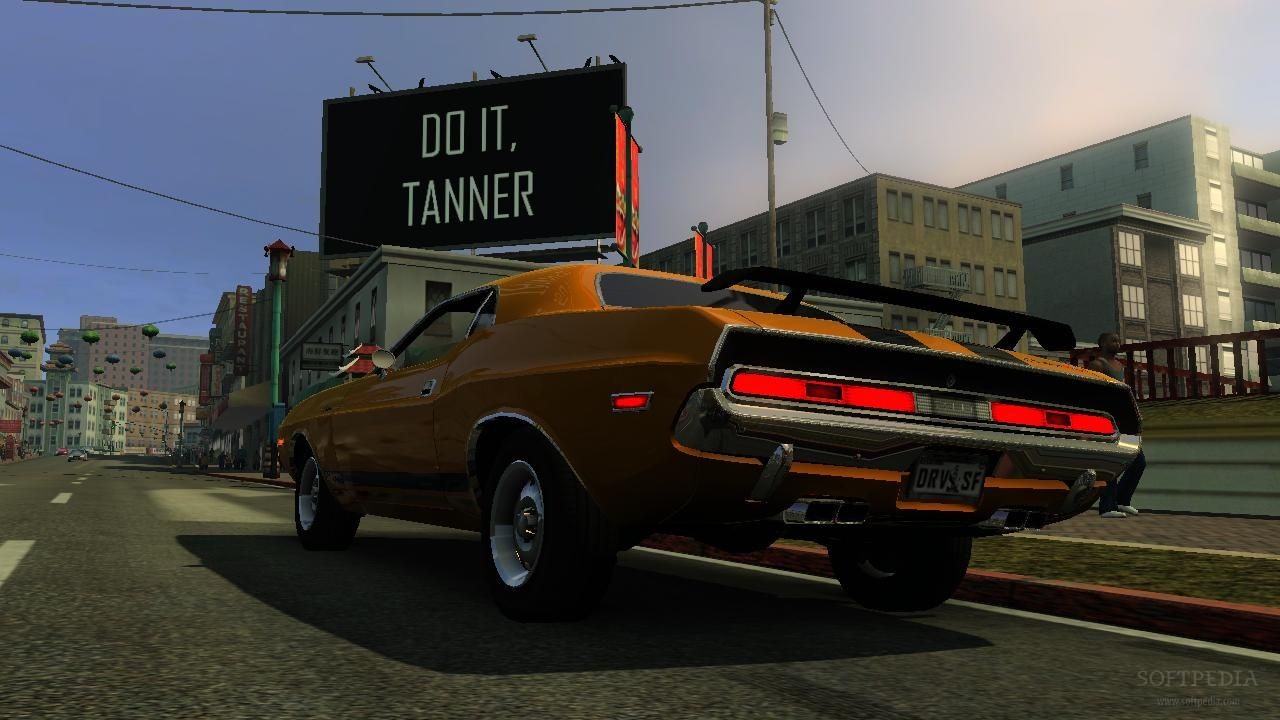
In 2010, during the E3 Expo, Ubisoft made a surprise announcement: Driver: San Francisco. Released in 2011, this new entry was set in the sprawling streets of San Francisco and once again featured John Tanner as the main character. The game introduced a unique and innovative mechanic known as the “Shift” feature, which allowed players to teleport from one car to another seamlessly. This added a fresh twist to the gameplay and set it apart from other open-world titles.
Driver: San Francisco was critically praised for its bold innovations, its return to the series’ roots, and its engaging car chase sequences. The game’s decision to stick to driving mechanics while weaving in a gripping, action-packed narrative was a breath of fresh air. The “Shift” mechanic, in particular, was lauded for offering a creative way to explore the open world and complete missions without relying on the traditional “get out of the car” trope seen in other open-world games like Grand Theft Auto.
Yet despite the critical acclaim and generally positive reception, Driver: San Francisco didn’t perform as well commercially as Ubisoft had hoped. The timing of its release may have played a role in this. By 2011, open-world games had evolved, and gamers were more drawn to titles with a broader range of activities beyond driving. Moreover, the Driver series had lost much of its fanbase after the missteps with DRIV3R, and it struggled to compete in a market now dominated by franchises like GTA, Need for Speed, and Burnout.
The Fall of Driver After San Francisco
Despite its innovation and quality, Driver: San Francisco ended up being the final nail in the coffin for the Driver franchise. Ubisoft had gambled on the series’ revival, but when the sales numbers fell short of expectations, the company moved away from the Driver IP altogether. Ubisoft Reflections would go on to contribute to other projects within Ubisoft, including helping with titles like Watch Dogs and The Crew, but the Driver series was effectively shelved.
In hindsight, Driver: San Francisco was both a return to form and the game that killed the franchise. Its innovation and gameplay were worthy of a series resurgence, but the commercial failure sealed the fate of a franchise that had once shown so much promise.
A Legacy That Lives On
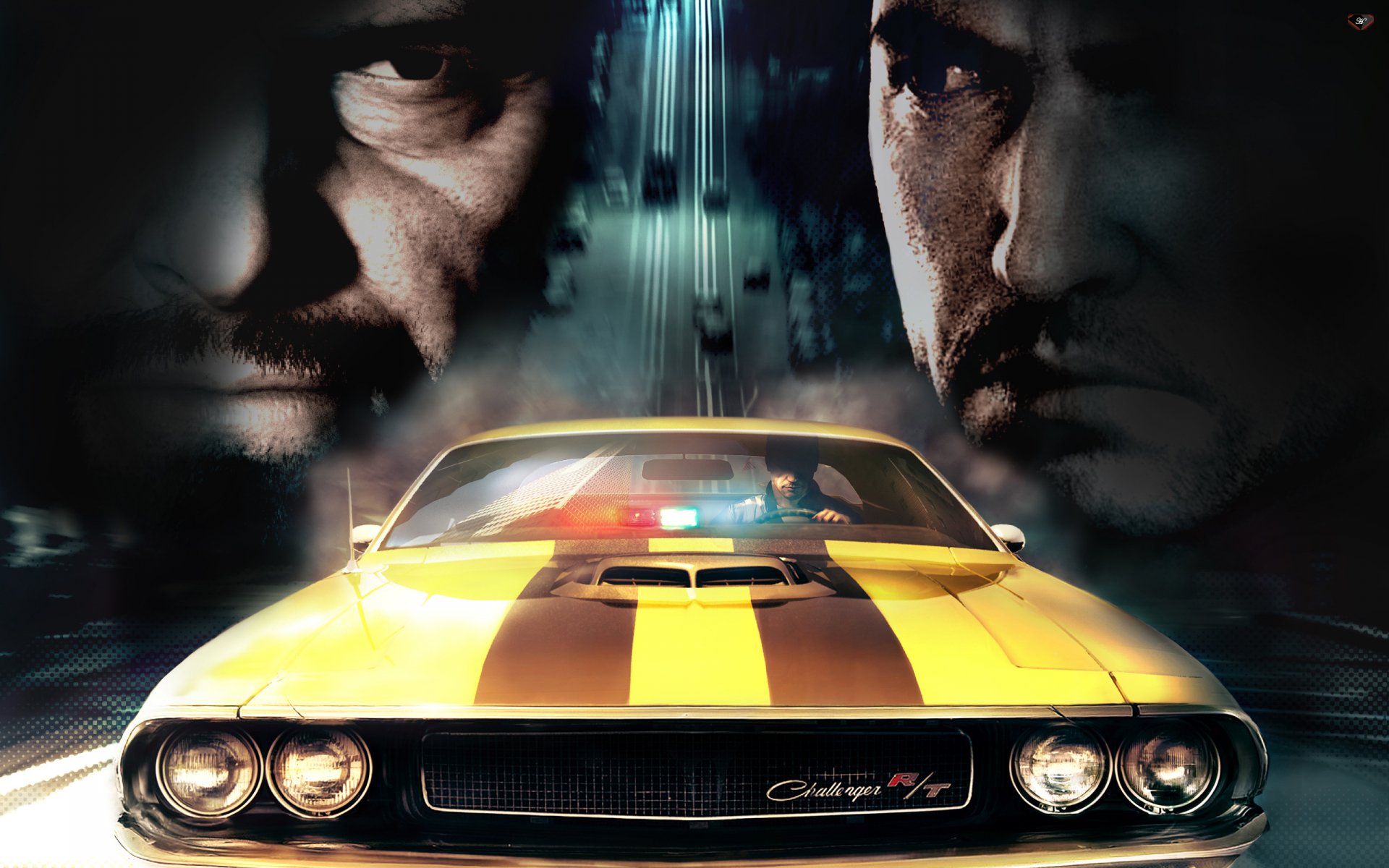
Though the Driver series has been dormant since San Francisco, its influence on the driving and open-world genres cannot be understated. The early Driver games helped pave the way for more realistic car chases in video games, and Driver: San Francisco remains a cult favorite among fans for its unique mechanics and solid gameplay. However, its commercial underperformance signaled the end of a once-great franchise that, despite its best efforts, couldn’t keep pace with the evolving gaming industry.
In the end, Driver: San Francisco may not have saved the series, but it certainly left a lasting impression on those who played it. Its innovations showed what could be done with the driving genre, but the market had already moved on, leaving Driver as a relic of the past.