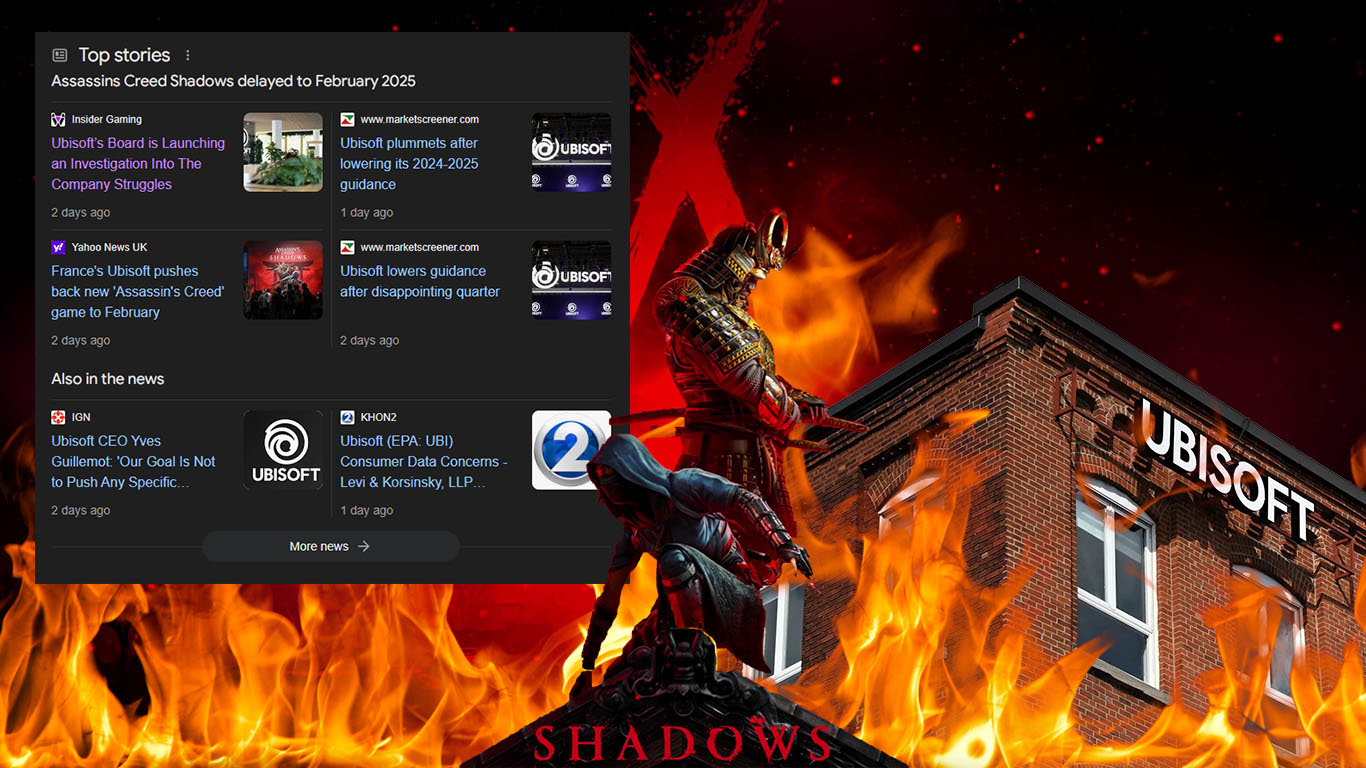
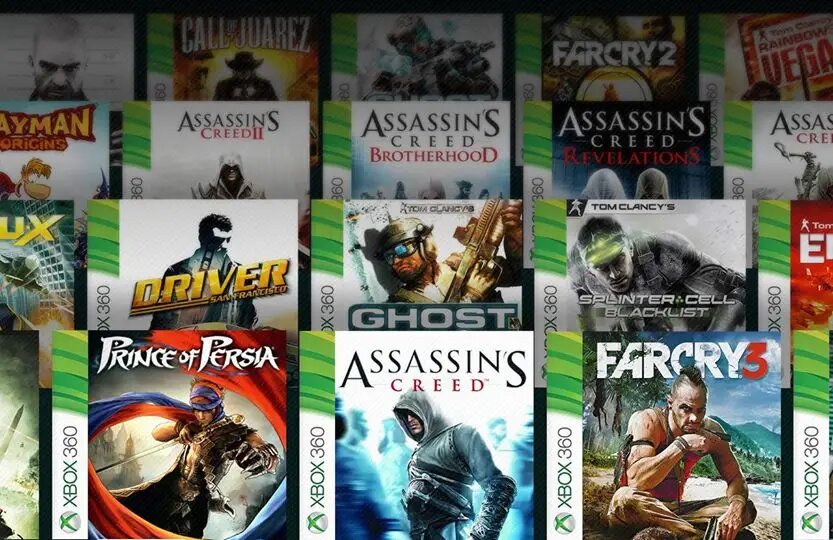
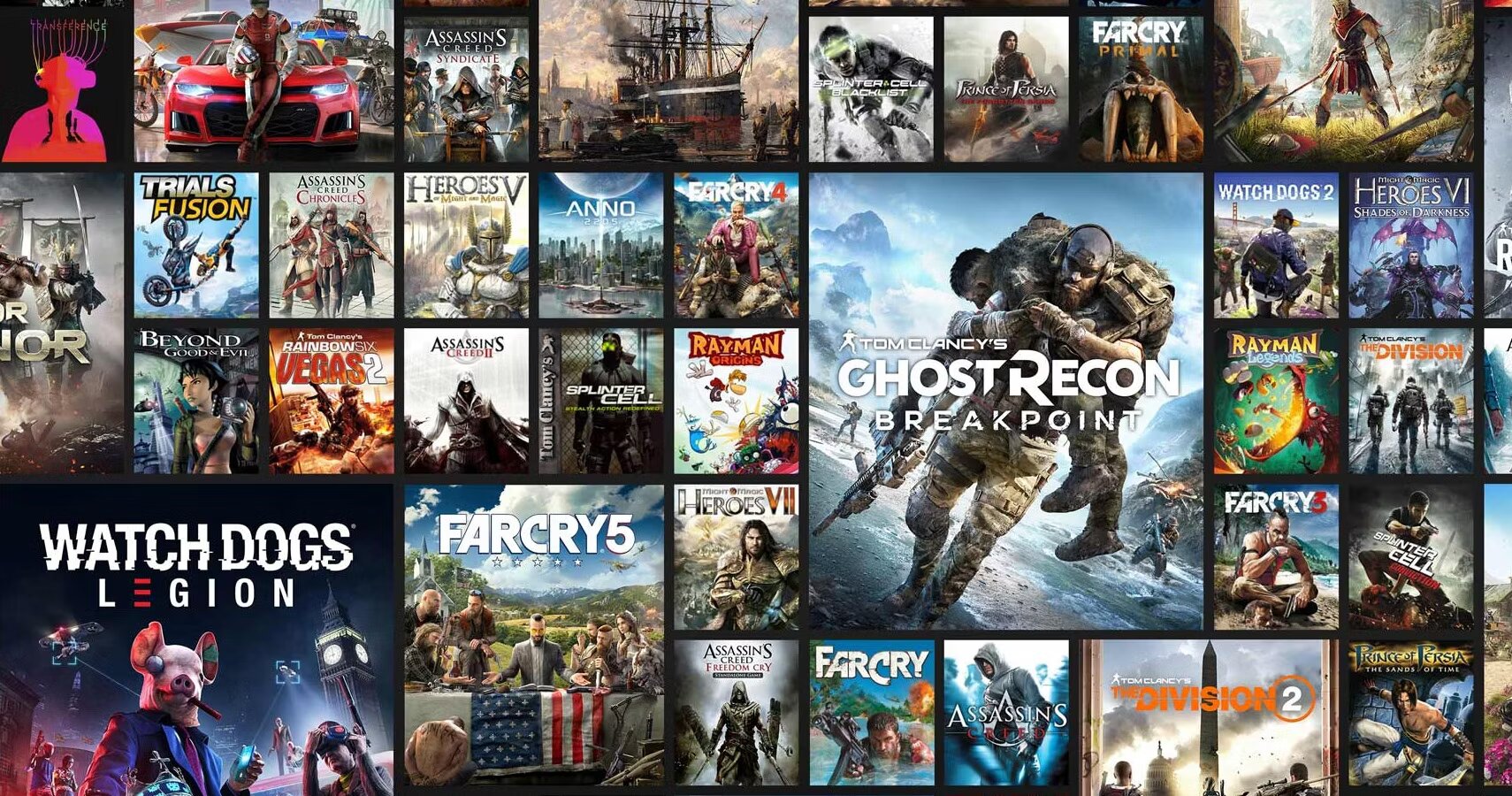
During the 7th generation of consoles, Ubisoft was one of the most beloved game companies in the world. Their success stemmed from a fearless approach to game development—taking risks, experimenting with new ideas, and reviving old franchises. This bold strategy paid off, not only pleasing gamers with a variety of fresh and exciting titles but also shaping the gaming industry in ways that allowed Ubisoft to make significant profits.
Ubisoft’s willingness to innovate saw the revival of beloved franchises like Rayman and Driver, alongside the release of new IPs that resonated with gamers. Their ability to balance risk-taking with market success was unmatched, driving their stock prices and revenue to impressive heights.
From Risk-Taker to Trend-Follower
Unfortunately, this golden era didn’t last forever. As game development became more expensive and the market more competitive, Ubisoft shifted its focus. The company that once thrived on innovation began to rely heavily on established franchises and trends. They no longer took the risks they were known for, instead opting for a “safe” strategy of capitalizing on what was already popular. Games like Assassin’s Creed and Far Cry became their bread and butter, while fresh ideas were left behind.
One of the company’s biggest missteps was its decision to follow trends, especially the growing demand for Battle Royale, extraction shooters, and live service games. While it’s understandable that companies need to adapt to survive, Ubisoft’s attempts to jump on these bandwagons were poorly executed, leading to a series of failures that damaged the company’s reputation and bottom line.
A Prime Example: The Failure of Hyper Scape
In 2020, Ubisoft attempted to break into the Battle Royale market with Hyper Scape, a free-to-play game that emphasized vertical gameplay, where players had to navigate through various levels of height, from rooftops to ground floors. On paper, it seemed like a fresh take on the genre, offering something unique in an already saturated market. However, there was one significant issue—Ubisoft was simply too late to the party. Established games like Fortnite, Apex Legends, and Warzone had already solidified their dominance, leaving little room for Hyper Scape to thrive.
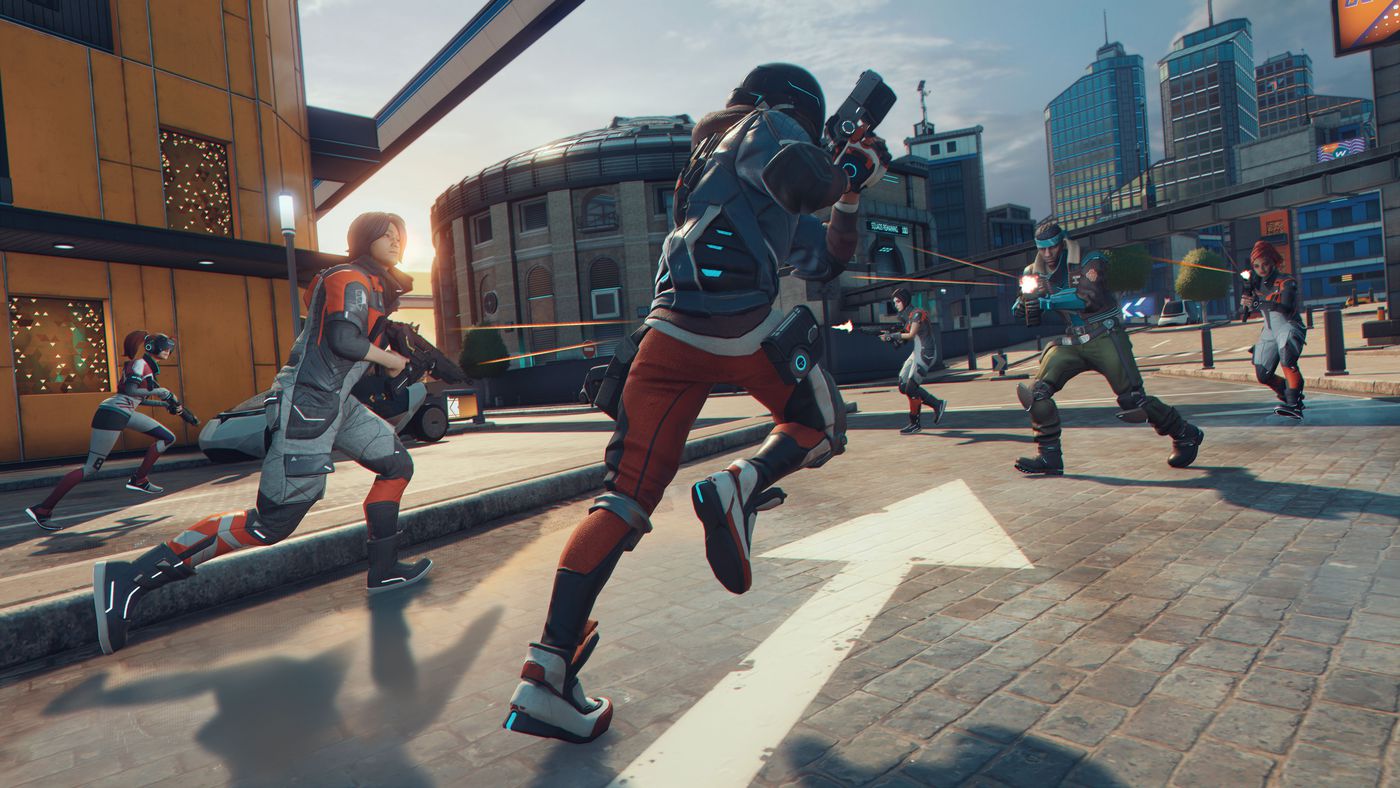
Despite the innovative mechanics, the game struggled to gain traction, and Ubisoft was forced to shut it down after a short-lived attempt at success. The failure of Hyper Scape marked a turning point for Ubisoft. Though it was a setback, the company managed to stay afloat, but it was clear that their strategy was faltering.
The Struggle of Assassin’s Creed and the Pressure on Shadows
One of Ubisoft’s most iconic franchises, Assassin’s Creed, has long been a cornerstone of the company’s success. However, in recent years, the series has struggled to maintain the level of quality and innovation that initially made it a fan favorite. Releases like Assassin’s Creed Valhalla and Assassin’s Creed Odyssey performed decently in terms of sales, but many fans and critics voiced concerns over the games feeling bloated with unnecessary content, repetitive missions, and a shift away from the stealth-action gameplay that defined the early entries in the series.
While Valhalla sold well, the series began to feel formulaic, relying heavily on its open-world RPG formula that many saw as overstaying its welcome. Ubisoft’s decision to annually pump out Assassin’s Creed titles left the franchise feeling stale, and the community’s excitement started to wane. Despite decent sales numbers, it became clear that the franchise was losing its magic.
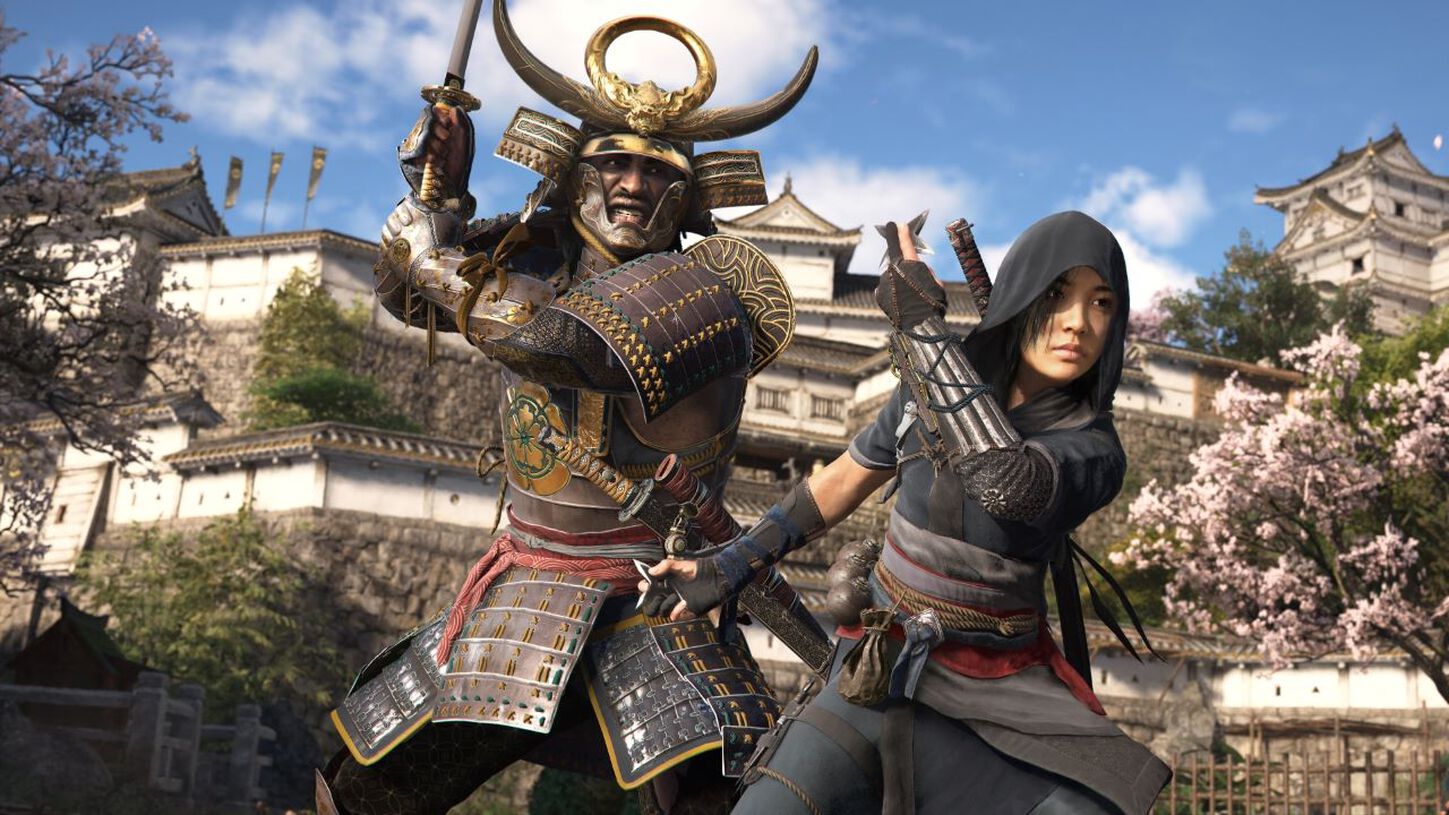
By 2024, Ubisoft was banking heavily on Assassin’s Creed Shadows to revitalize the franchise and serve as a beacon of hope in the company’s broader struggle. With many of Ubisoft’s other franchises failing, Shadows was intended to reinvigorate interest in the series by returning to its stealth roots and offering a more focused, narrative-driven experience. The company knew that Shadows had to be a hit to restore fan trust and give the company a much-needed win.
2024: The Consequences of Mismanagement
Fast forward to 2024, and Ubisoft is facing the harsh consequences of years of poor decisions. Many of their franchises have been effectively “killed,” and the company is grappling with the results of its mismanagement. Ubisoft’s stock prices hit their lowest point in over 12 years, signaling a severe loss of investor confidence.
Their recent releases haven’t helped matters either. The highly anticipated Star Wars Outlaws underperformed financially, failing to meet Ubisoft’s lofty expectations. This underperformance was a stark reminder that even their major licensed IPs couldn’t save them from the fallout of bad business decisions.
At this point, Ubisoft had placed all its bets on Assassin’s Creed, hoping it would carry them through these difficult times. However, a new competitor emerged in Sony’s recent State of Play showcase—Ghost of Yotei, a sequel to one of the most acclaimed games of the previous generation. The announcement of Ghost of Yotei rattled Ubisoft, as it became clear that their reliance on Assassin’s Creed may not be enough to fend off this new threat.
Ubisoft’s Reckoning: Ending the Live Service Era
In response to their declining fortunes, Ubisoft launched a full-scale investigation to uncover the reasons behind their internal and external failures. One of the most significant outcomes was the decision to abandon their live service model and cease support for battle passes in future games. This marked the end of Ubisoft’s live service era, a move that, while potentially beneficial for gamers, came at a high cost for the company.
With the delay of Assassin’s Creed Shadows, Ubisoft’s leadership finally acknowledged that their live service strategy wasn’t sustainable. The shift away from this model could be seen as a return to form, focusing on delivering complete, polished experiences rather than chasing trends. However, this change also left the company in a precarious position, sacrificing the consistent revenue streams live service games provided.
Ubisoft’s story is one of highs and lows—a company that once led the industry through innovation, only to falter by chasing trends without proper execution. While their recent decisions suggest a willingness to change course, only time will tell if Ubisoft can reclaim its former glory. For now, the company must navigate a challenging landscape, with fewer games to rely on and more competitors than ever before.