The Last of Us has always been known for its strong single-player narrative and compelling characters. However, the multiplayer mode, called Factions, which was part of the first game, garnered its own dedicated fanbase. When The Last of Us Part II was announced, fans eagerly anticipated a multiplayer mode that could build on the success of Factions. Unfortunately, the promised standalone multiplayer project for The Last of Us was eventually canceled, leaving fans disappointed. This cancellation is particularly intriguing when viewed against PlayStation’s growing focus on live service and multiplayer games, signaling a shift in strategy.
The Rise and Fall of The Last of Us Multiplayer Mode
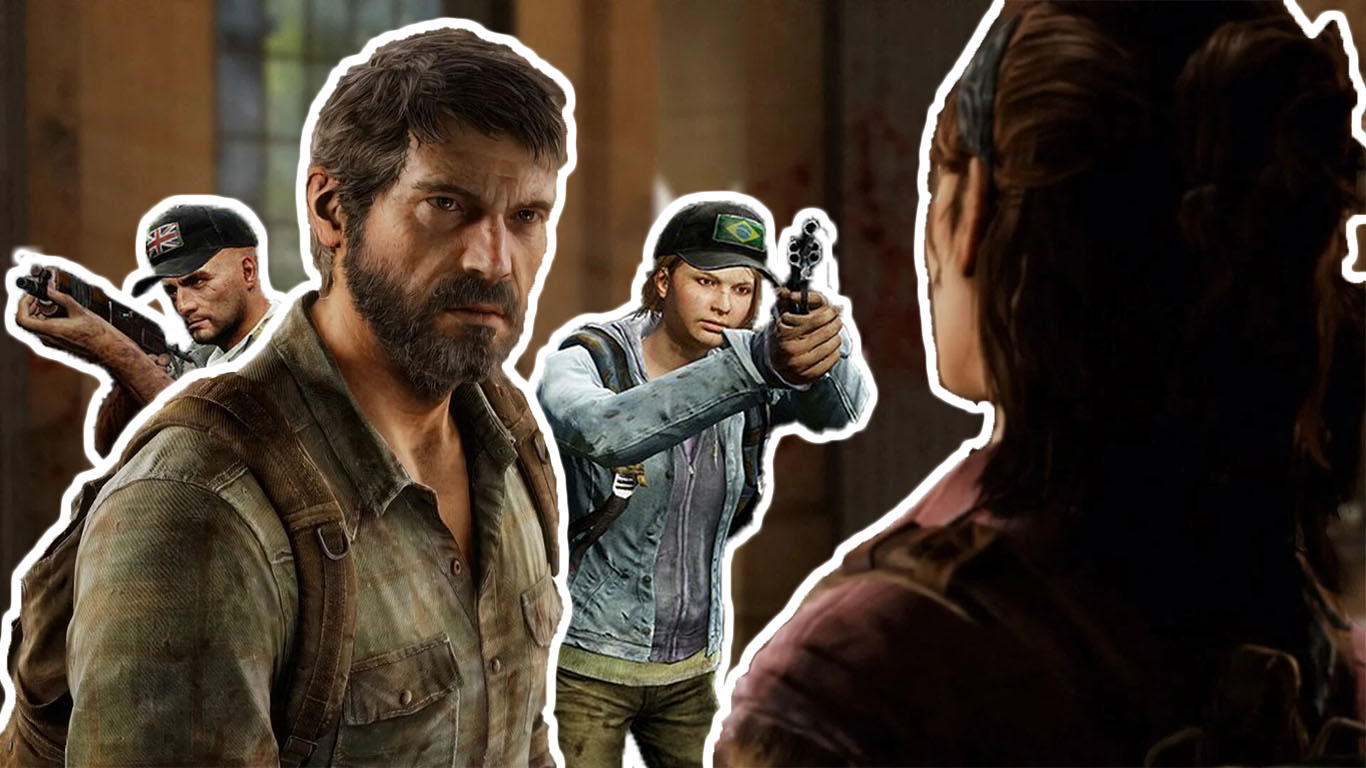
Initially, The Last of Us Part II was expected to include a multiplayer mode like the original game. Factions, the online mode in The Last of Us, allowed players to form groups and engage in strategic combat scenarios. It became popular because it offered a grounded experience that mirrored the brutal and tense nature of the single-player campaign. In fact, many fans argue that it was one of the best multiplayer modes to come out of the PlayStation 3 era.
When it became clear that The Last of Us Part II wouldn’t ship with a multiplayer mode, Naughty Dog reassured fans that a standalone Factions mode was in the works. But as time went on, little information surfaced, and speculation grew that the project was facing challenges. The final blow came when it was officially confirmed that the multiplayer project was scrapped entirely, raising questions about Naughty Dog’s internal development and the future of online multiplayer experiences tied to single-player franchises.
PlayStation’s Shift Toward Multiplayer and Live Service Games
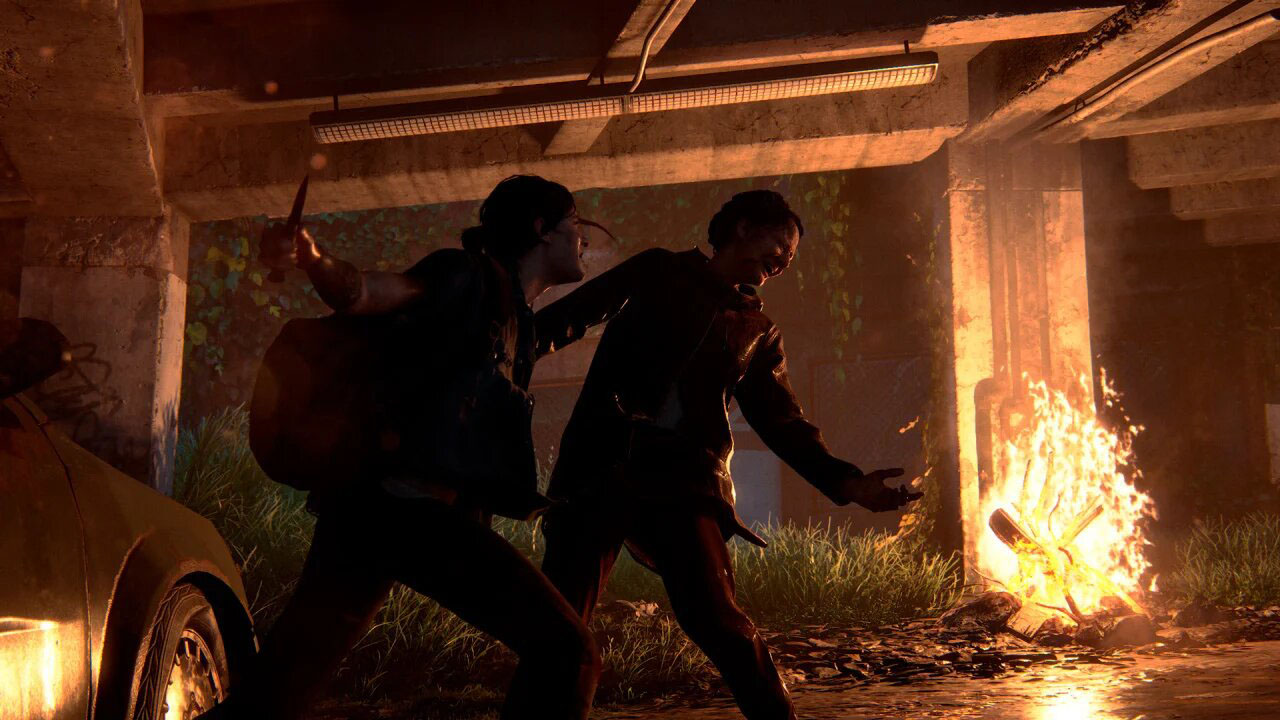
Sony’s PlayStation has historically been known for its single-player narrative-driven games. Franchises like God of War, Horizon Zero Dawn, and Spider-Man have anchored PlayStation’s strategy and defined the brand. However, as the gaming landscape shifts, Sony has started to pivot toward multiplayer and live service games, areas that have seen massive growth, particularly with the rise of titles like Fortnite, Apex Legends, and Destiny.
In fact, PlayStation Studios’ head, Hermen Hulst, has openly discussed PlayStation’s intent to develop more multiplayer and live service experiences. This shift is evident with the announcement of games like Marathon by Bungie and the multiplayer ambitions of Haven Studios. These moves suggest that Sony is attempting to diversify beyond its well-known single-player hits, aiming to capture a larger slice of the multiplayer and live service market, which is often more lucrative due to long-term engagement and microtransactions.
Why Cancel The Last of Us Multiplayer?
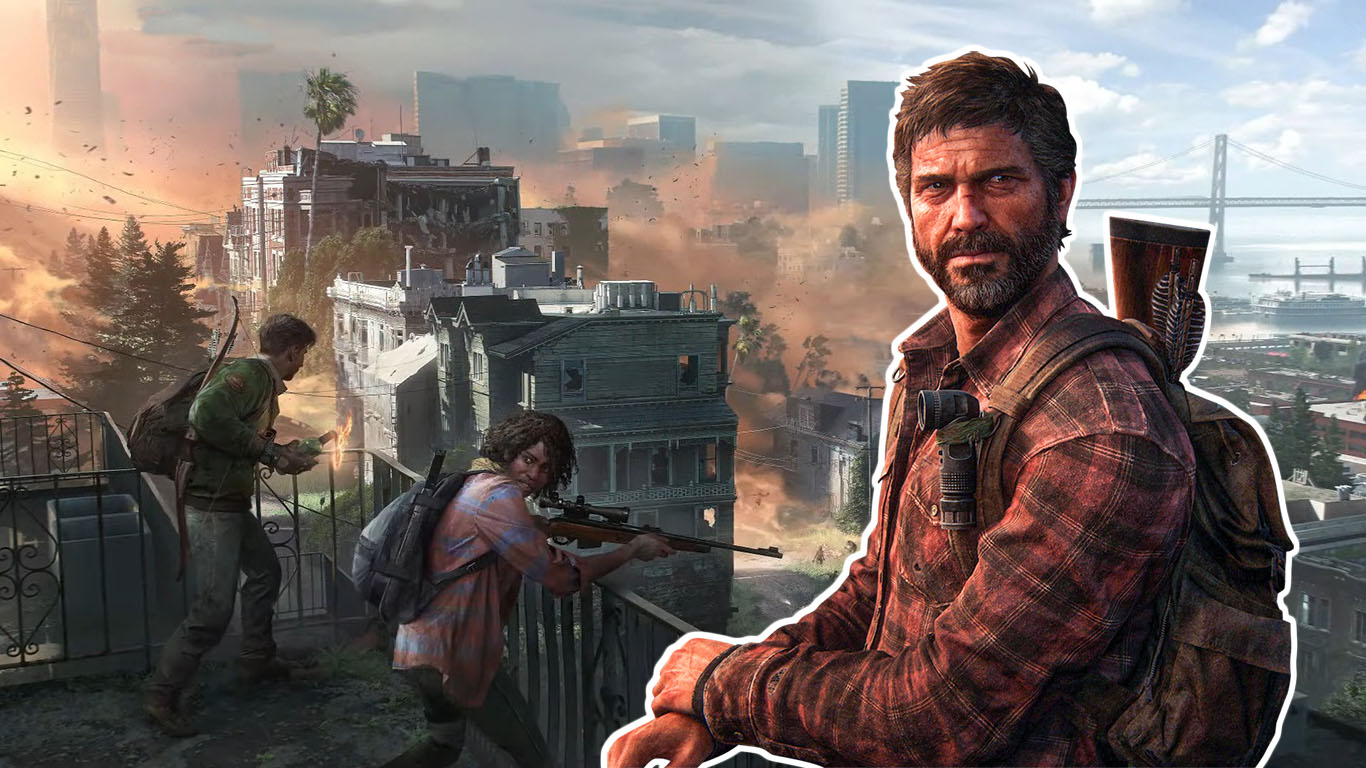
The cancellation of The Last of Us multiplayer project feels at odds with this broader strategy. One reason for the cancellation could be the difficulty of maintaining the high narrative and gameplay standards of The Last of Us in a live service environment. Developing a multiplayer experience that not only meets the expectations of fans but also integrates the same emotional depth and immersive world-building that defines The Last of Us could have proven challenging.
Another possibility is that Sony and Naughty Dog decided to shift resources toward other multiplayer projects or new IPs that could better serve their live service goals. Naughty Dog has a history of focusing heavily on quality and innovation, and it’s possible that the multiplayer project didn’t meet the internal standards they set for their games. In a competitive multiplayer market dominated by Call of Duty and Fortnite, perhaps they felt that it wouldn’t have the impact they desired.
Is This the Future of PlayStation?
PlayStation’s transition toward multiplayer games, despite the cancellation of the The Last of Us multiplayer, reflects a larger industry trend. Multiplayer and live service games can generate steady revenue through continuous updates, battle passes, and microtransactions. Sony’s push to develop more live service titles, with at least 10 planned by 2026, indicates that this shift is not just a side experiment but a core pillar of their future strategy.
While this could be exciting for fans who enjoy multiplayer titles, it also raises concerns. PlayStation built its brand on immersive, story-rich games that provide a different experience from the fast-paced, competitive multiplayer world. The question is whether PlayStation can balance both sides of the gaming spectrum without compromising on the quality of its single-player offerings.
The canceled The Last of Us multiplayer project represents a missed opportunity for fans and raises questions about PlayStation’s direction. As Sony doubles down on multiplayer and live service games, the fate of traditional single-player experiences and their integration into multiplayer formats remains uncertain.
However, the cancellation could also hint at Sony being selective about how it enters the live service arena. Rather than forcing multiplayer modes into franchises where they may not fit, they may be planning more original projects better suited to this model. As PlayStation’s portfolio evolves, it’s crucial that they maintain the high standards that have defined their brand while embracing new trends in the industry. For now, fans of The Last of Us will have to wait and see if multiplayer ever makes its return, or if Sony’s live service strategy will take a different path.