

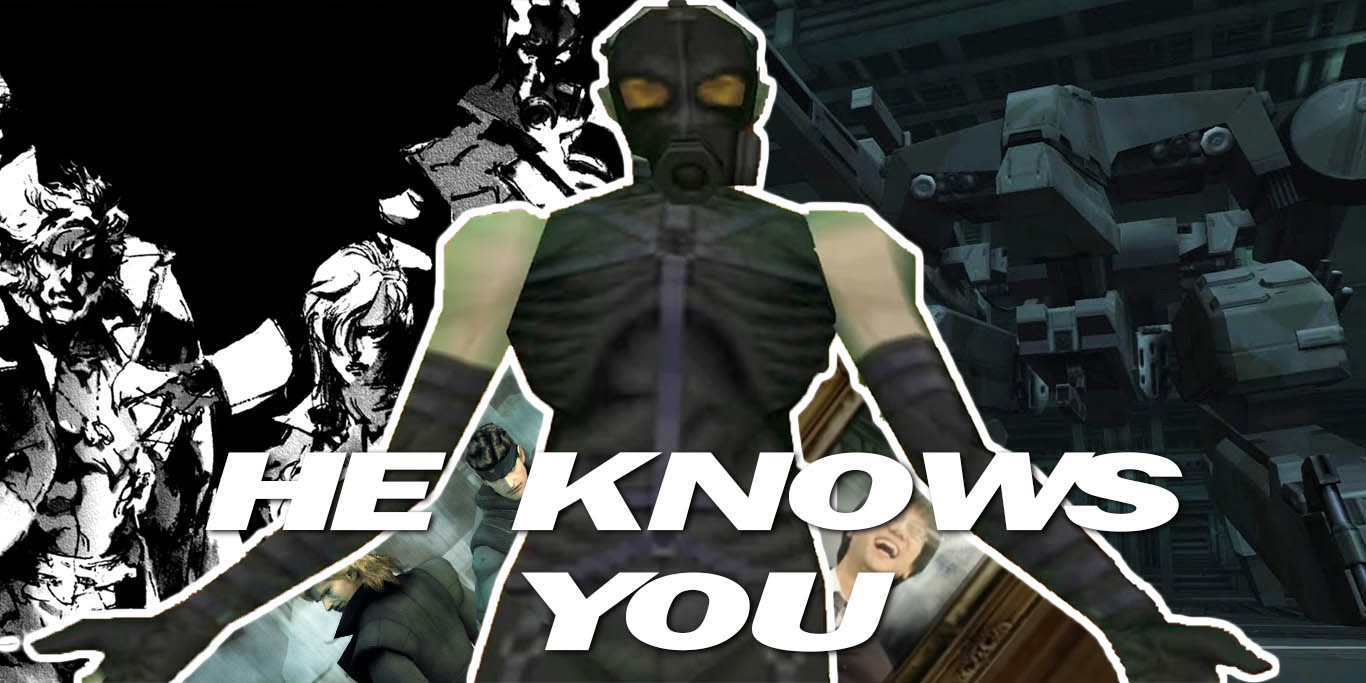
In the late 90s, video games were transforming from simple entertainment into rich, immersive experiences, with developers pushing the boundaries of what games could be. Among the many titles of that era, Metal Gear Solid, released in 1998 for the Sony PlayStation, stood out as a masterpiece that redefined storytelling and gameplay in the medium. At the helm of this revolutionary game was Hideo Kojima, a visionary creator who took inspiration from cinema, particularly movies like The Great Escape. Kojima’s love for film heavily influenced the narrative and cinematic presentation of Metal Gear Solid, blending gameplay and storytelling in a way that was rarely seen.
The Psycho Mantis boss fight in Metal Gear Solid is one of the most iconic moments in video game history, not just for its gameplay, but for how it broke the fourth wall in ways that had never been done before. This battle serves as a masterclass in storytelling, character development, and innovative gameplay design, and it’s still discussed among gamers as one of the best boss fights ever.
Breaking the Fourth Wall
What makes Psycho Mantis truly unforgettable is how it engages directly with the player. Throughout the game, Hideo Kojima had already demonstrated his interest in blurring the lines between the game world and reality, and this fight pushed those boundaries even further.
Mantis claims to be able to read the player’s mind, and the game backs up this claim by accessing data from the PlayStation’s memory card, commenting on the other games the player has played. This is the kind of psychological trickery Kojima is known for—adding layers to the narrative that go beyond the screen. On top of that, Psycho Mantis makes the player’s controller “move” by vibrating, another tactic designed to break the illusion that this is just a game.
The most famous example of this interaction is when Mantis forces the player to switch the controller to the second port. If the player doesn’t do this, Mantis will “read their mind” and dodge every attack. This clever mechanic made players feel like they had to outwit Mantis not just in the game world, but outside of it as well. Such moments solidified Psycho Mantis as an extraordinary boss, elevating the entire experience into something more than a traditional game.
Narrative Depth and Symbolism
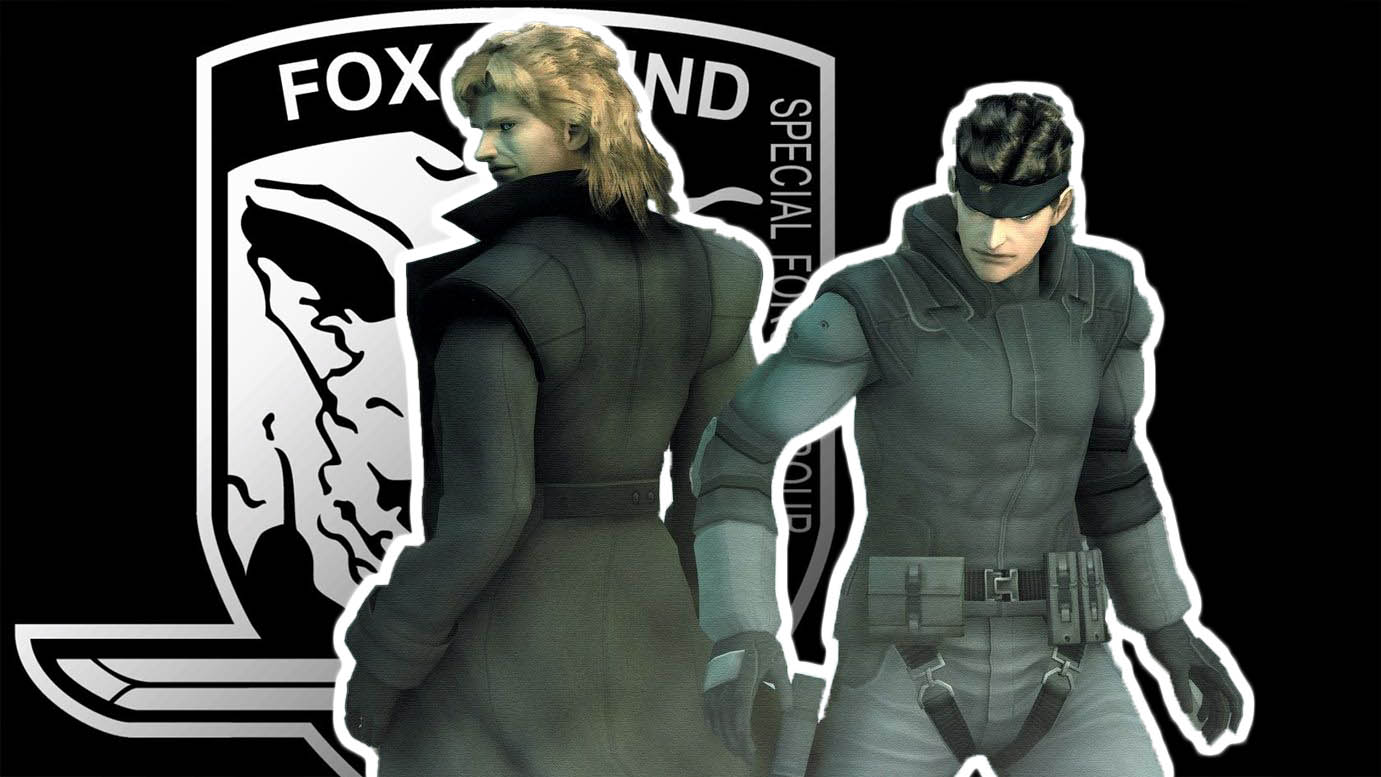
As part of the FOXHOUND unit, Psycho Mantis represents more than just a boss to defeat; he embodies the deeper themes of Metal Gear Solid. His abilities reflect the idea that information can be manipulated and weaponized—similar to how the game’s story revolves around control over nuclear arms and political power. Mantis’s psychic abilities also mirror the game’s overarching themes about how technology and human ambition can collide in destructive ways.
In comparison to other bosses in the game, such as Sniper Wolf or Vulcan Raven, Psycho Mantis stands out because his battle isn’t just about combat, but about perception and psychological warfare. The fight makes players question the nature of control and reality, themes that Kojima would explore in even more depth in later games.
Comparison to Other Iconic Boss Fights
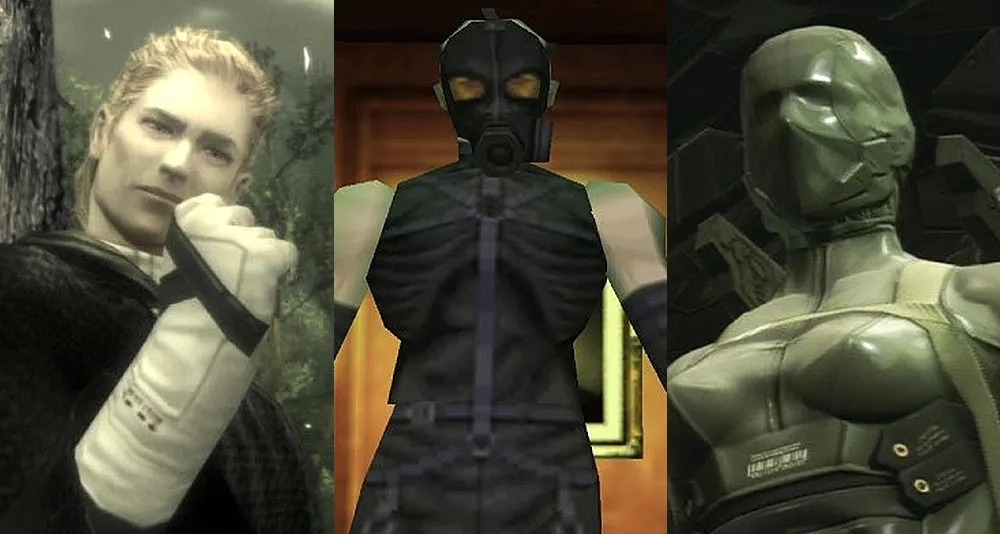
When we compare Psycho Mantis to other legendary boss fights, his uniqueness becomes even more apparent. For instance, consider The End from Metal Gear Solid 3: Snake Eater. This fight was also innovative, as it involved a slow, methodical sniper battle where players could exploit real-time mechanics (such as waiting in-game days for The End to die of old age). Yet, while The End’s fight was an exercise in patience and tactics, Psycho Mantis was about outsmarting both the game and its developer.
Another example would be Sephiroth from Final Fantasy VII. While this battle is emotionally charged and filled with cinematic moments, it’s more of a traditional boss fight where players rely on RPG mechanics to defeat the enemy. Psycho Mantis, on the other hand, directly engages the player on a meta level, which makes the fight feel much more personal.
In recent years, we’ve seen bosses that try to replicate the shock and inventiveness of Mantis’s battle. The Scarecrow segments from Batman: Arkham Asylum are one of the best comparisons, where the game actively messes with the player’s perception by glitching the screen or changing the environment in unexpected ways. However, none have quite captured the perfect blend of narrative, gameplay, and immersion the way Psycho Mantis did.
Impact on Gaming
It’s hard to overstate the impact of Psycho Mantis. The fight not only showcased what video games could achieve, but also changed the way developers thought about storytelling in interactive media. Kojima’s bold approach to bending the rules of gameplay and narrative helped inspire a new generation of game designers. Games like Undertale and The Stanley Parable, which directly address the player or break the fourth wall, can trace part of their DNA back to this one moment in Metal Gear Solid.
The Legacy of Psycho Mantis
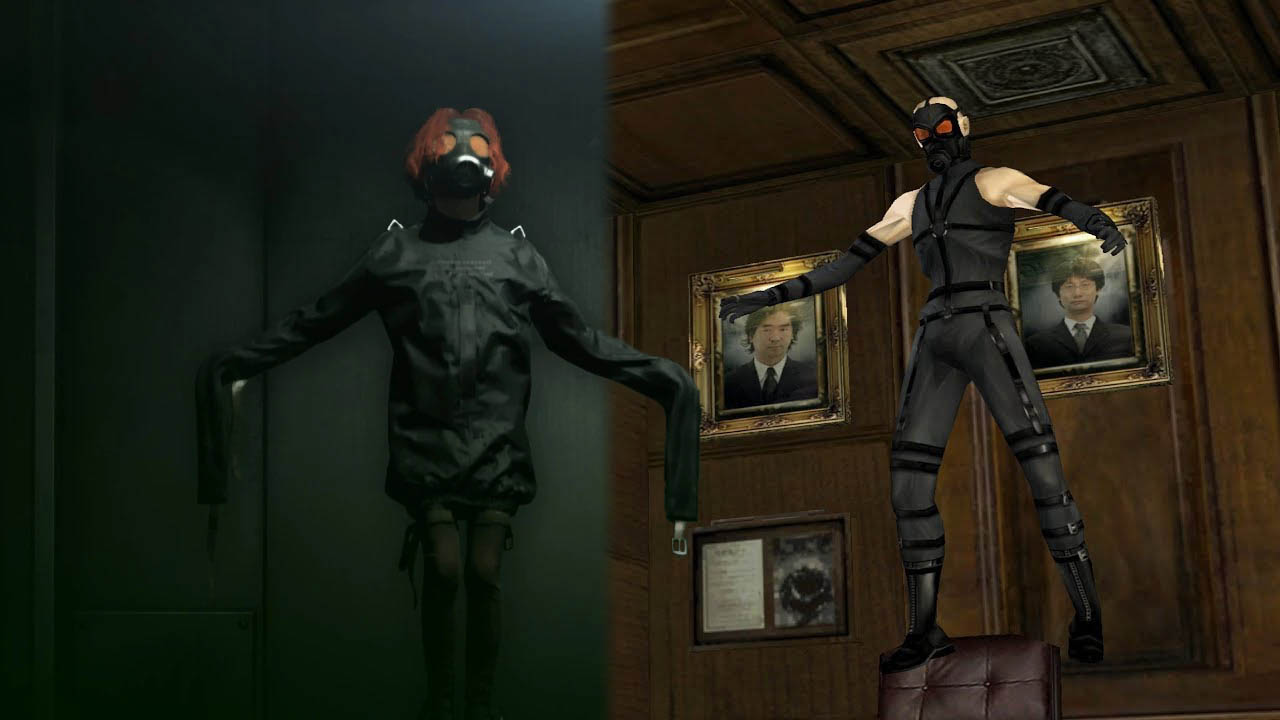
As we reflect on the legacy of Metal Gear Solid and its impact, Psycho Mantis remains one of the most enduring parts of the game. While Kojima would go on to push boundaries in titles like Death Stranding, this boss fight is still one of his most celebrated achievements. In a time when most games focused solely on graphical power or basic gameplay mechanics, Psycho Mantis showed that video games could be so much more—they could be a medium for complex storytelling, deep psychological exploration, and groundbreaking interaction.
The influence of this battle has even been felt in the remake, Metal Gear Solid: The Twin Snakes, where updated graphics and mechanics still couldn’t overshadow the sheer genius of that original moment when Mantis reads your memory card.
In summary, the Psycho Mantis boss fight is a milestone in gaming history, a moment that not only defined Metal Gear Solid but helped redefine what video games could be. Its blend of fourth-wall-breaking mechanics, deep narrative elements, and psychological depth make it one of the most intriguing and memorable boss fights ever crafted. No other boss battle has managed to replicate the same level of innovation, and it remains a gold standard for creativity in game design.