

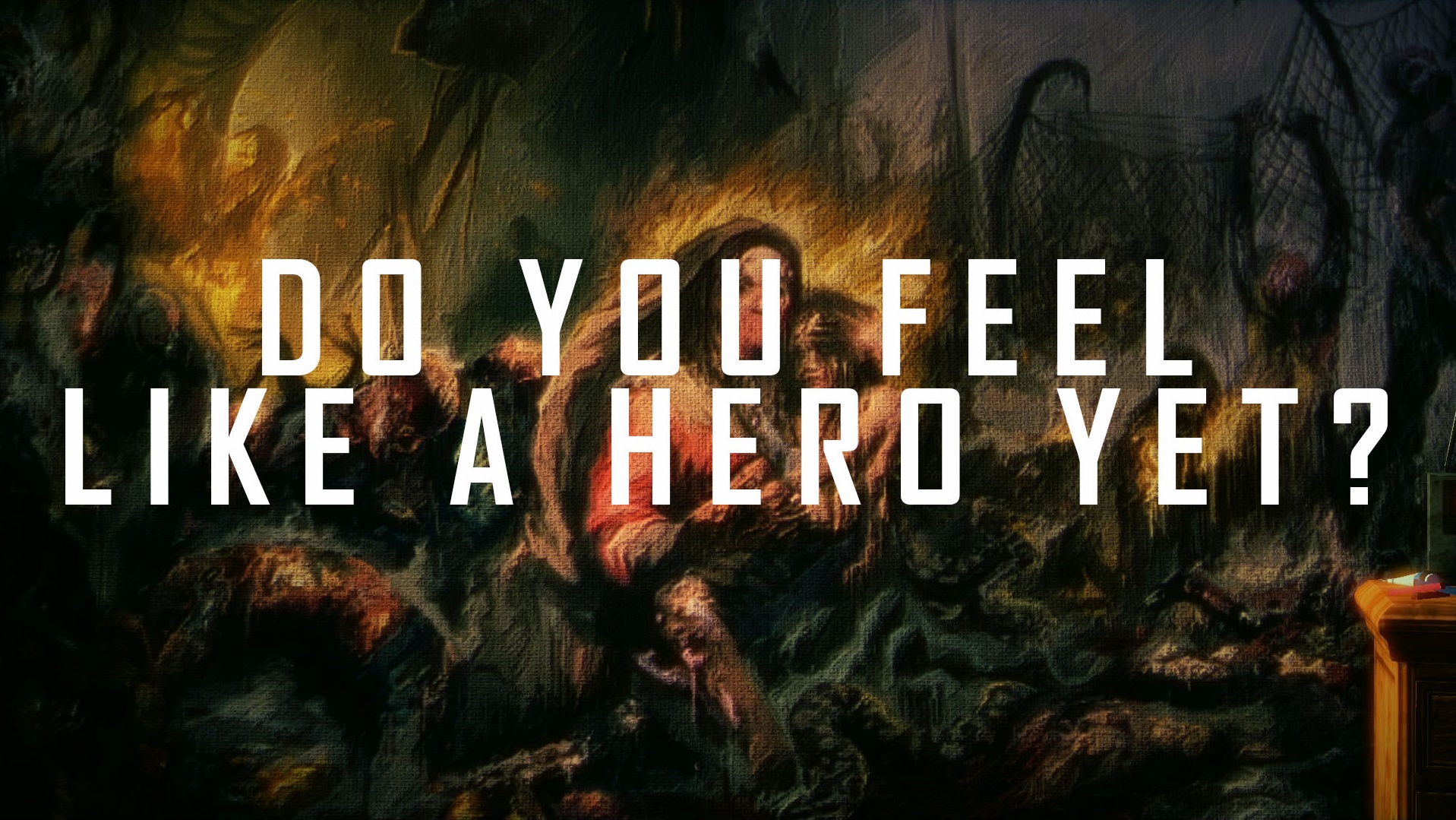
Spec Ops: The Line stands out in the crowded world of military shooters, offering a hauntingly realistic portrayal of war that dives deep into the psychological toll it takes on soldiers. While many war games focus on action-packed combat, Spec Ops: The Line takes a different approach, focusing on the horrors of war, moral ambiguity, and the emotional burden carried by those involved in violent conflict. Inspired by Joseph Conrad’s novella Heart of Darkness, the game’s story is a modern adaptation of the journey into moral decay, set in a war-torn Dubai. It’s a powerful narrative that explores how war twists human nature and blurs the line between good and evil.
The Realism of War in Spec Ops: The Line
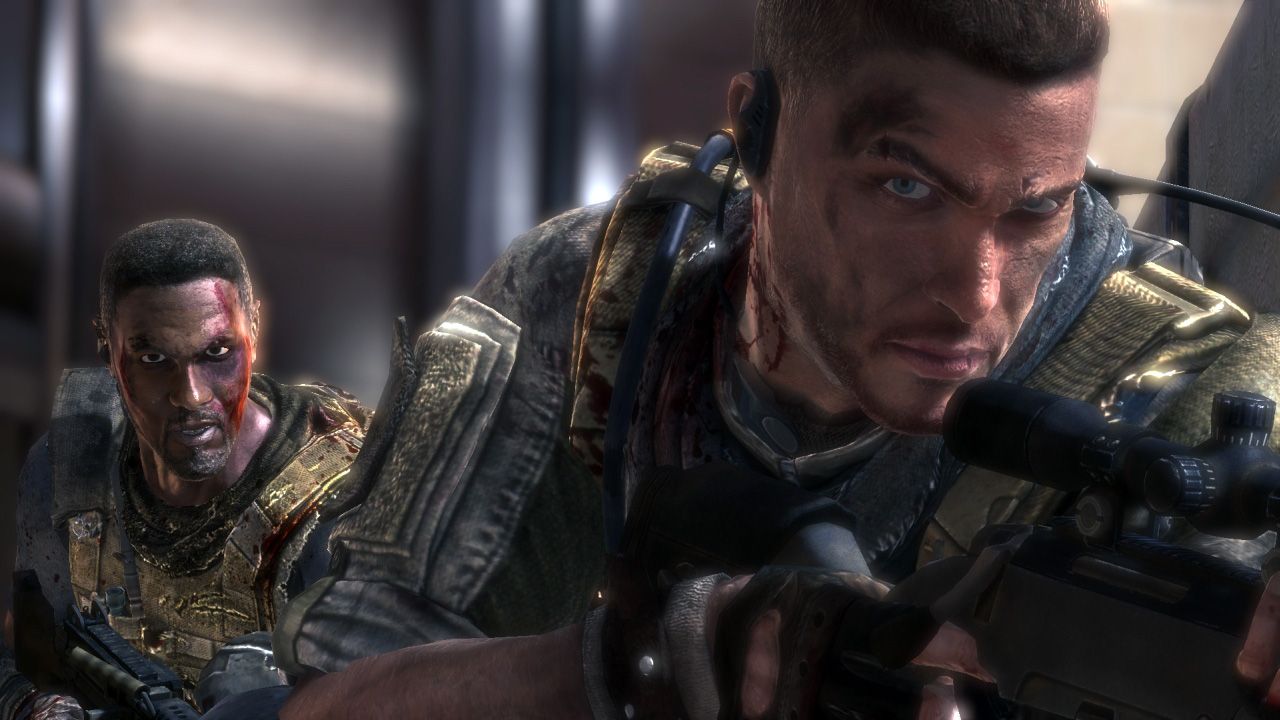
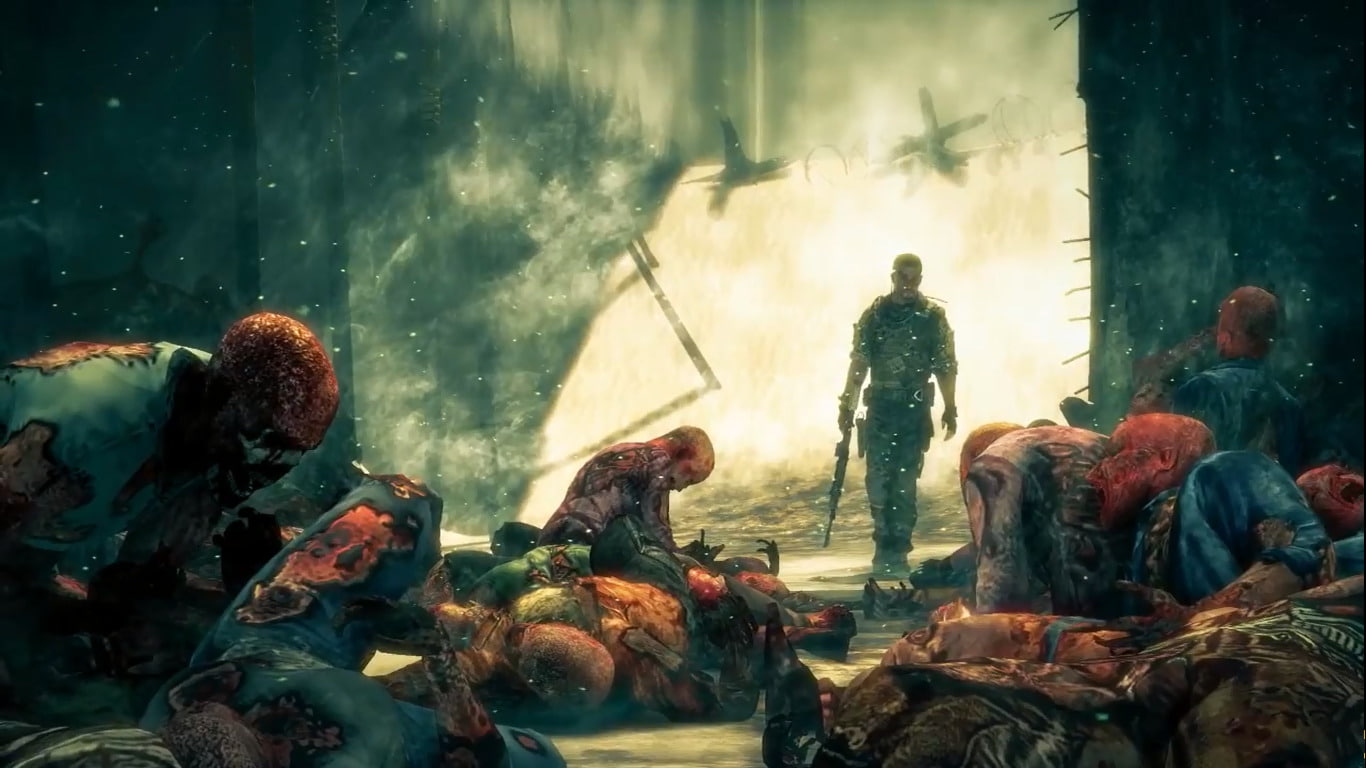
What sets Spec Ops: The Line apart is its unflinching depiction of war’s brutality and complexity. The game doesn’t glorify war as many shooters tend to do. Instead, it portrays the chaos, confusion, and moral dilemmas that soldiers face on the battlefield. As players control Captain Martin Walker, the game steadily challenges them with difficult choices—none of which have a clear right answer. Rather than being a traditional hero, Walker’s journey shows the mental unraveling that can come with combat, highlighting how soldiers are deeply affected by their actions.
The setting, a sand-ravaged Dubai, further intensifies the sense of isolation and confusion. The war-torn city becomes a metaphor for Walker’s mental state, as the beautiful and pristine facade of Dubai is shattered, just as his sense of duty and righteousness crumbles. This use of the environment adds layers of psychological depth to the gameplay, reinforcing the idea that in war, not everything is as it seems.
A Modern Heart of Darkness
Spec Ops: The Line draws heavy inspiration from Heart of Darkness, one of the most influential stories about the human condition. Much like Marlow’s journey into the heart of the Congo to find Kurtz, Walker’s mission to locate Colonel John Konrad is a descent into madness. Both narratives explore the effects of isolation, power, and moral disintegration on men in extreme circumstances. Konrad, like Kurtz, was once a respected leader who becomes disillusioned and detached from reality, crossing into morally ambiguous territory in his attempts to do what he believes is right.
The parallels between Heart of Darkness and Spec Ops: The Line are evident in how both works challenge the idea of heroism. Rather than offering a clean, heroic story, the game forces players to confront uncomfortable truths about the nature of violence, control, and the darkness that can reside in every human being when pushed to their limits. The game’s adaptation of Conrad’s themes to a modern war setting makes its narrative feel timeless, while also relevant to the consequences of military interventions in the real world.
Complex Characters and Gripping Plot
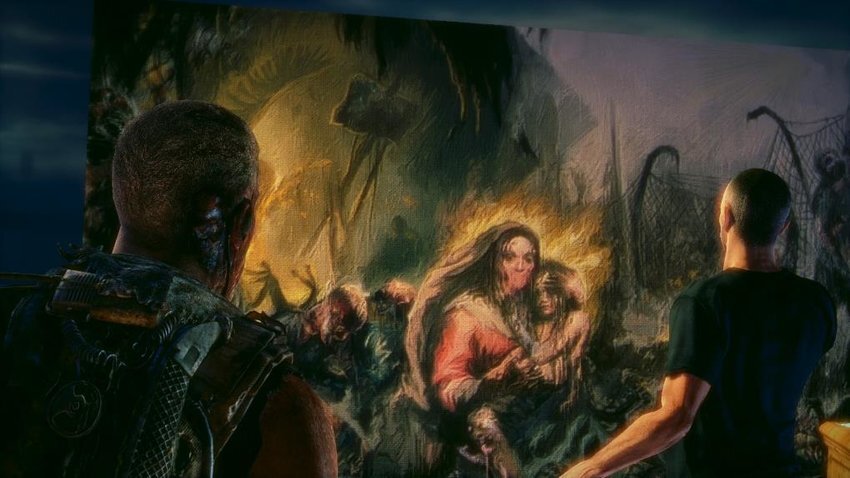
At the core of Spec Ops: The Line is its masterfully written plot and characters. Captain Martin Walker starts as a typical war hero, but as the story unfolds, he becomes a far more complex figure. His growing obsession with completing the mission, combined with his deteriorating mental state, makes him an unreliable protagonist. The further players progress, the more Walker’s motivations are called into question—are his actions truly for the greater good, or is he driven by ego and guilt?
Colonel Konrad, the game’s Kurtz-like figure, is equally compelling. A respected officer who loses his way in the chaos of the Dubai disaster, Konrad represents the consequences of unchecked power and the fragility of the human mind in extreme conditions. His character forces players to grapple with moral ambiguity, as his downfall isn’t simply a case of good versus evil but rather a result of his attempt to do what he thought was necessary in impossible circumstances.
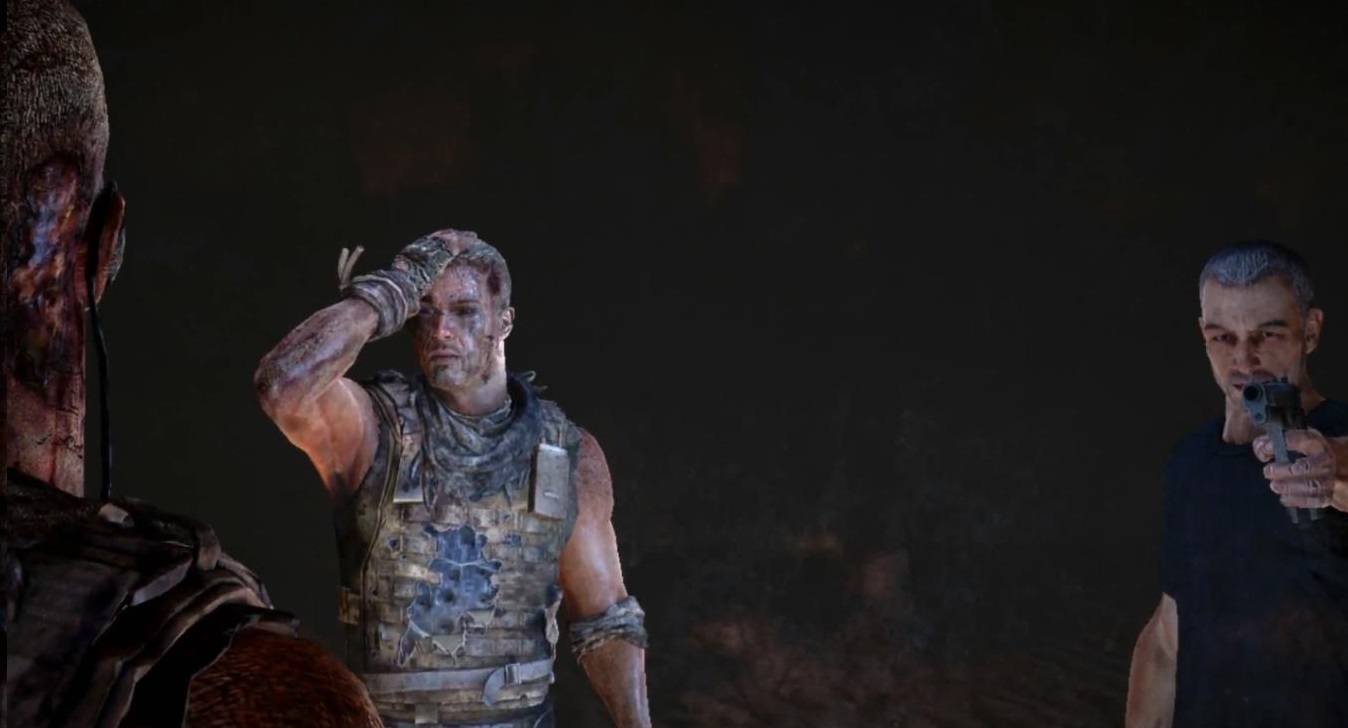
The supporting characters, Walker’s squadmates Adams and Lugo, add emotional weight to the story. Their shifting loyalty and growing concern about Walker’s behavior reflect the broader themes of duty and sacrifice, as they too are forced to reckon with the horrors of war and their role in it. The interplay between the squad’s dynamic and the increasingly chaotic events in Dubai adds tension and depth to the narrative, making each decision feel more significant.
A Story That Stays with You
What truly makes Spec Ops: The Line special is its ability to stay with players long after they’ve put the controller down. The game’s dark, emotionally charged story, along with its hard-hitting moral dilemmas, forces players to reflect on their own actions and question the nature of violence and heroism. Unlike most games where players are rewarded for their efforts, Spec Ops: The Line confronts them with the uncomfortable reality that not every mission ends in victory, and not every soldier comes home unscathed.
By blending a thought-provoking narrative, complex characters, and a brutally realistic depiction of war, Spec Ops: The Line transcends the traditional shooter genre. It’s a game that doesn’t shy away from exploring the darkest corners of the human mind, much like the novella it was inspired by. For anyone looking for a deeper, more meaningful gaming experience, Spec Ops: The Line remains a must-play, offering not only intense action but also a sobering reflection on the cost of war.