Co-op games have always held a special place in gaming, fostering collaboration and teamwork in ways that solo experiences can’t. They create opportunities for shared stories, split-second decision-making, and unforgettable moments that often strengthen friendships. Whether you’re solving puzzles, strategizing in battles, or simply working together to reach a common goal, co-op games elevate the gaming experience through communication and mutual reliance. “A Way Out” takes this to the next level, pushing players to form deeper bonds as they navigate an emotional, cooperative journey together.
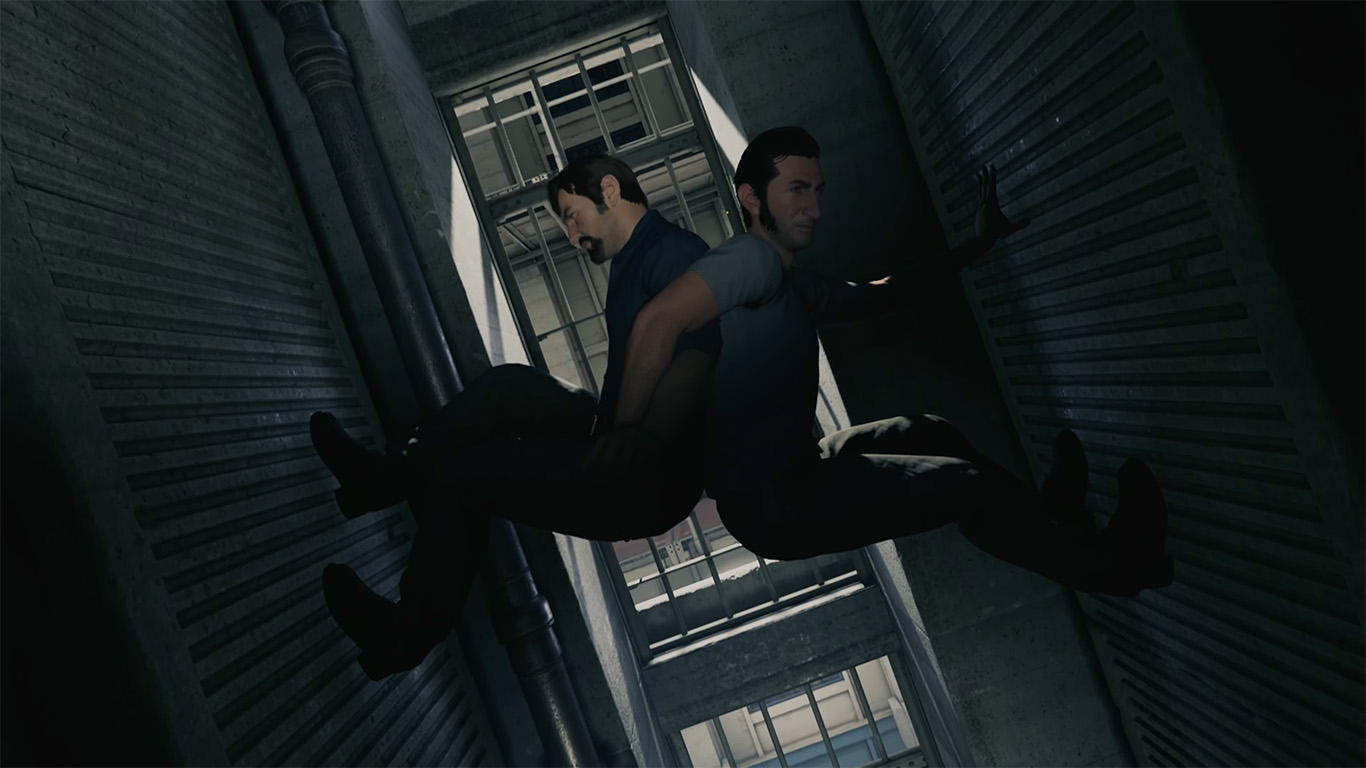
“A Way Out” offers a unique take on the prison break genre, with a plot centered around two inmates, Leo and Vincent, who join forces to escape. While prison break stories are common, the game’s emphasis on cooperation gives the narrative a fresh feel. Leo is brash, quick to act, and driven by his desire for revenge, while Vincent is more calculated, with his own motives for breaking out. The game’s storytelling is interactive, allowing players to explore the characters’ pasts, uncover secrets, and make decisions that shape the journey. The dual narrative builds tension and curiosity, with both characters’ perspectives contributing to the development of the story. There’s an emotional depth that emerges, as we see the bond between the two men grow beyond their initial shared goal of escaping. From quiet moments of dialogue to high-octane chase sequences, the story feels like a movie in which the players are deeply invested.
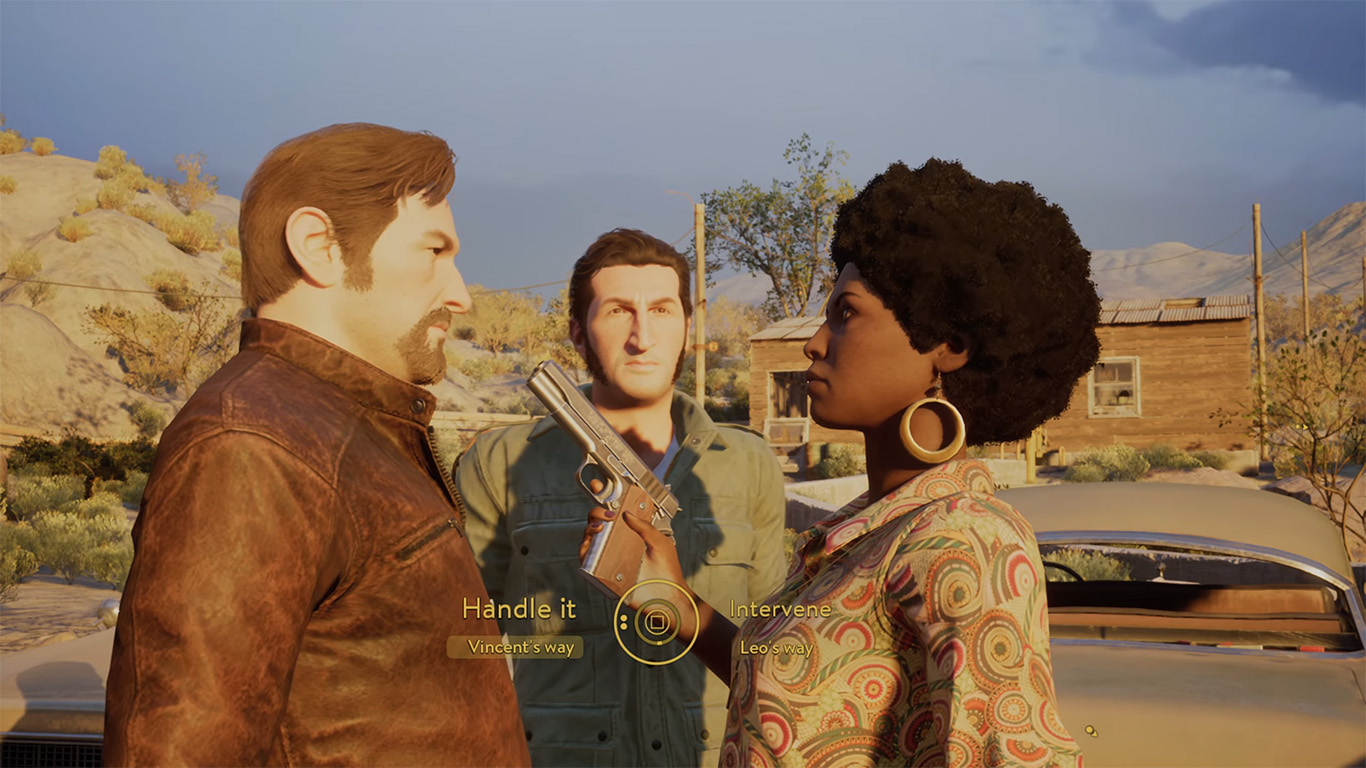
Leo and Vincent are the heart of A Way Out, and their dynamic is what drives the entire experience. Leo, with his hot-headed attitude and streetwise approach, constantly pushes forward, while Vincent, the more strategic of the two, takes a measured path. As players, you can’t help but relate to both, as their personalities evolve and their backstories unfold. What’s brilliant is how their relationship is shaped by cooperation. The game forces both players to rely on one another, whether it’s in puzzle-solving, covering each other during a gunfight, or even working together to escape in time-sensitive situations. The characters’ differences make their partnership compelling—Leo’s impulsiveness contrasted with Vincent’s planning keeps the gameplay and story constantly evolving. But it’s the quieter moments, like sharing stories or contemplating their futures, that really humanize them. By the end, you feel invested in their fate, not just as characters in a game, but as two people you’ve grown to know.

While A Way Out may not push the boundaries of graphical realism, its visual style supports the emotional and cinematic tone of the story. The prison interiors are grimy and claustrophobic, fitting the tense atmosphere of the early part of the game. As the story progresses, the game expands into a wide array of environments—from dense forests and riversides to dusty roads and rural towns. Each environment helps to create a different mood, immersing players deeper into the storyline. Though some textures might not be hyper-realistic, the game’s use of lighting, shadows, and camera angles elevates the experience, giving it a cinematic quality. The camera work, especially, deserves praise. At times, it splits into two to show the simultaneous actions of both characters, while at other moments it merges back to emphasize key moments, blending story with action seamlessly.
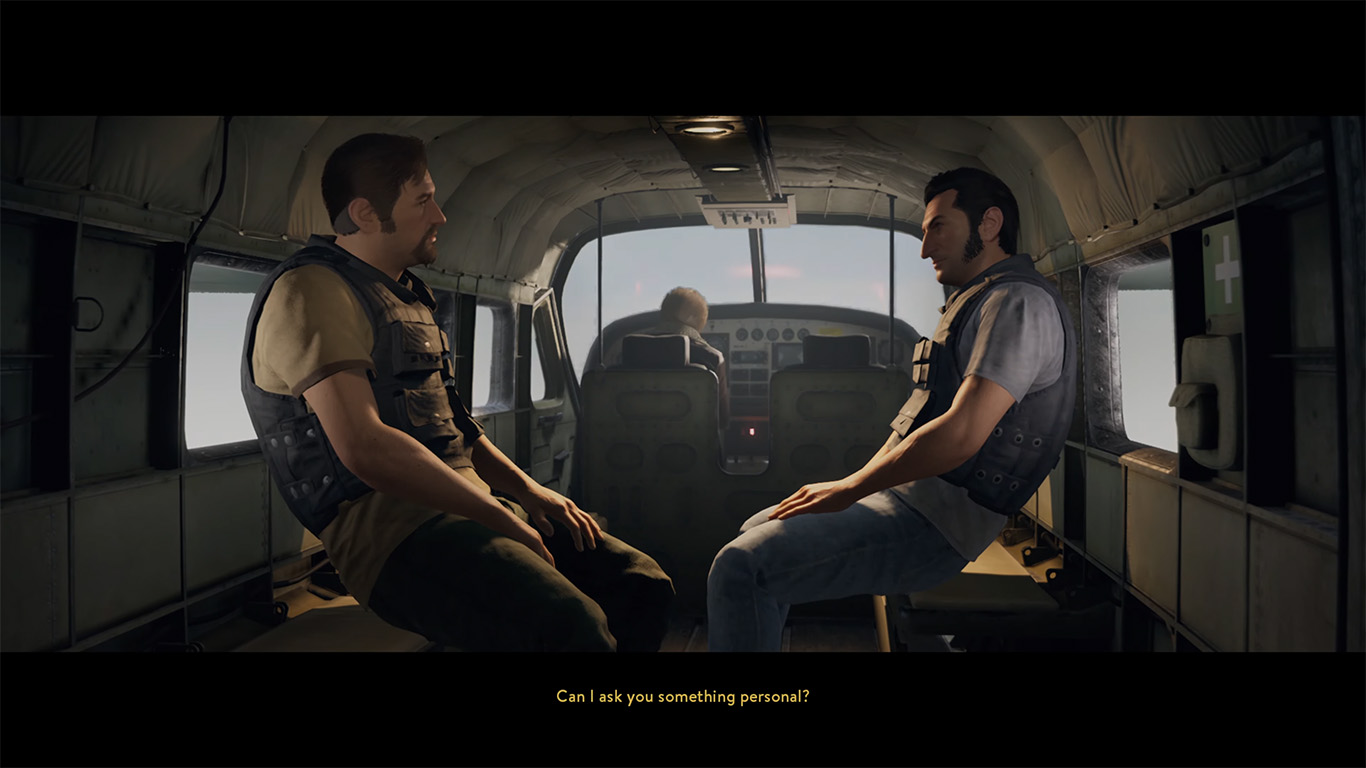
One of the strongest aspects of A Way Out is its pacing. The game balances fast-paced action with moments of reflection, ensuring players stay engaged while giving time to digest the story. Whether you’re sneaking through prison corridors, engaging in high-speed chases, or solving cooperative puzzles, the pace never feels rushed or drawn out. The transitions between moments of high tension and calm are smooth, keeping the emotional intensity consistent throughout. The ending is a masterclass in storytelling. Without giving away spoilers, it forces players to confront the bond they’ve built over the course of the game. It’s a powerful narrative twist that feels like a punch to the gut, making the players question everything they’ve done together. The emotional payoff in the final act is rare in cooperative games, and it serves as a reminder that A Way Out is as much about the story as it is about the gameplay.
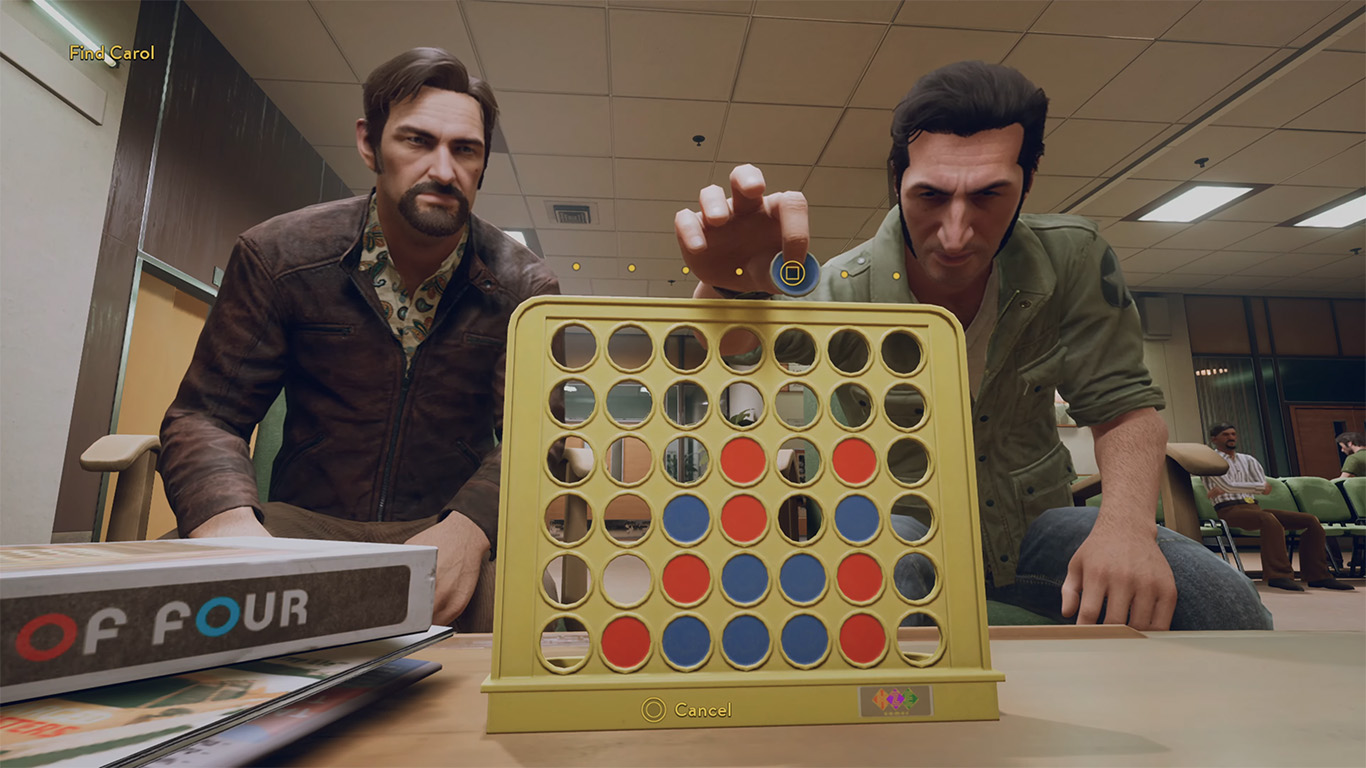
The core design of A Way Out is built around cooperation. You cannot play this game alone—it’s designed for two players, either locally or online. This forces a level of communication and teamwork that few games can replicate. Whether you’re working together to solve puzzles, synchronizing button presses, or deciding on a plan of action, you and your partner are constantly interacting. This creates a bond between players, especially if you’re playing with a close friend. The game gives you moments where your actions impact each other directly. This leads to a unique form of storytelling, where the journey isn’t just Leo and Vincent’s, but also the players’. By the time the credits roll, it’s not just about escaping prison—it’s about the emotional bond formed between two people, both in-game and in real life.

A Way Out isn’t just a game about breaking out of prison. It’s a beautifully crafted experience that relies on cooperation, friendship, and emotional storytelling. Through its innovative split-screen design, dynamic characters, and an ending that hits hard, it offers an unforgettable journey for two players. More than just a fun co-op experience, it’s a game that tests the strength of bonds and leaves both players with memories they won’t forget.
You can try the games for yourself on your desired platform from the links above: