For decades, two names have dominated the survival horror genre: Silent Hill and Resident Evil. These iconic franchises didn’t just redefine what it means to experience horror in gaming—they sparked a rivalry that pushed the genre forward in ways no one could have predicted. From eerie atmosphere to heart-pounding action, Silent Hill and Resident Evil left a lasting impact that continues to influence games to this day. But how did these franchises shape horror, and how did their competition help mold the genre?
The Birth of Survival Horror: Resident Evil’s Early Lead
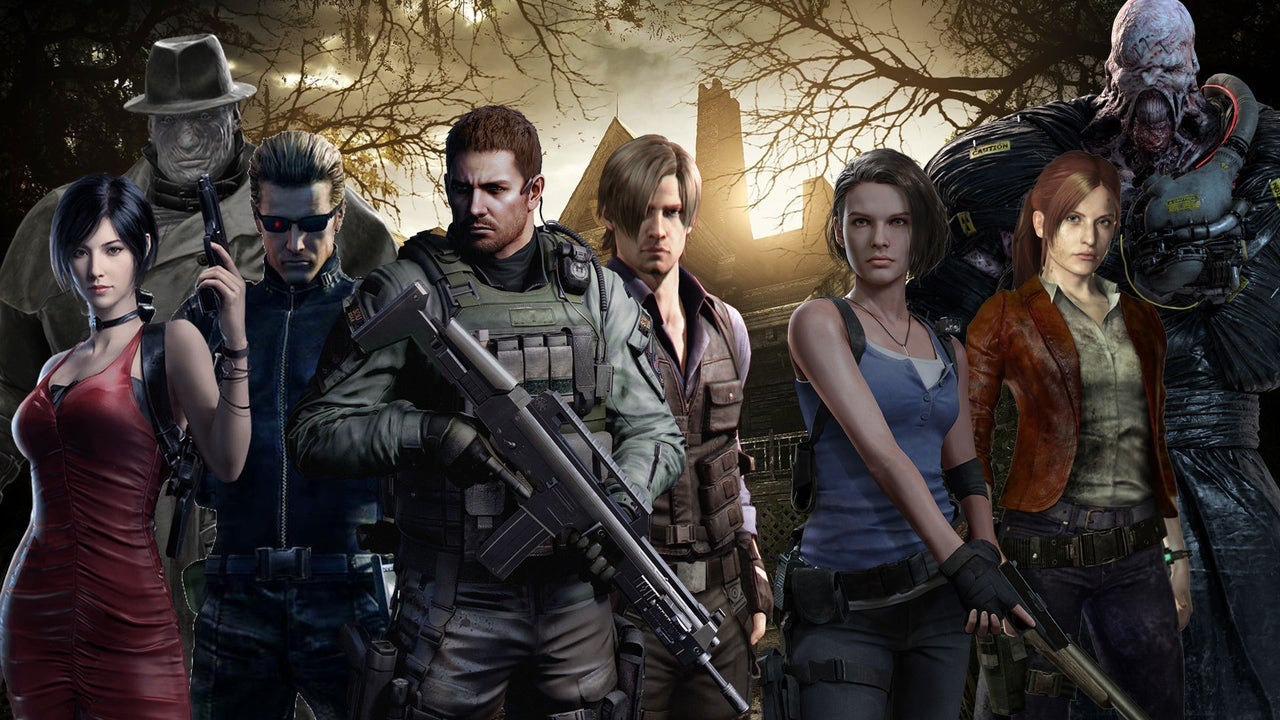
In 1996, Resident Evil emerged on the scene as a defining moment for survival horror. Developed by Capcom, the game introduced players to the infamous Spencer Mansion, where limited resources, jump scares, and claustrophobic environments created a nerve-wracking experience. Resident Evil popularized the genre’s core mechanics, from its puzzle-solving elements to its resource management, and birthed the term “survival horror” itself.
The game’s success quickly led to sequels, with Resident Evil 2 (1998) amplifying the series’ reach. It introduced players to Raccoon City and solidified the franchise’s formula: zombies, bio-weapons, and apocalyptic scenarios—all accompanied by a creeping sense of dread. Resident Evil established itself as a dominant force in the horror genre, but it wasn’t long before another contender arrived on the scene.
The Rise of Psychological Horror: Silent Hill’s Challenge
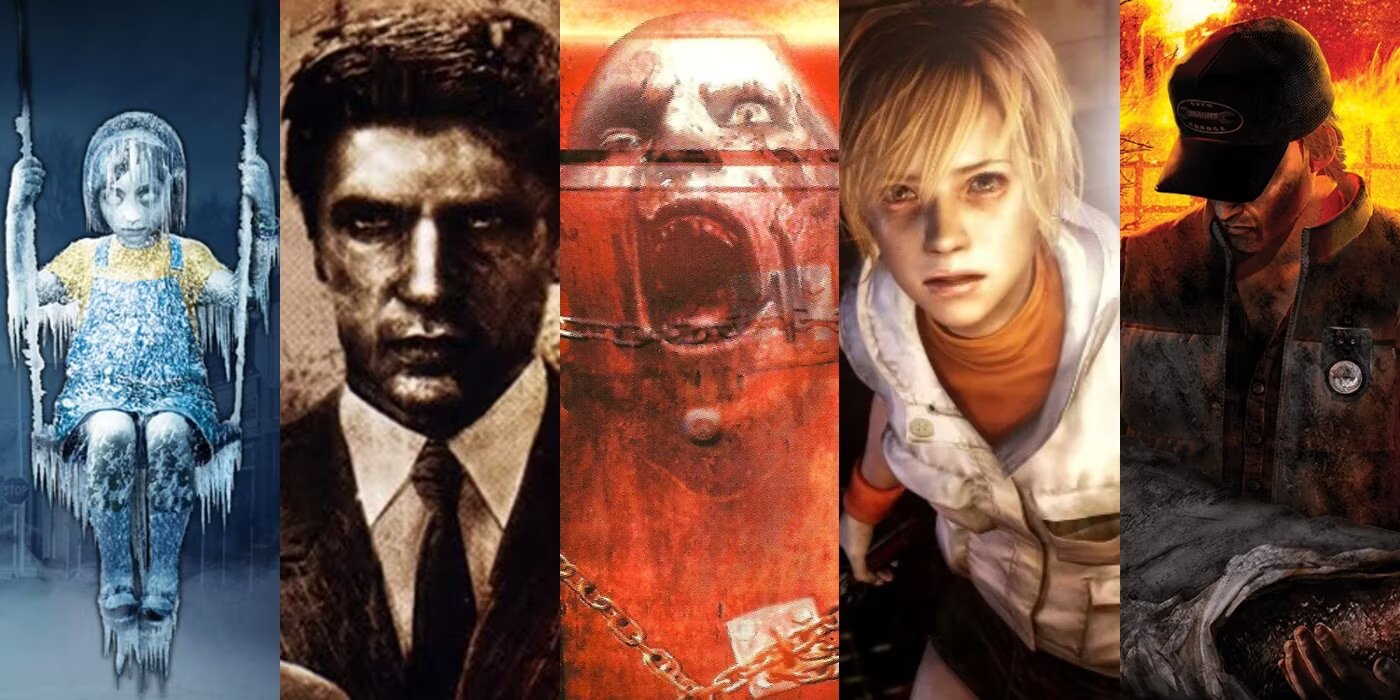
In 1999, Konami’s Silent Hill offered a completely different take on horror. While Resident Evil focused on tangible threats like zombies and mutated creatures, Silent Hill brought psychological horror to the forefront. Its eerie fog-covered town, disturbing creatures, and emphasis on the psychological torment of its characters created a deeply unsettling experience that lingered long after the game was turned off.
Silent Hill introduced players to more ambiguous horror, relying on symbolism, unsettling sound design, and abstract storytelling. The monsters were often representations of the protagonist’s psyche, blurring the line between reality and nightmare. This emotional and cerebral approach gave Silent Hill a unique edge, setting it apart from the action-heavy tone of Resident Evil.
Diverging Paths: Action vs. Atmosphere

As both franchises expanded, their paths began to diverge. Resident Evil leaned more into action with the release of Resident Evil 4 (2005). This entry redefined third-person shooters and became one of the most influential games of its time, blending action and horror in a way that resonated with a wider audience. While it strayed from its survival horror roots, its innovative gameplay and over-the-shoulder camera system set new standards for the genre.
Meanwhile, Silent Hill stuck to its psychological horror foundations. Silent Hill 2 (2001) is often considered the pinnacle of the franchise, delivering a haunting narrative that explored guilt, grief, and trauma. Where Resident Evil was evolving into a more action-oriented franchise, Silent Hill remained committed to disturbing, slow-burning horror.
Competition that Pushed the Genre Forward
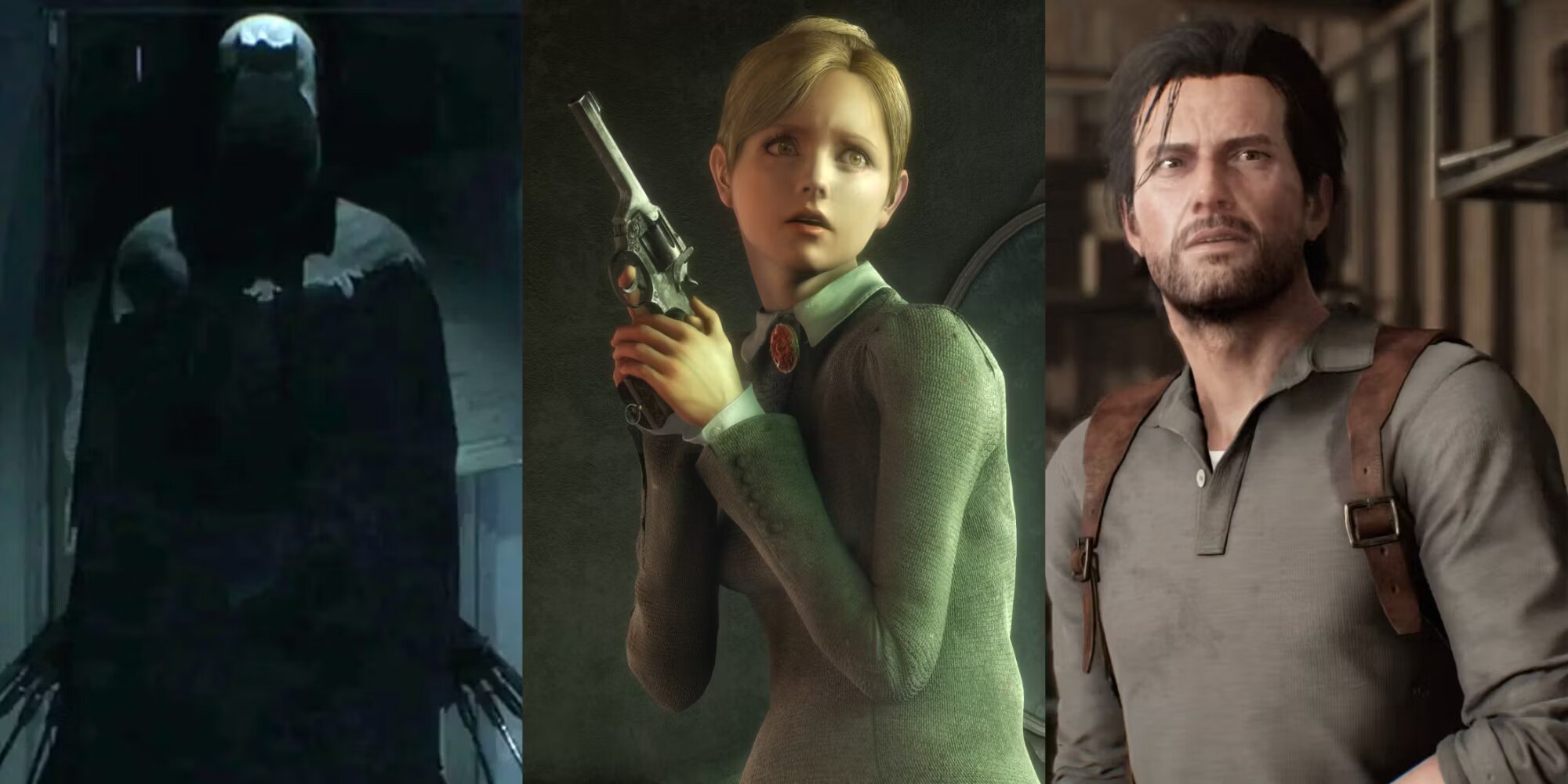
While the franchises developed in different directions, their competition was crucial in shaping the broader horror genre. Capcom and Konami, aware of each other’s successes, continually pushed boundaries to keep their games relevant and terrifying. The success of Resident Evil 4’s action-horror led to Silent Hill experimenting with more cinematic gameplay in later entries like Silent Hill: Homecoming (2008), while Resident Evil responded to Silent Hill’s atmospheric storytelling by incorporating more narrative depth in its later titles.
The rivalry pushed both series to innovate, keeping the horror genre fresh even as gaming technology evolved. From sound design to visual storytelling, each franchise influenced the other’s development. Even though they catered to slightly different audiences—Resident Evil for action horror fans and Silent Hill for those who preferred psychological dread—their back-and-forth set the standard for modern horror games.
Decline and Revival: Where Are They Now?
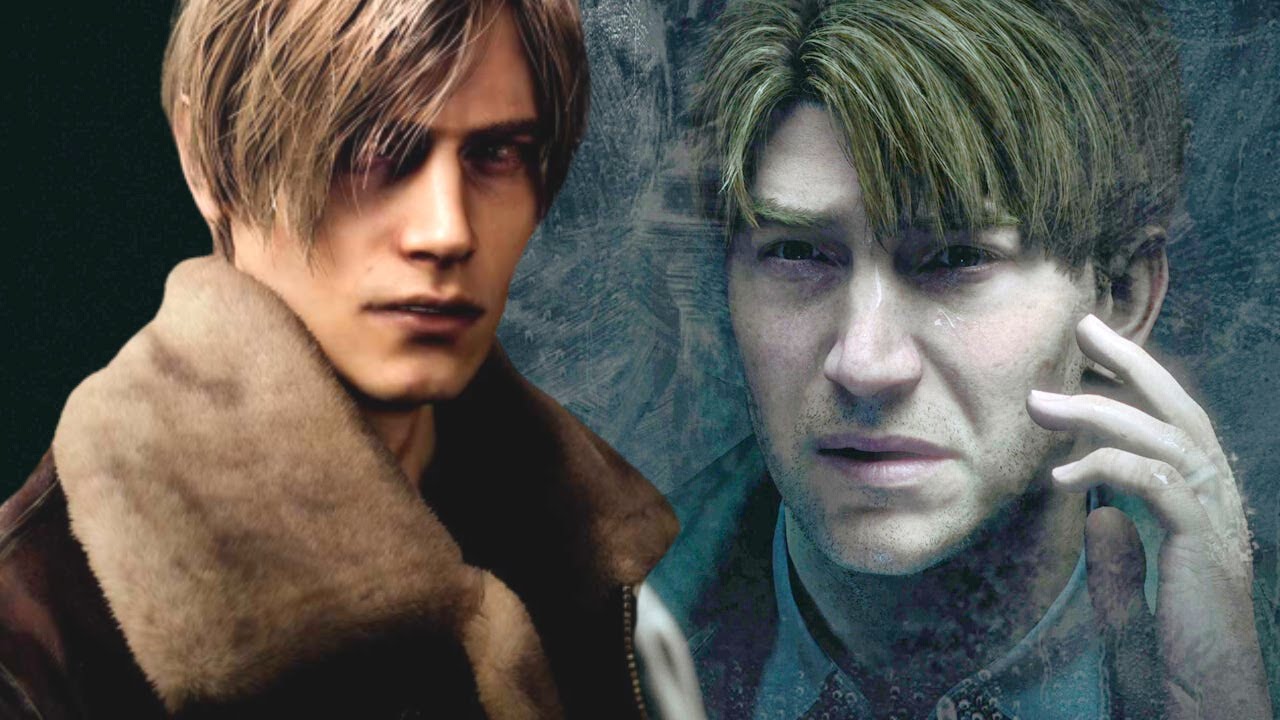
As the 2010s approached, both series began to struggle. Resident Evil faced criticism for leaning too heavily into action with Resident Evil 5 and Resident Evil 6, losing some of its horror identity. Silent Hill suffered from inconsistent quality, with multiple developers taking the reins and failing to capture the magic of the original games.
However, the horror genre saw a resurgence in recent years, fueled by a return to roots. Resident Evil 7: Biohazard (2017) brought the series back to its survival horror origins with a terrifying first-person perspective, while the remakes of Resident Evil 2 and Resident Evil 4 have been critically acclaimed, showing that there’s still a huge appetite for classic horror experiences. On the other hand, Silent Hill had been dormant for years—until the announcement of Silent Hill 2’s remake and new titles like Silent Hill F, signaling a long-awaited return for the franchise. Fans are excited to see if Konami can recapture the psychological horror that made Silent Hill iconic.
The Legacy of Silent Hill and Resident Evil
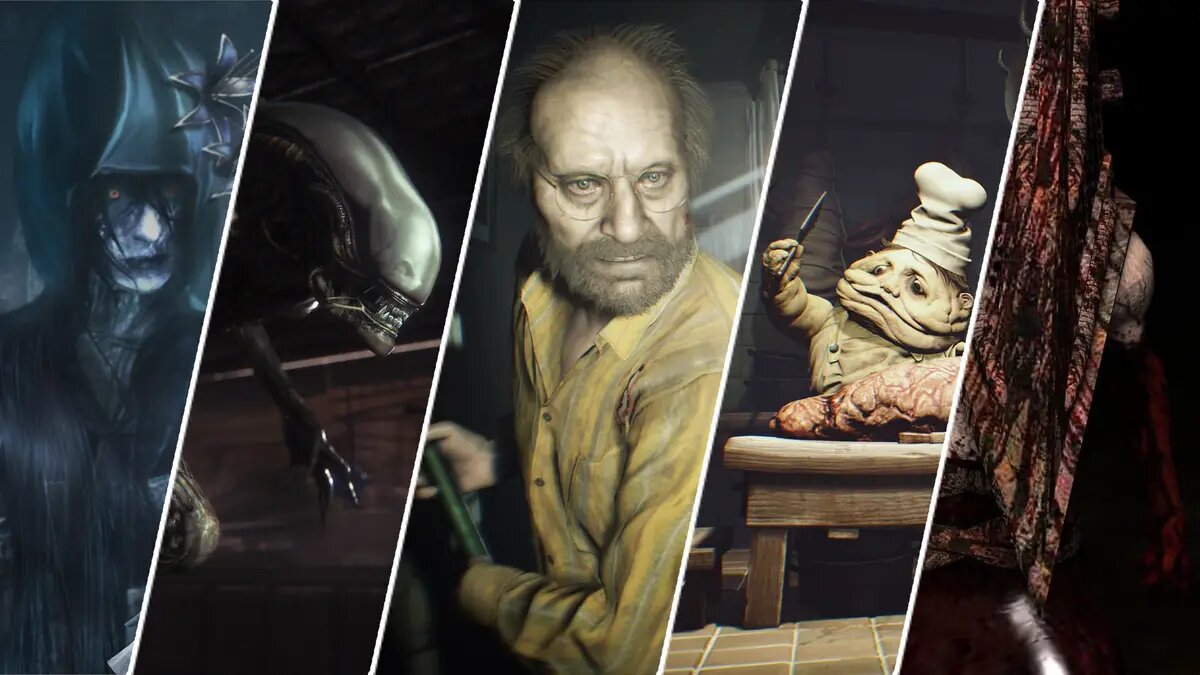
The impact of both Silent Hill and Resident Evil on the horror genre is undeniable. They defined what it means to feel fear in video games, each in their own way—Resident Evil with its relentless action and terrifying creatures, and Silent Hill with its deep psychological horror and unsettling atmosphere.
Their legacy lives on in modern horror games like The Last of Us, Outlast, and Dead Space, all of which draw inspiration from the tension and terror these franchises built. Whether it’s the resource management and tension of Resident Evil, or the haunting psychological terror of Silent Hill, these two titans of horror continue to cast a long shadow over the genre they helped shape.