


Alien: Isolation, released in 2014, stands as one of the most innovative horror games of its time. Set in the terrifying world of Ridley Scott’s Alien universe, it plunged players into an atmosphere of relentless tension. The game made significant strides not only in its presentation of fear and suspense but also in its pioneering use of advanced AI and microphone inputs, creating a dynamic, almost symbiotic relationship between player and predator.
In the world of horror games, where jump scares and predictable enemy patterns are commonplace, Alien: Isolation set itself apart by making fear feel personal and unpredictable. The alien in Isolation was not just a scripted creature following preset paths—it was guided by two artificial intelligences that worked together to stalk, hunt, and react to the player. Combined with the game’s clever use of microphone input, Alien: Isolation offered a terrifyingly immersive experience that kept players on the edge of their seats.
In Space, Only The One You Don’t Want Can Hear You Scream!
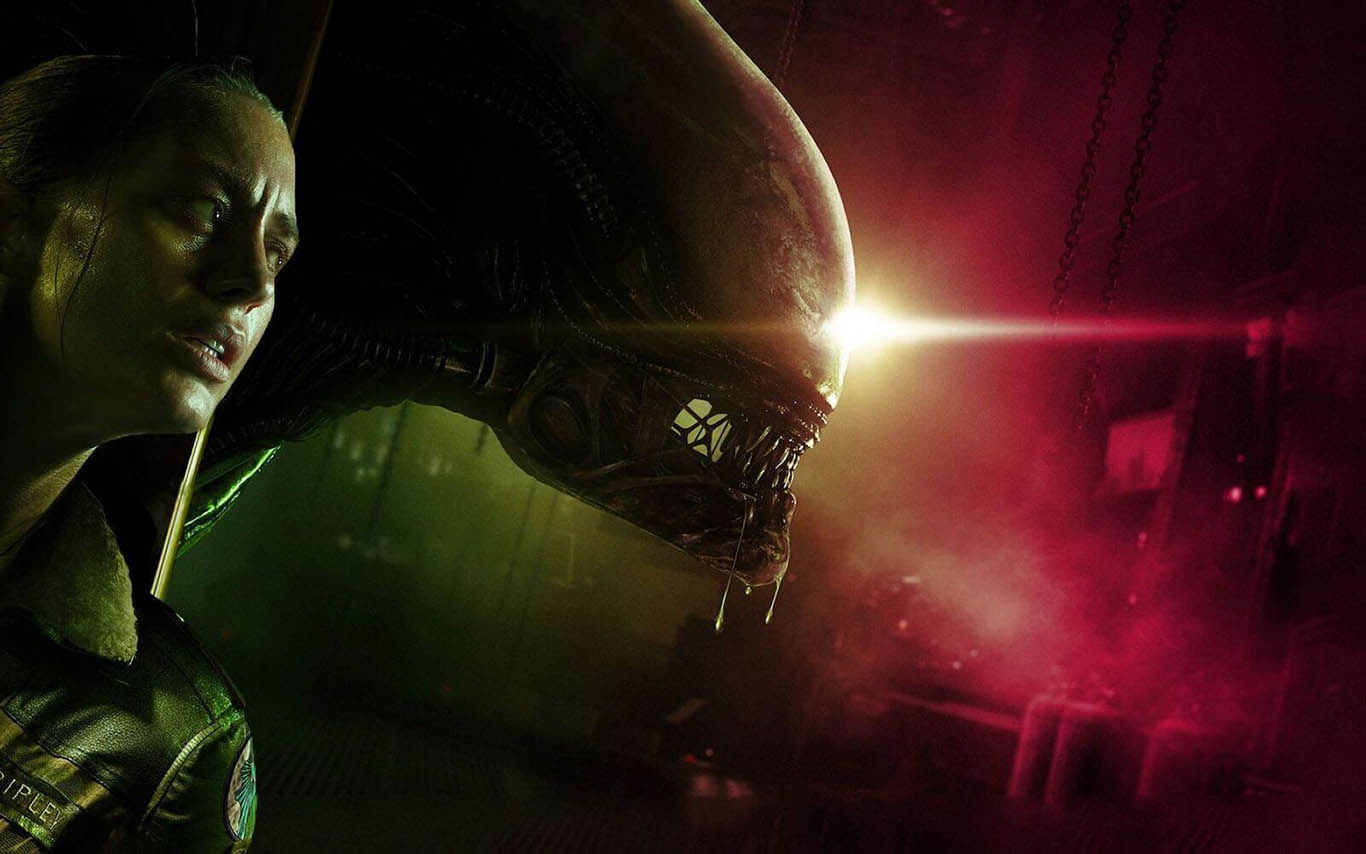
One of the standout features of Alien: Isolation was the innovative use of microphone inputs. The idea was simple but groundbreaking: your real-world noise could alert the alien in the game. If you had a microphone connected to your system, the game would pick up on any sounds in your actual environment and translate them into the game world. If you were hiding from the alien and accidentally sneezed or made too much noise, the alien would pick up on it, heightening the tension tenfold. Every sound you made could be your last.
This feature turned the player’s environment into a part of the game’s mechanics, blurring the line between reality and fiction. The result? Players were more physically and emotionally engaged, often holding their breath in real life as they tried to evade the alien in-game. The sense of immersion was palpable; Alien: Isolation wasn’t just something you played—it was something you lived.
While microphone input wasn’t mandatory, it offered a unique layer of realism. It made you conscious of not just the character’s actions but also your own. Horror games often rely on keeping the player in control, but this feature added an element of unpredictability, giving the alien more opportunities to track you down. The genius of this feature was its ability to instill real-world fear into the player’s movements and sounds, tying them directly into the core gameplay experience.
Double The Brains But The Troubles Get More Than Doubled!
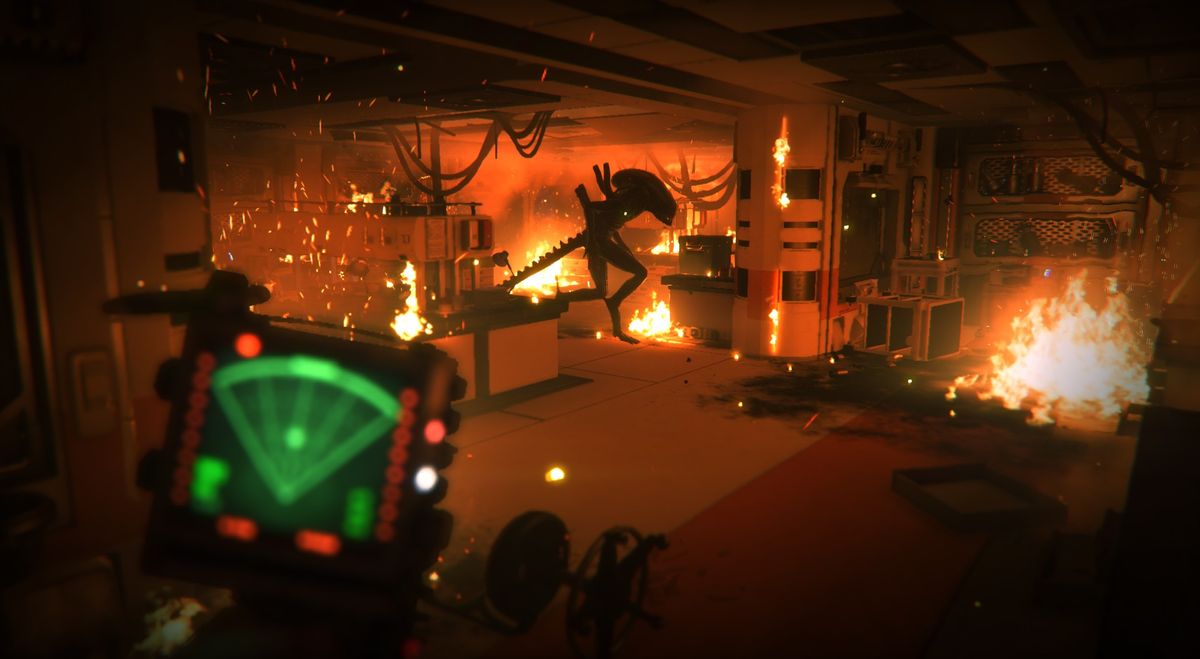
What truly set Alien: Isolation apart from other horror games was the alien’s behavior, which was governed by a unique, dual-AI system. Many games rely on a single AI system to dictate enemy behavior, but Alien: Isolation took it further by creating two separate AIs that worked together to make the alien seem more intelligent, adaptive, and deadly.
The first AI, often referred to as the “Director AI,” had a broader view of the game world. This AI knew where the player was at all times, but crucially, it didn’t share that information directly with the alien. Instead, it guided the alien’s movements, subtly pushing it toward the player’s location without making the pursuit feel too scripted or predictable. This made the alien feel more like a living, breathing hunter, one that was constantly on your trail but not omnipotent.
The second AI controlled the alien’s immediate behavior. This “Behavioral AI” reacted to the player’s actions, environmental sounds, and visual cues. It learned from the player’s movements and decisions, becoming more aggressive or cautious depending on how the player behaved. If you used the same hiding spots too frequently, the alien would start checking them more often. If you used noisemakers to distract it, it would eventually become less easily fooled by them. The combination of these two AIs made the alien feel like an intelligent predator, one that was constantly learning and adapting to the player’s strategies.
This dual-AI system made the alien in Alien: Isolation one of the most terrifying enemies in gaming. It wasn’t just a scripted monster following a linear path—it was a dynamic creature that hunted you in a way that felt organic. The result was that no two encounters with the alien ever felt the same. Each time you faced it, the experience was different, and that unpredictability made the game infinitely more terrifying.
Creating a New Standard for Immersion and Tension
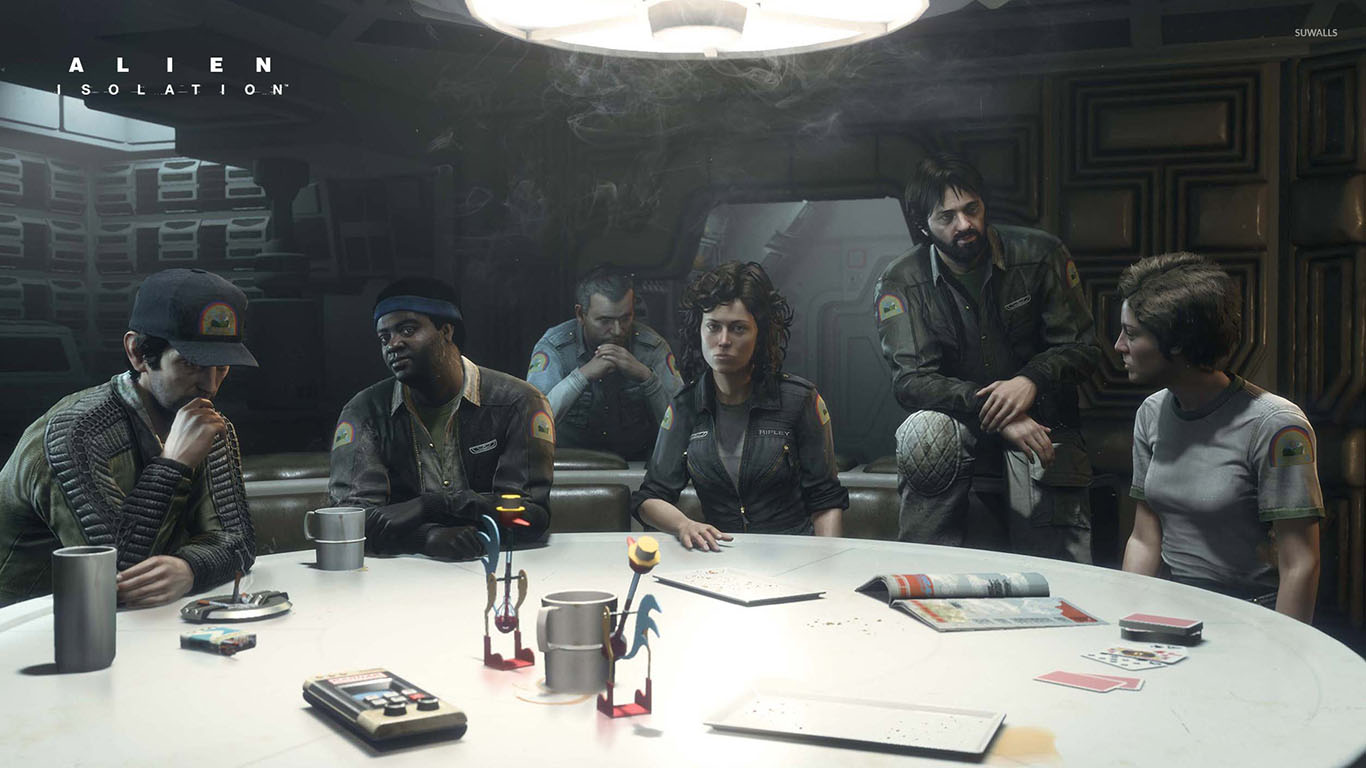
The use of microphone input and the dual-AI system weren’t just gimmicks—they were core components of what made Alien: Isolation such a tense and immersive experience. Together, they created a game where you never felt safe, where the line between the virtual world and the real world was constantly blurred. The alien felt like a genuine threat, one that was always just a step behind you, listening for your next mistake.
Even years after its release, Alien: Isolation remains one of the most effective horror games ever made. The game’s clever AI and innovative use of real-world sound continue to be discussed and studied in the gaming community. Despite its critical success, these features haven’t been replicated on the same scale in many modern games, making Alien: Isolation a rare example of horror that pushes the boundaries of what games can do.
Why We Need This Technology in Future Games
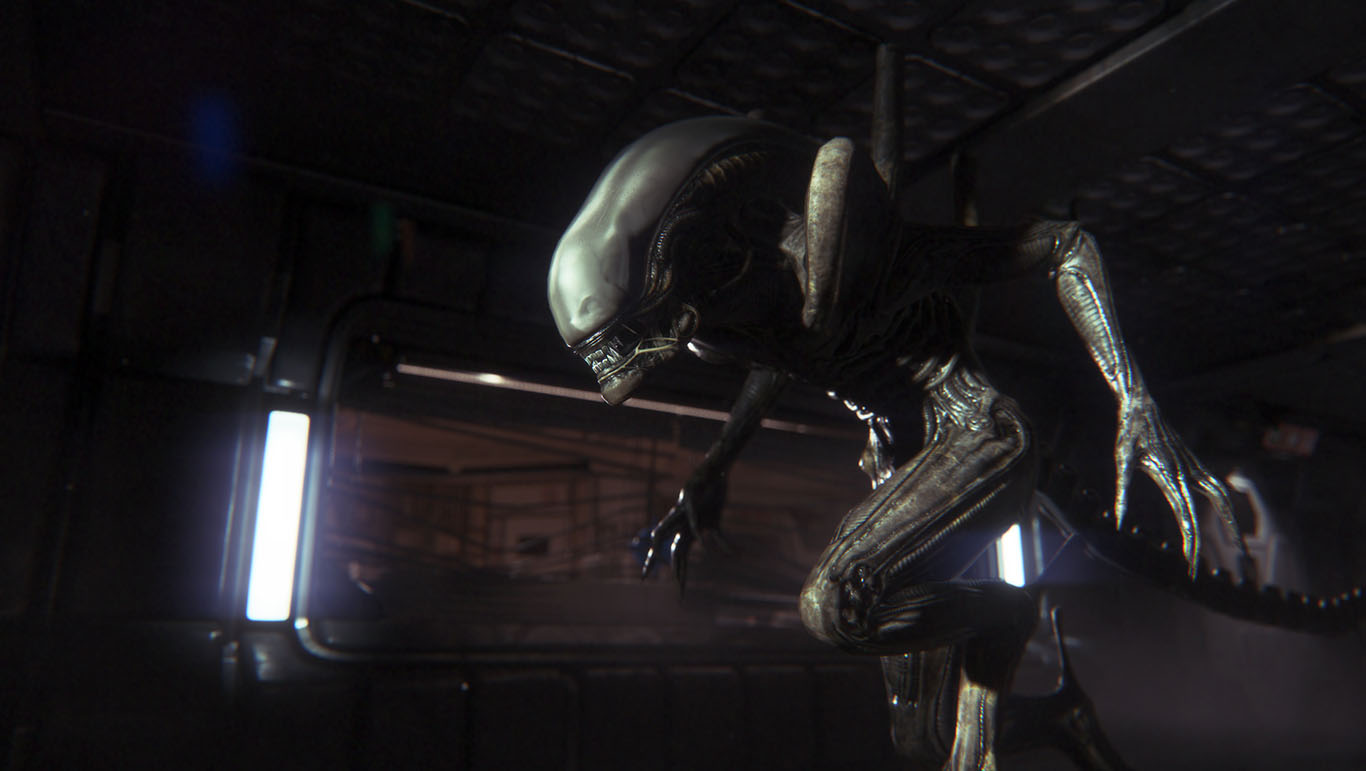
The advanced AI and microphone integration in Alien: Isolation didn’t just create a great horror experience—they laid the groundwork for future innovations in gaming. These features added layers of realism and immersion that could be applied to many other genres. Imagine a stealth game where enemies could hear you breathe or a survival game where predators hunted you by sound. The possibilities are vast, and it’s surprising that more games haven’t experimented with these concepts. luckily for us and after 10 years, we finally got confirmation that a sequel is being made to one of the greatest horror experiences ever. with Creative Assembly confirming it by a tweet on their Twitter/X page. you can see the tweet below:

Looking ahead, as games continue to evolve with new technology, it’s exciting to think about how these ideas could be refined and expanded upon. The future of gaming could bring even more immersive experiences, where player actions in the real world have direct consequences in the game world. If Alien: Isolation proved one thing, it’s that the scariest moments come not just from what’s on the screen, but from how the game world reacts to you.
In conclusion, Alien: Isolation was a masterpiece of tension and innovation. Its use of microphone inputs and dual-AI system created an experience unlike any other, turning every corner into a potential death trap. Whether you’re a fan of the Alien franchise or just a lover of horror games, this title deserves a place in gaming history as one of the most nerve-wracking and well-crafted experiences ever made.