As children, we were filled with boundless energy and curiosity, naturally drawn to explore and try new things. Our youthful curiosity painted the world in vibrant colors, sparking a sense of wonder that drove us to discover all we could. However, as we grow older, our natural inclination for discovery often gives way to logic, responsibility, and routine. While these are essential aspects of adult life, they can gradually replace our childlike sense of curiosity with feelings of fatigue and burnout. In psychology, this gradual shift toward mental exhaustion is known as mental fatigue, and it’s incredibly common in today’s fast-paced world.
But here’s the good news: this feeling of mental fatigue isn’t permanent, and one effective way to alleviate it is by engaging in mentally stimulating activities, such as solving crosswords. Let’s delve into how crosswords specifically can help recharge our minds, sharpen our cognitive skills, and restore some of that youthful energy we once had.
Understanding Mental Fatigue and Its Impact
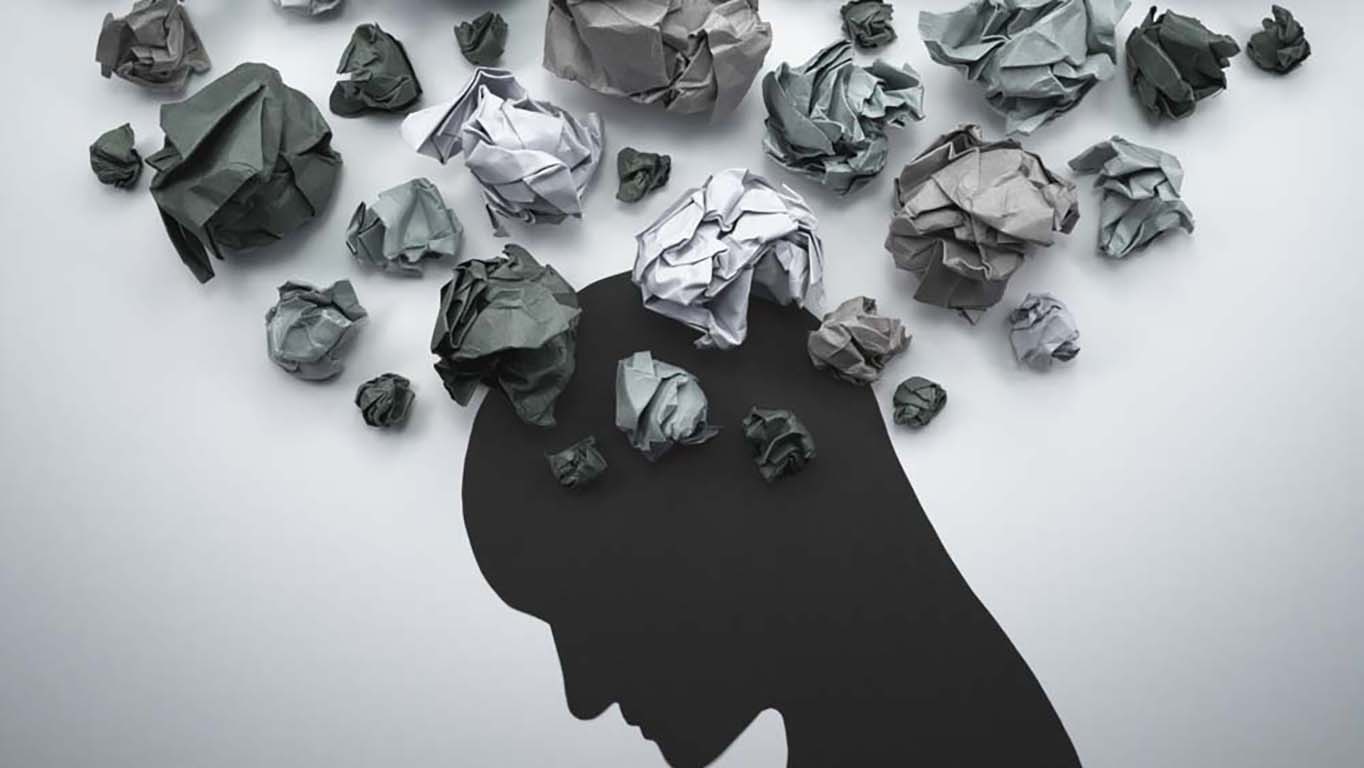
Mental fatigue stems from prolonged cognitive activity, essentially the brain running a “mental marathon.” Much like a battery, our brains have a capacity limit, and when we push them beyond this limit, performance drops. This isn’t just a matter of feeling tired; mental fatigue can impact decision-making, mood, concentration, and creativity. Unlike physical fatigue, which usually manifests as a general tiredness, mental fatigue can have more subtle effects—leading us to make poor choices, become easily irritated, or struggle to focus.
Fortunately, activities that stimulate the brain in a positive, low-pressure way can help prevent and alleviate mental fatigue. One such activity is solving crosswords, which are a form of positive cognitive activity.
Boosting Cognitive Function with Crosswords
Crosswords aren’t just a fun pastime; research has shown that they can positively impact cognitive function. Studies indicate that individuals who regularly engage in activities like crosswords show improvements in cognitive tasks related to instrumental activities of daily living, which refers to the essential day-to-day tasks that require focus, planning, and decision-making. By working through puzzles, individuals are training their brains to manage and solve problems in smaller, more manageable steps. This skill translates to real-life situations, making daily challenges seem easier to tackle.
In fact, a long-term study by the University of Exeter found that people who engaged regularly in puzzles and mentally stimulating activities had healthier cognitive functions compared to those who didn’t participate in similar activities.
Delaying Memory Decline
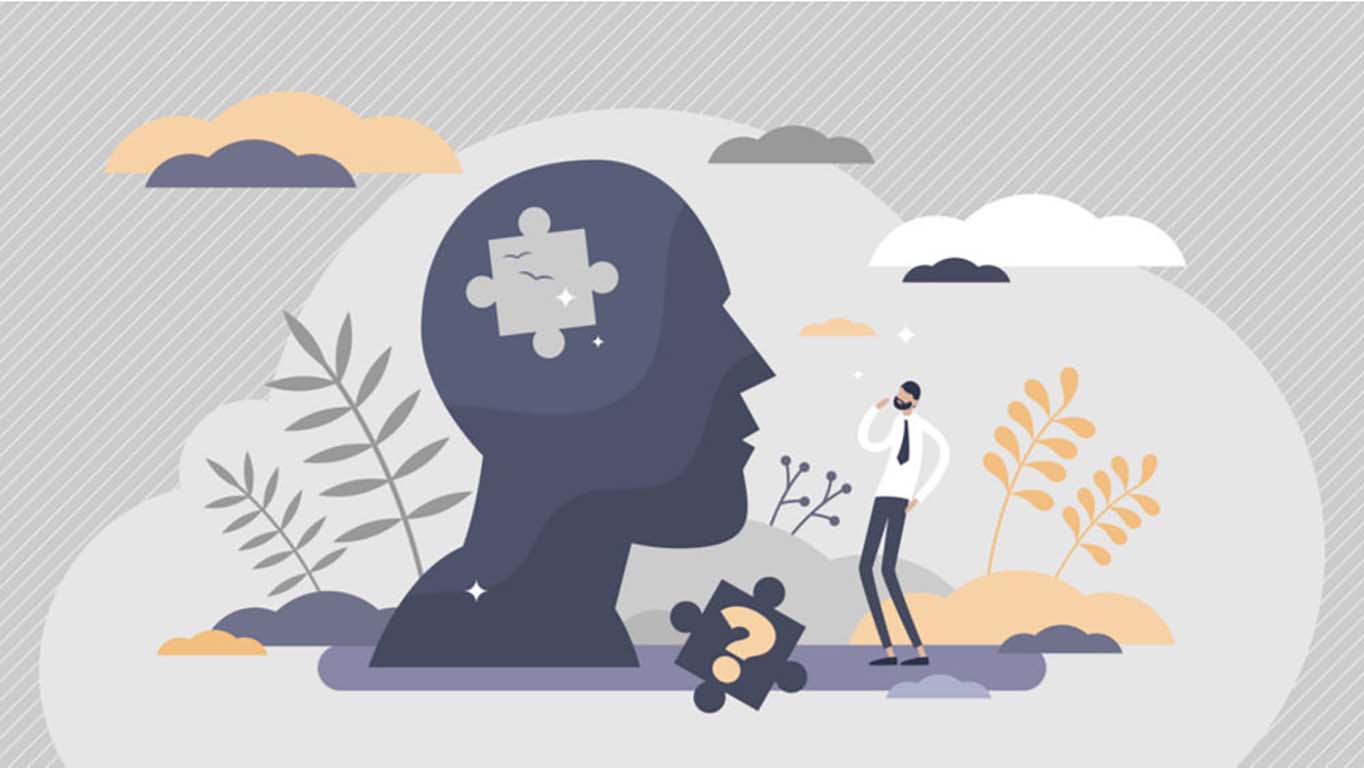
One of the biggest cognitive benefits of crossword puzzles is their potential to stave off memory decline. Crosswords require us to pull information from different areas of our memory. Think of your memory as a storage room; when you access the same front portion repeatedly, you don’t pay attention to what’s deeper in the back. But solving crosswords requires you to dig through different “sections” of your mental storage, which effectively “tidies up” and strengthens your memory pathways.
Research has supported this concept, showing that puzzles can help delay symptoms of memory-related conditions like dementia. A study published in Neurology found that engaging in activities like crosswords and puzzles can help reduce memory loss in later life, keeping cognitive functions sharp.
The Power of Challenge for Memory Retention
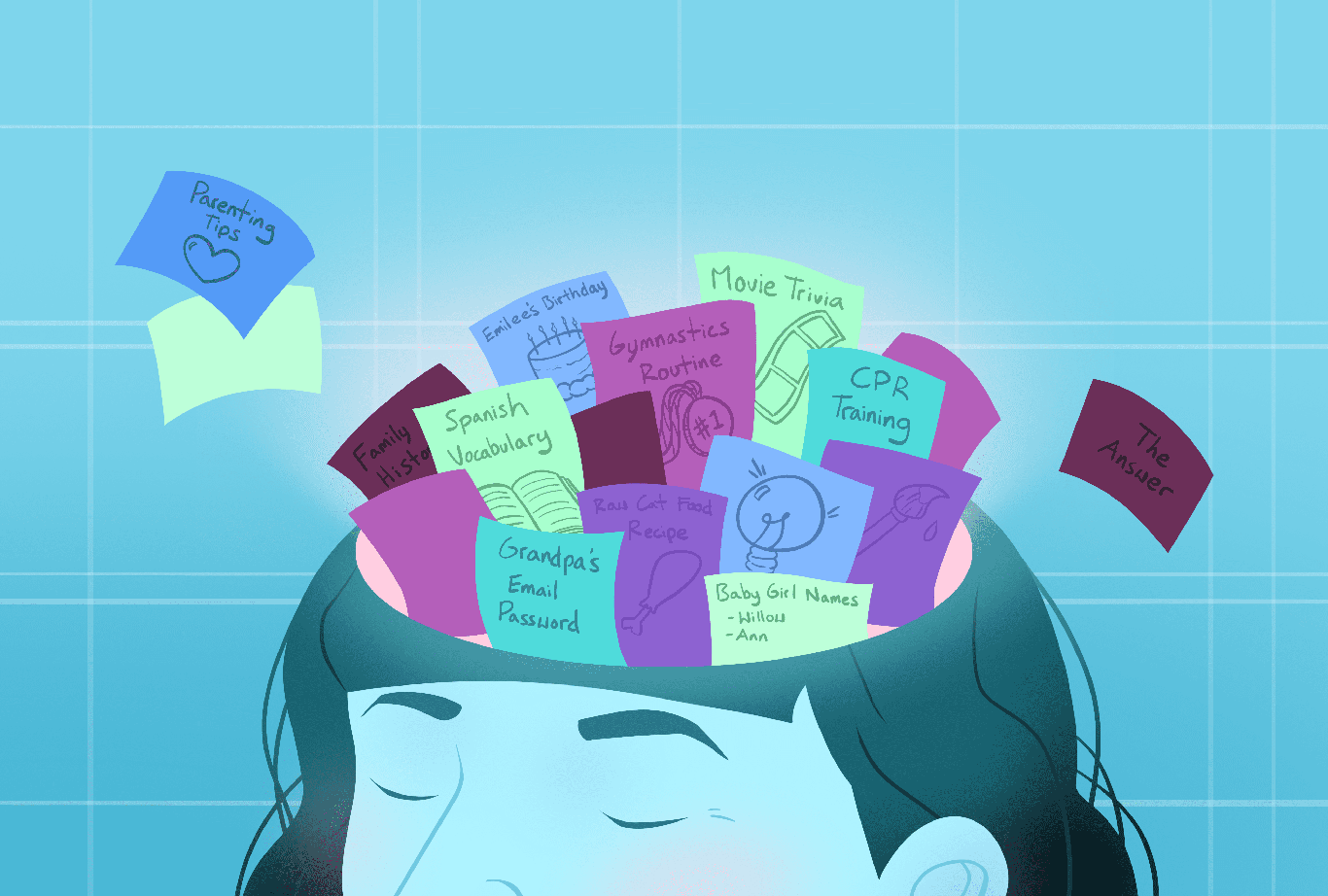
Have you ever noticed that the harder you work to solve something, the more you remember it? For those who thrive on competition or a challenge, an unfinished crossword can be a mental itch that needs scratching. This encourages perseverance and problem-solving, which not only strengthens cognitive function but also creates stronger neural connections associated with memory retention.
The phenomenon behind this is rooted in cognitive psychology, where we learn that the brain strengthens neural pathways when working through difficult problems. The mental effort involved in solving a challenging puzzle makes it more memorable, which means each answer you uncover sticks in your mind more vividly. Over time, this kind of mental exercise can contribute to a broader knowledge base, adding to your personal “database” of information.
Reinforcing Mental Connections
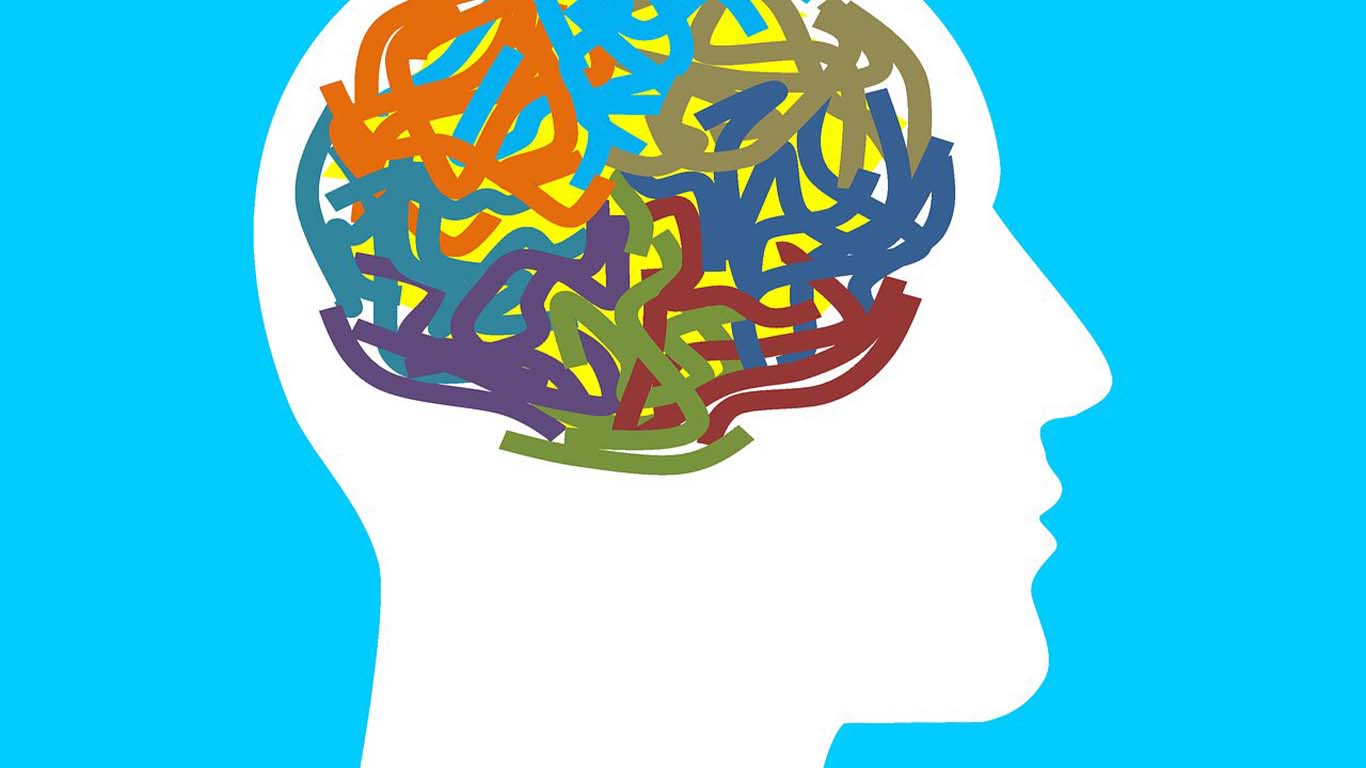
Our brains never operate in isolation. When we engage in any activity, multiple areas of our brain are involved in reaching the goal. For instance, talking to someone about a memory from our past involves not only language processing but also emotional regulation, sensory recall, and, often, motor functions if we’re gesturing. Similarly, solving a crossword involves language processing, memory retrieval, problem-solving, and sometimes even spatial reasoning, all working in harmony.
According to neuroscience, regularly stimulating multiple brain areas in such a controlled setting strengthens interconnections between them, which can improve overall brain function. Crosswords offer a balanced mental workout, challenging various parts of the brain to work together, ultimately enhancing mental resilience and reducing the risk of cognitive decline.
A Simple Tool for Mental Fitness
Crosswords may seem like a modest pastime, but they’re incredibly powerful tools for mental fitness. By engaging in these puzzles, you can cultivate a sharper mind, increase resilience against mental fatigue, and delay memory decline. In a way, they offer a little “stretch” for your brain, keeping it flexible and capable—much like how physical exercise benefits the body.
The benefits of crosswords go beyond simple enjoyment; they provide an opportunity to reconnect with the natural curiosity we had as children. So, the next time you feel mentally exhausted, consider setting aside a few minutes to solve a puzzle. It’s a small investment of time that can yield big returns for your mental health and overall well-being.