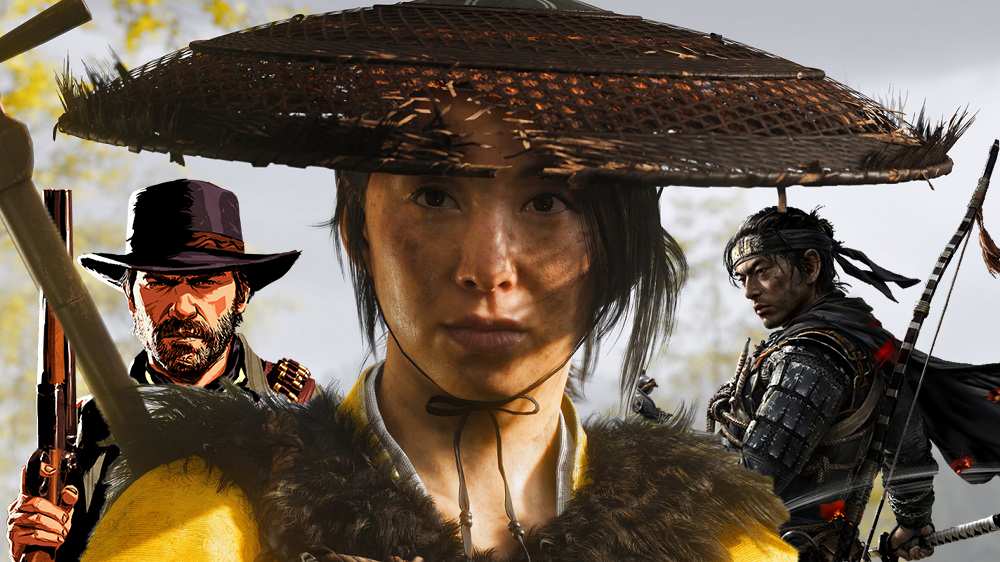
The gaming landscape has witnessed remarkable narratives and gameplay mechanics, particularly within the realm of samurai-themed titles. Two notable entries in this genre, Ghost of Tsushima and the upcoming Ghost of Yōtei, which was revealed as part of the Sony’s State Of Play, both offer players a deep dive into the rich tapestry of Japanese history and culture. While both games share thematic elements, they diverge significantly in setting, characters, and gameplay innovations.
Setting and Historical Context
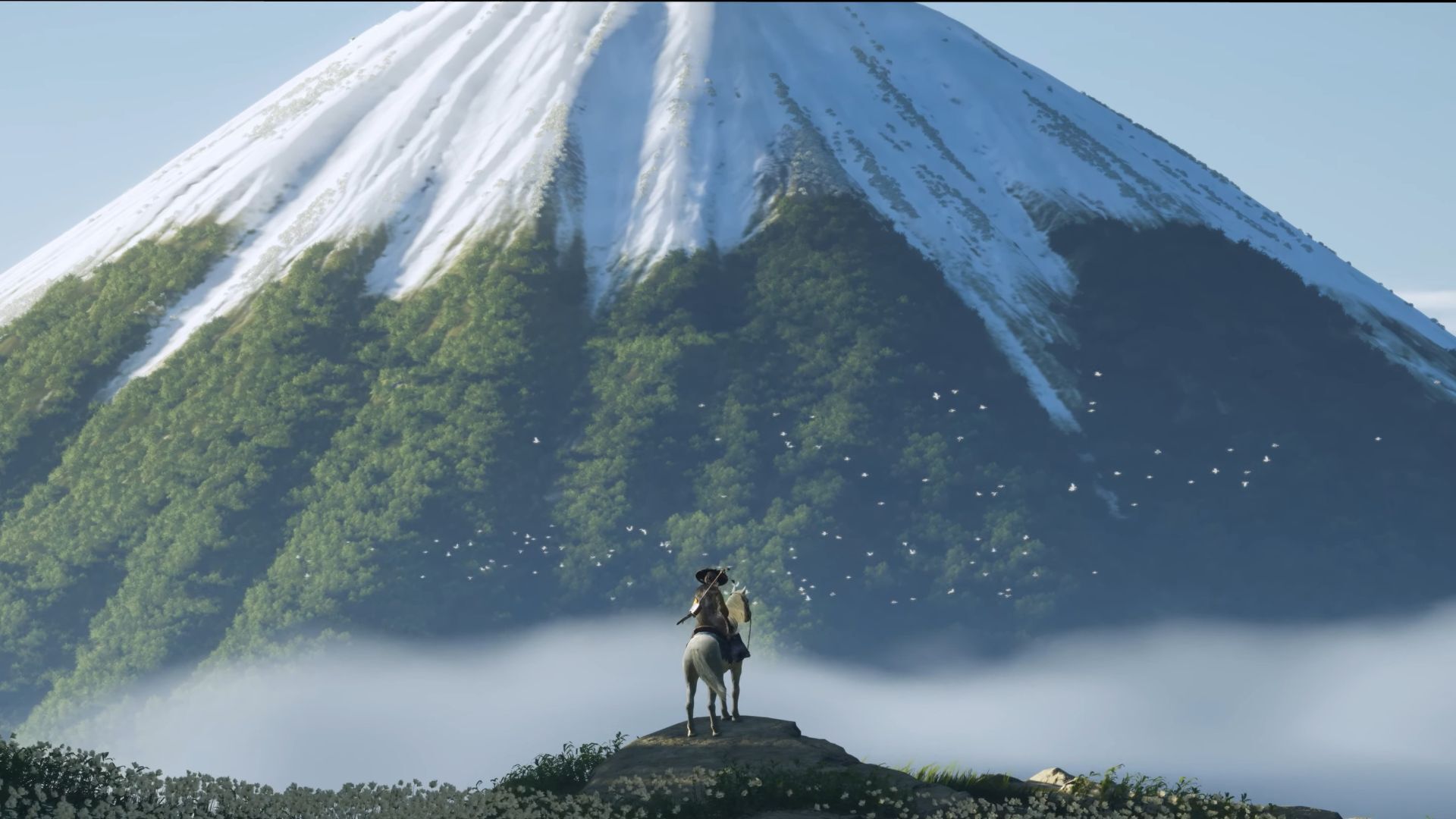
Ghost of Tsushima transports players to the year 1274, during the Mongol invasion of Tsushima Island. This historical backdrop is not only a rich narrative ground but also a visually stunning landscape filled with lush forests, rolling hills, and war-torn villages. The game is steeped in real historical events, allowing players to experience the intensity of samurai warfare and the struggle for survival against formidable foes.
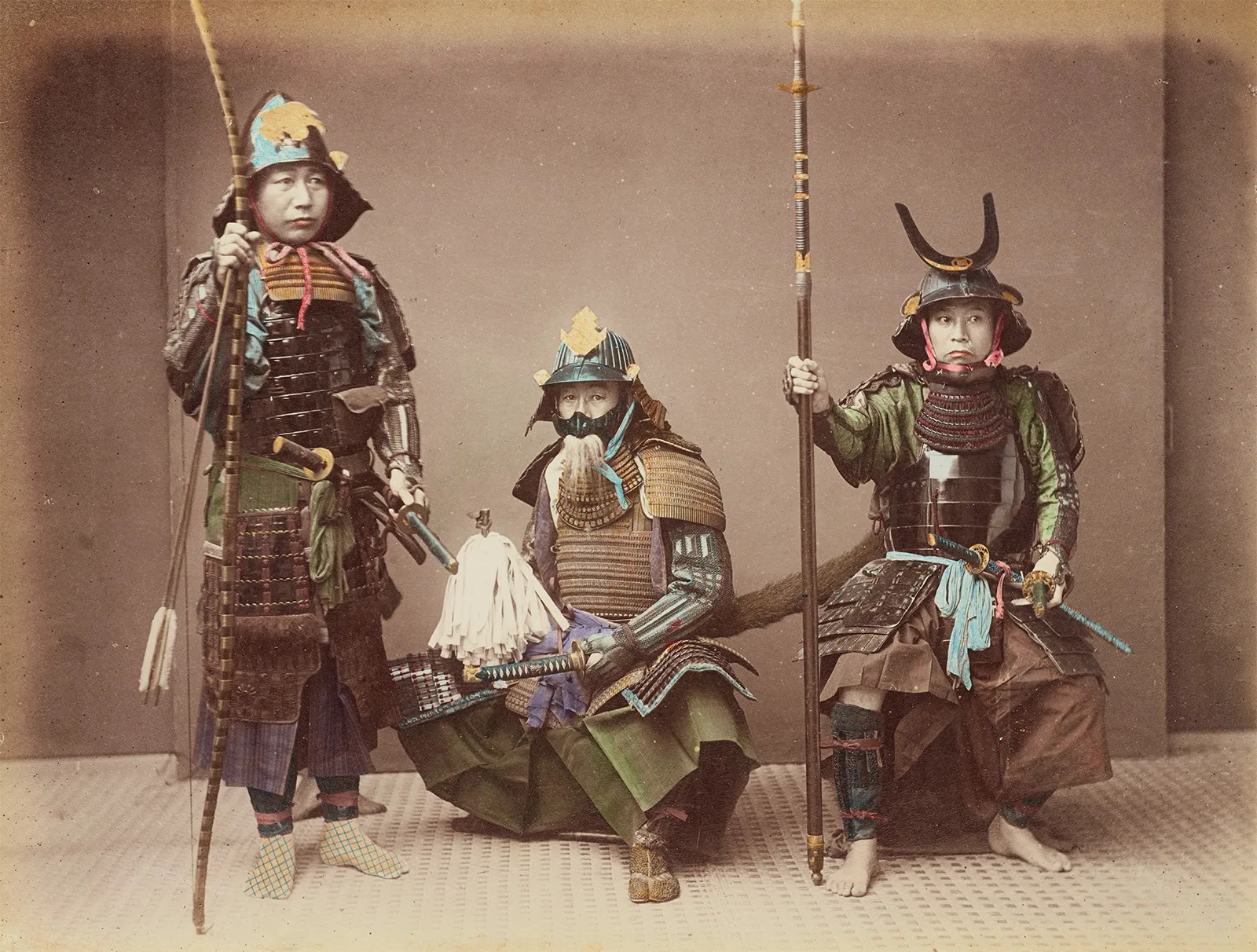
In contrast, Ghost of Yōtei, set in 1603, shifts the timeline to the early Edo period, over 300 years later. This period is less documented, focusing on the rugged terrains around Mount Yōtei in Hokkaido. Unlike the organized samurai clans depicted in Tsushima, Yōtei presents a more fragmented setting, providing a fresh narrative experience that explores themes of honor and vengeance in a world that feels wild and untamed. Not only that for those are fans of the Rockstar Games’ cowboy shooting games, “Red Dead Redemption” this sequel has many things to offer. Judging by the announcement trailer and its setting mentioned above, we’re expecting something similar to what we had in Red Dead 2. Meaning we’re going to see the end of an era and something new, same as what we saw in RDR2 which portrayed the end of the outlaws and the wild west era.
Protagonist and Narrative Depth
In Ghost of Tsushima, players assume the role of Jin Sakai, a male samurai who embraces the path of the “ghost.” His transformation involves a blend of traditional samurai values and stealth tactics as he seeks to protect his homeland from invaders. This character arc reflects the internal struggle between maintaining honor and embracing survival tactics. And thanks to the character development we see during the game we as gamers can actually empathize with his struggles and feel close to him.
Ghost of Yōtei introduces players to a new protagonist, Atsu, a female samurai whose narrative offers a unique perspective within this expansive universe. Atsu’s journey is driven by personal vengeance, emphasizing player agency in shaping her choices and the overall narrative. This focus on a female lead not only diversifies the storytelling but also deepens the emotional engagement as players navigate her path toward redemption.
Evolving Gameplay Mechanics
The gameplay in Ghost of Tsushima is a harmonious blend of traditional samurai combat and stealth mechanics. Players are encouraged to explore Tsushima’s varied landscapes, mastering combat techniques while engaging in stealthy takedowns. The dynamic environments play a crucial role in shaping the combat experience, providing players with various strategies to tackle challenges. those who consider themselves cinephiles and fans of Kurosawas’s movies will right at home with the way this game handles its gameplay since as mentioned by its developers, the gameplay was highly inspired from Kurosawa’s unique way of cinematography.

With Ghost of Yōtei, developers aim to expand upon these mechanics, utilizing the power of the PlayStation 5 to introduce new features. Enhanced environmental interactions, vast sightlines, and improved weather systems—including auroras and dynamic wind—promise a richer, more immersive gameplay experience. The freedom of movement and player choice is expected to be even more pronounced, allowing for a personalized journey through Hokkaido’s wild landscapes.
Visual Aesthetics and Atmosphere
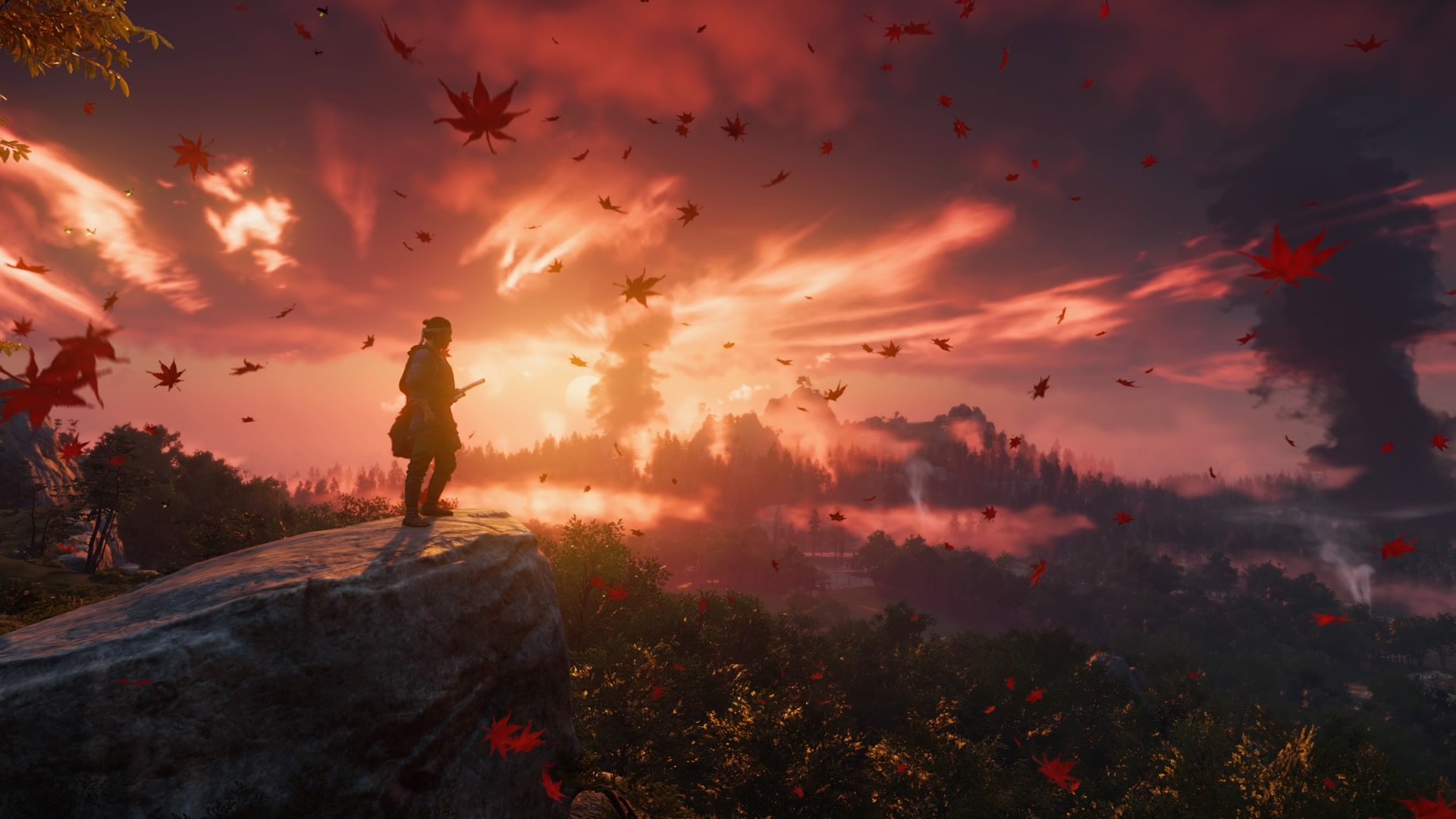
One of the standout features of Ghost of Tsushima is its breathtaking visual fidelity. The game captures the essence of feudal Japan, showcasing golden forests, serene landscapes, and the chaos of battle with stunning detail. Players are often treated to cinematic moments that enhance the storytelling experience.
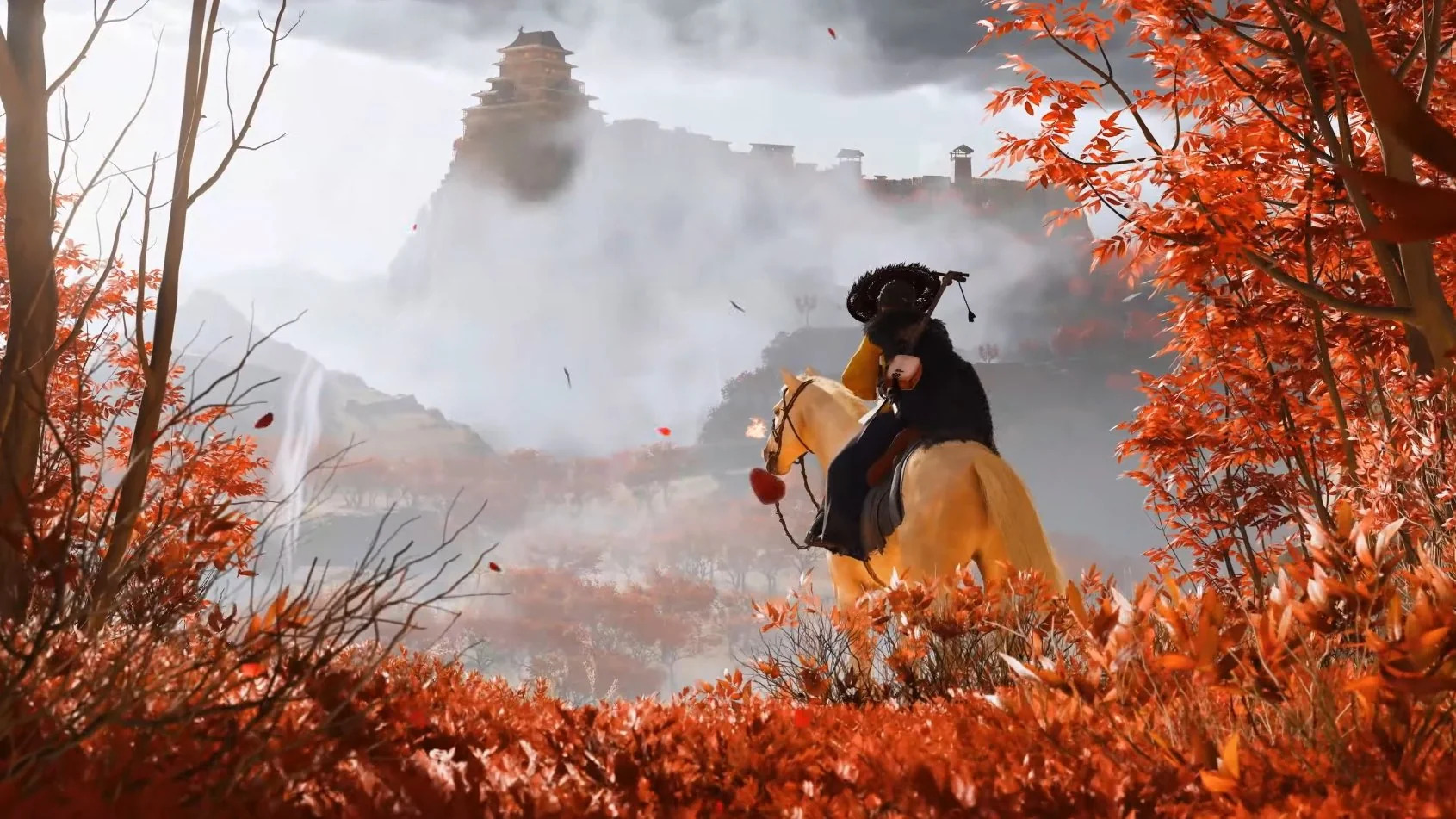
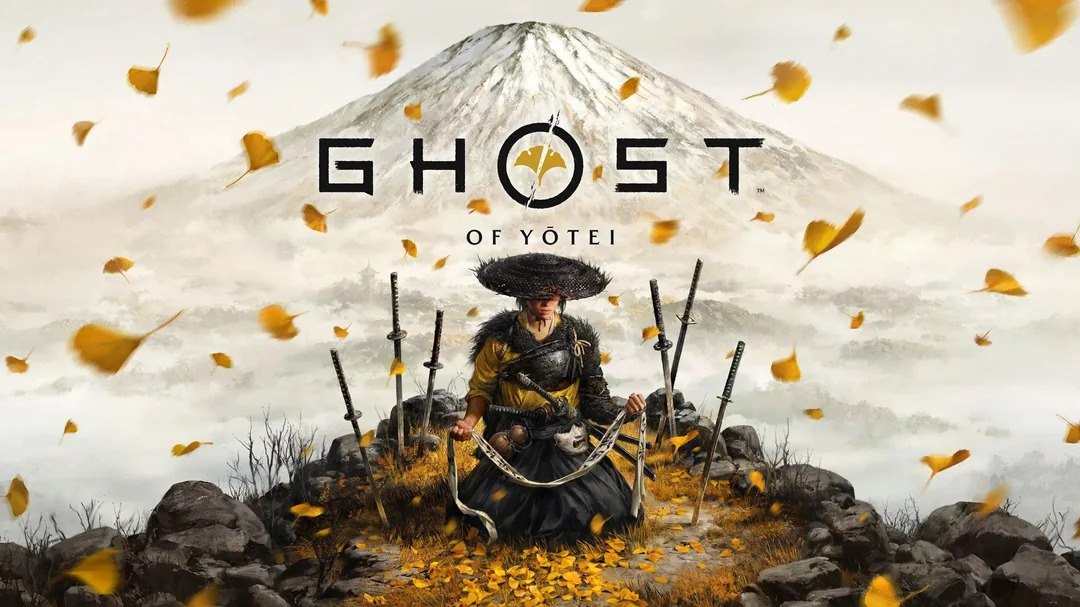
Conversely, Ghost of Yōtei is set in a more untouched and rugged environment. The snowy forests and open ridges of Hokkaido create a distinct visual tone that feels remote and primal. This shift in scenery not only provides a refreshing aesthetic but also amplifies the sense of exploration and adventure as players traverse the untamed wilderness.
Themes of Honor and Vengeance
Both titles explore themes of revenge and honor, albeit from different perspectives. Ghost of Tsushima emphasizes the internal conflict between adhering to samurai principles and the harsh realities of survival. In contrast, Ghost of Yōtei appears to delve into vengeance from a more personal and player-driven angle, where moral choices significantly impact the protagonist’s journey.