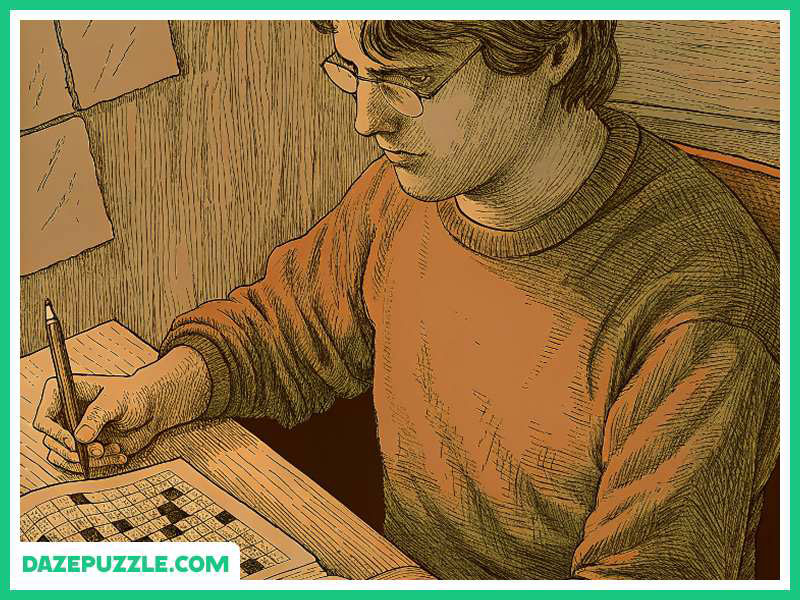
Crossword puzzles have been a popular pastime for decades, providing both entertainment and intellectual stimulation. While they may seem like simple word games, crosswords are powerful tools for improving vocabulary, memory, and overall cognitive abilities. But how exactly do they help? Let’s dive into the fascinating connection between crossword puzzles and vocabulary enhancement.
Table of Contents
Importance of Vocabulary in Daily Life
A strong vocabulary is crucial in almost every aspect of life. From professional communication to casual conversations, the words we use shape how we express ourselves. Moreover, vocabulary plays a significant role in reading comprehension. The more words you know, the easier it becomes to understand complex texts.
How Learning Vocabulary Can Be Fun
For many people, learning new words feels like a tedious task. Memorizing long lists of words and their definitions can be dull and ineffective. However, integrating fun activities into the learning process can make a huge difference.
Crossword puzzles make vocabulary building enjoyable by turning it into a game. They challenge players to think critically, recall words from memory and discover new ones, all while having fun.
Role of Puzzles in Language Learning
Language learning is not just about grammar rules and sentence structures. It also involves getting new vocabulary. Puzzles, especially crosswords, provide a creative way to reinforce language skills.
Teachers and educators often use crosswords as a teaching tool in classrooms because they engage students and make learning interactive. Crossword puzzles offer a dynamic and effective approach for learning new words.
Cognitive Benefits of Solving Crosswords
Crossword puzzles do more than just improve vocabulary. They also offer numerous cognitive benefits. Engaging in these word games can enhance memory, boost problem-solving skills and promote critical thinking.
Enhance Memory and Recall
One of the most significant benefits of solving crosswords is improved memory. The act of recalling words from previous knowledge strengthens neural connections in the brain. When you come across a crossword clue, your brain searches for stored information, reinforcing the retention of words.
Improve Problem-Solving Skills
Crossword puzzles require logical thinking and strategic problem-solving. Players must analyze clues, consider different word possibilities, and fit them into a grid. This process exercises critical thinking skills, which are beneficial in everyday decision-making and analytical tasks.
Boost Critical Thinking
Critical thinking is about evaluating information, making connections, and drawing conclusions. Crosswords challenge players to think outside the box and use deductive reasoning.
How Crosswords Improve Vocabulary?
Crosswords are not just about solving words, they actively contribute to vocabulary growth. From discovering new words to reinforcing spelling and pronunciation, these puzzles serve as an engaging language-learning tool.
Learn New Words Through Clues
One of the best ways crosswords enhance vocabulary is by introducing new words through cleverly crafted clues. Clues often use synonyms, wordplay, or indirect hints, encouraging players to think deeply about word meanings.
For example, a crossword might have the clue: “A synonym for ‘quick’ (5 letters).” Even if you don’t know the answer right away, your brain starts searching for possible words like “swift” or “rapid.” This process strengthens word recognition and recall.
Strengthen Word Association
Word association is key to effective vocabulary retention. Crosswords help players connect words with meanings, synonyms, and related terms. When you repeatedly encounter a word in different puzzles, you begin to associate it with various contexts, making it easier to remember.
Reinforce Spelling and Pronunciation
Spelling is an essential aspect of vocabulary, and crosswords offer a fun way to reinforce it. Since crossword answers must fit perfectly within the grid, players must spell words correctly to progress.
Additionally, solving crosswords helps with pronunciation. When encountering new words, players often say them out loud or look up their pronunciations. For example, You can try improving your vocabulary with reaching to NYT mini crossword answers.
Crosswords and Contextual Learning
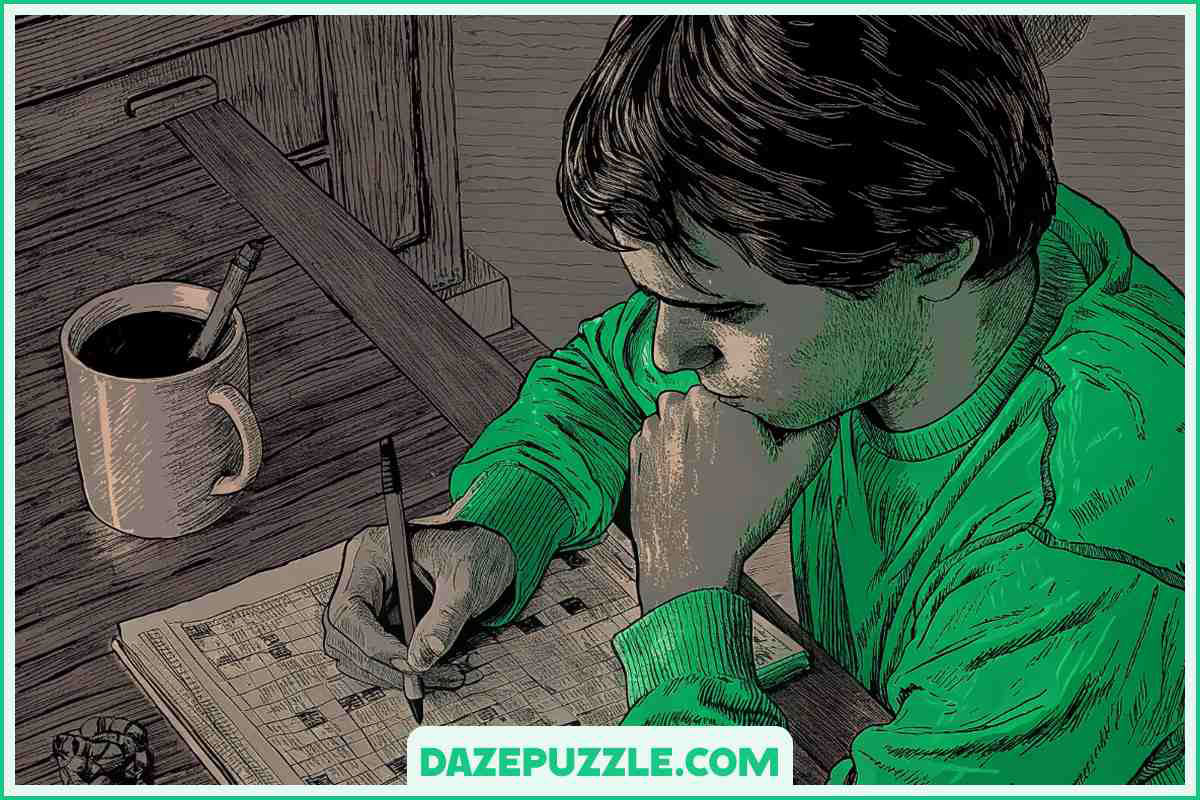
Contextual learning is one of the most effective ways to learn new words. Instead of memorizing isolated terms, crosswords help learners understand words in meaningful contexts.
Learn Words Through Context
Crossword clues often provide context that helps players infer meanings. For example, if a clue states, “A feeling of great joy (8 letters),” even if you don’t know the word immediately, the context points toward words like “happiness” or “euphoria.”
Recognize Synonyms and Antonyms
Crosswords are excellent for identifying synonyms and antonyms. Since many clues rely on word similarities and opposites, players naturally develop an awareness of how words relate to each other.
Enhance Comprehension Skills
Comprehending word meanings in different contexts is a fundamental skill for reading and writing. Crosswords enhance this ability by challenging players to analyze clues, recognize word relationships, and apply their knowledge.
Crossword Puzzles and Word Retention
Repetition and Long-Term Memory
Engaging with crossword puzzles regularly is like giving your brain a gentle yet effective workout. Every time you sit down with a crossword, you are invited to revisit words you have seen before. This consistent exposure is crucial for transforming short-term recollections into enduring knowledge.
As you work through clues and fill in answers, your brain reinforces neural pathways that support memory retention. It is much like listening to your favorite song repeatedly until every note is ingrained in your mind.
How Puzzles Reinforce Previous Vocabulary
Crossword puzzles offer a unique way of reinforcing vocabulary that you may have encountered before but might not actively use on a daily basis. When you come across a clue, it often triggers memories of similar words and phrases that you’ve seen in past puzzles or in your reading. This act of retrieving previously learned vocabulary is a form of mental exercise that solidifies those words in your mind.
The challenge lies in connecting a clue with a word that has already been part of your linguistic repertoire and this process of association is vital for cementing knowledge. Every time you successfully recall a word, your brain is rewarded with the satisfaction of solving a mini-puzzle.

Tips for Maximizing Vocabulary Learning with Crosswords
Choose the Right Difficulty Level
Selecting the appropriate difficulty level when solving crosswords is essential for effective vocabulary learning. If a puzzle is too easy, it may not challenge your brain enough to introduce new words or concepts. On the other hand, if a crossword is too difficult, it can become frustrating and discouraging.
For advanced learners, complex crosswords such as cryptic puzzles or themed challenges can offer significant linguistic benefits. By tackling advanced crosswords regularly, solvers can refine their ability to decode word meanings and expand their vocabulary in a way that feels both rewarding and intellectually stimulating.
Keep a Vocabulary Journal
One of the best ways to reinforce the vocabulary learned through crosswords is to maintain a vocabulary journal. Every time you encounter a new or unfamiliar word while solving a puzzle, writing it down along with its meaning, pronunciation and example usage can help solidify your understanding.
This practice transforms passive learning into active engagement. This makes new words easier to recall and apply in real-life situations.
Practice Regularly for Better Results
Like any skill, vocabulary building through crosswords improves with regular practice. Engaging with puzzles consistently (whether daily or several times a week) ensures steady progress and long-term retention of new words.
Consistency also helps reinforce memory and recall. Words encountered repeatedly in different crossword contexts become easier to remember and apply in various situations.
Conclusion
Crossword puzzles are an outstanding tool for vocabulary enrichment which offer a unique and engaging way to expand language skills. These puzzles provide a holistic approach to learning. In fact, learners of all ages can benefit from the cognitive and linguistic advantages crosswords offer.
In the end, crosswords are more than just a pastime. They are a powerful educational tool that transforms vocabulary learning into an exciting and rewarding journey.