Before Microsoft’s acquisition, Activision Blizzard was already struggling due to poor management, including mishandling workplace harassment cases, prioritizing revenue over creative direction, and relying too heavily on microtransactions. Franchises like Overwatch, Call of Duty, and World of Warcraft had suffered from dwindling player bases and lackluster content updates, which created frustration among fans.
When Microsoft acquired the gaming giant in 2023, there was hope that new leadership would turn things around, leveraging its resources to revive the ailing franchises. However, critics argue that Microsoft’s management has failed to bring about meaningful changes. While the acquisition promised a new beginning, fans expected more innovation and improvements in content quality, especially after years of stagnation under Activision Blizzard’s leadership. As Phil Spencer the head of Xbox in an interview said:
Activision, Blizzard, and King publish some of the most played and most beloved franchises in gaming history, from Pitfall to Call of Duty, Warcraft to Overwatch, Candy Crush Saga to Farm Heroes Super Saga. By combining Xbox with Activision Blizzard’s skill, knowledge, and amazing legacy of games, we will bring the joy and community of gaming to even more players around the world.
But Instead, under Microsoft’s watch, the situation has worsened for several key franchises. Overwatch 2, initially seen as a potential revival of the hero-shooter genre, has been widely criticized for poor monetization models, lackluster updates, and failed promises, such as the cancellation of the anticipated PvE mode. Even after 2 years of release we can still see not so good reviews from the gamers on platforms like steam. Similarly, Call of Duty has continued to recycle content without significant innovations, relying heavily on seasonal updates that prioritize in-game purchases over improving gameplay mechanics. This fact alone managed to put the release of this year’s Call of Duty Black Ops 6 on jeopardy as gamers are being skeptical about the release and are doubting the way Microsoft’s handling an IP this big.
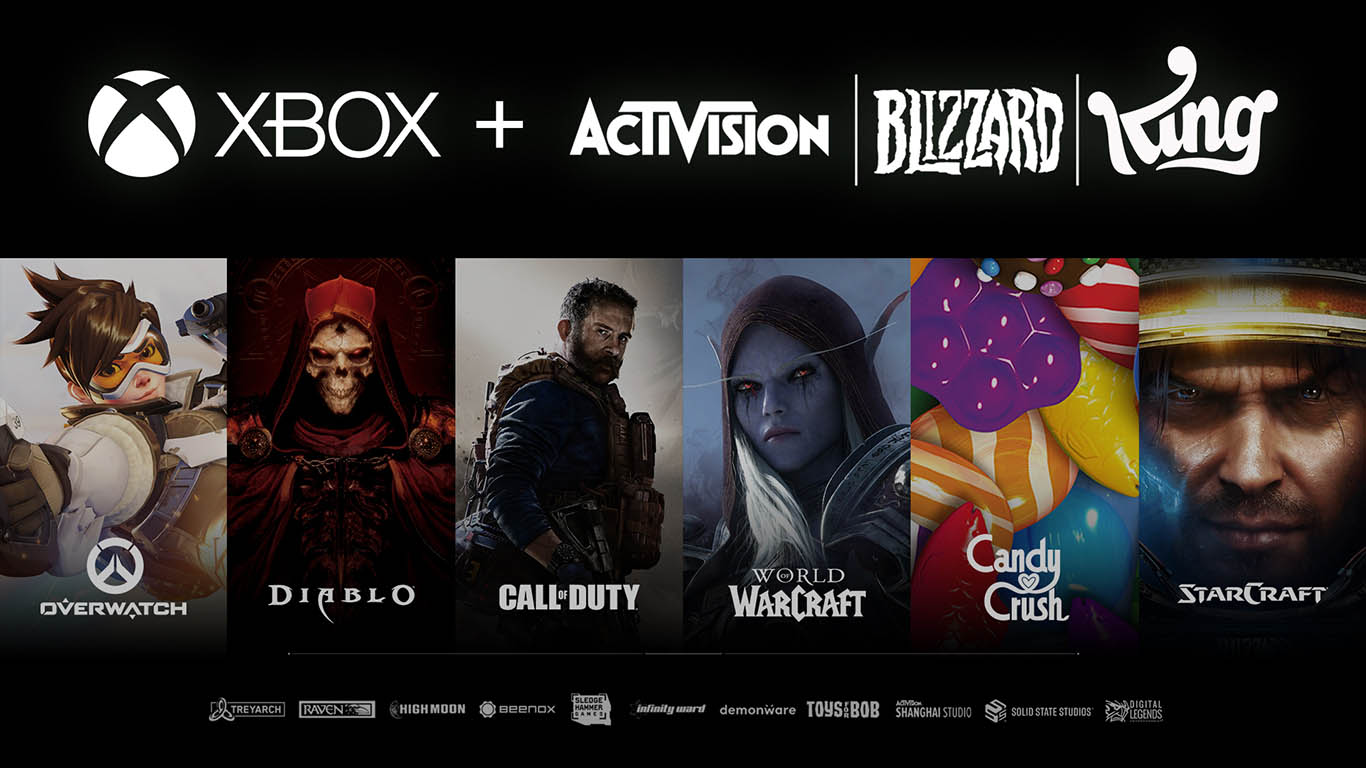
the problem is Microsoft’s passive management style has worsened the situation. The tech giant has taken a more hands-off approach with its newly acquired studios, allowing them to operate independently, but this has backfired with Activision Blizzard. The company’s toxic culture and profit-driven mindset, which persisted from pre-acquisition days, have remained largely intact. This is evident from the way recent titles like Diablo IV have been designed to extract as much revenue as possible from players through excessive microtransactions.
Adding to the discontent, delays and lack of concrete updates on major projects, such as the rumored World of Warcraft expansion, have further damaged the company’s standing with its fanbase. Some blame Microsoft for not stepping in sooner with firmer control and strategic vision to guide these studios. Rather than addressing the root causes of Activision Blizzard’s issues, Microsoft’s management has allowed them to persist, deepening the decline of these beloved franchises.
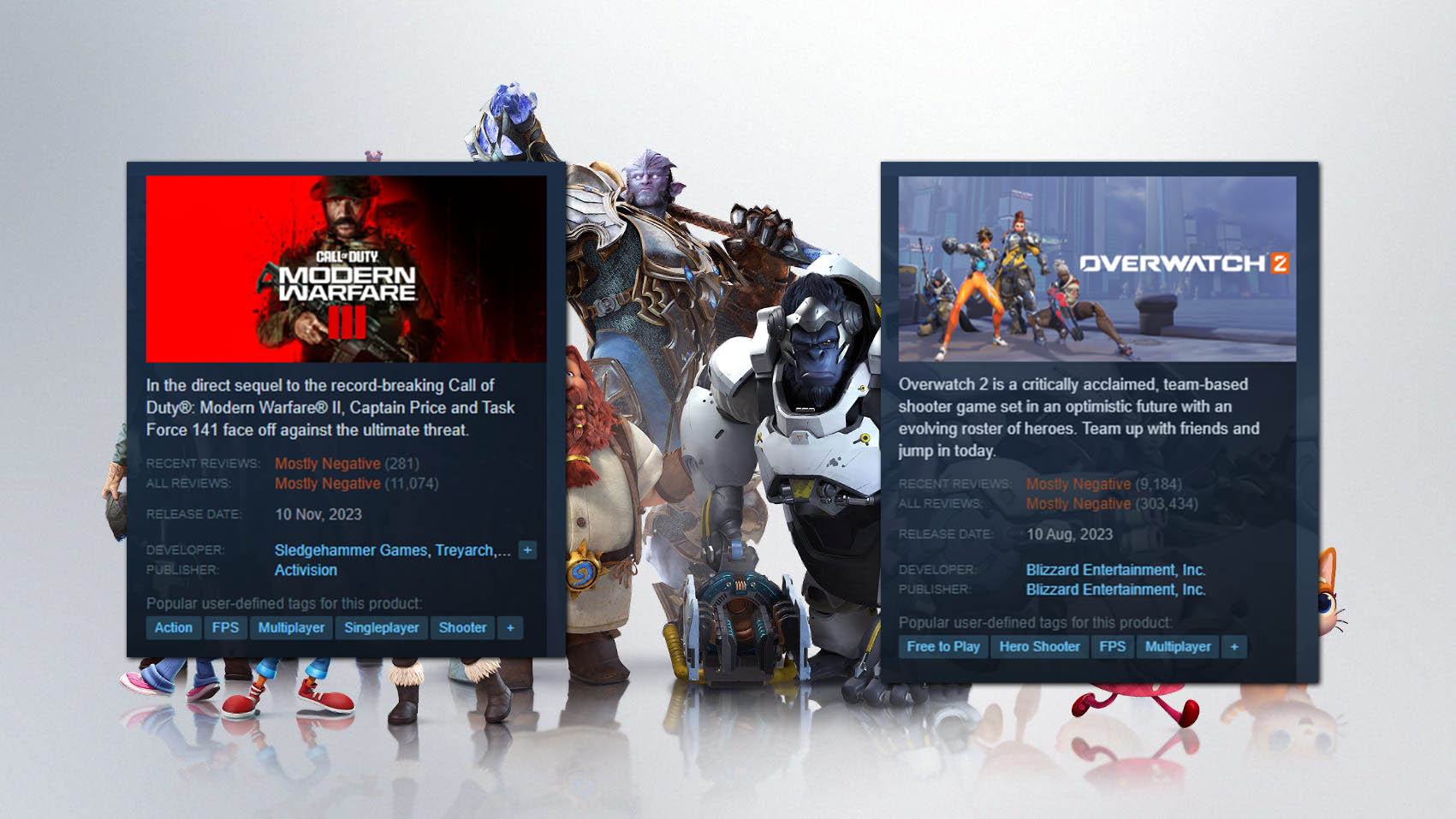
Now, many gamers are questioning whether Microsoft truly understands how to manage such a large gaming portfolio, given that many of the promises tied to the acquisition—revamping internal culture, fostering innovation, and improving the player experience—have yet to materialize. The overall perception is that Microsoft’s acquisition hasn’t delivered the reinvigoration the community had hoped for, and, in some ways, it might have accelerated the decline. unfortunately in some cases, we’ve seen higher ups at Microsoft like Matt Booty the head of content and studios have come out and said things that have angered the gamers even more.
If Microsoft fails to shift its approach, the future of these franchises looks uncertain, and the gaming giant risks losing credibility among its most loyal customers. Time will tell if they can salvage the situation, but for now, the early signs suggest that Microsoft’s management might be too lenient, failing to address the structural problems that have plagued Activision Blizzard for years. This not only is not good for Microsoft but to to the gamers as well since they’re not the only company struggling with the management and others are also having problems, this if not fixed on time may result in a disaster within the game industry.