Once upon a time, game development was driven by passion, creativity, and a desire to bring ambitious, interactive experiences to life. Developers poured their hearts into games, creating art that was meant to be played and enjoyed by fans who shared their vision. Competition was fierce, but it was healthy—the kind that pushed studios to innovate and craft some of the greatest games in history. From the PS1 to PS2 era, games like Final Fantasy VII, Silent Hill, and Metal Gear Solid thrived, each offering a complete, premium experience with no strings attached. Gamers paid their $60 and in return received hours of unforgettable entertainment, an exchange that followed the basic rule of capitalism: you get what you pay for.
But as the gaming industry became more mainstream, the allure of profit became impossible for corporations to resist. Big publishers, much like sharks smelling blood, saw gaming not just as an art form but as an untapped well for extracting cash—and the prey? You, the gamer, and more specifically, your hard-earned money.
The Golden Age to Monetization
During the 5th and 6th console generations, developers were focused on making high-quality, complete experiences. There was no need for post-launch purchases or endless paid expansions; the game you bought was the game you played. But then came the early 2010s, and with them, a noticeable shift. Loot boxes and microtransactions started infiltrating the industry, most notably popularized by games like Overwatch and Call of Duty.
Loot boxes became digital gambling—players paid real money for a chance to unlock something valuable, and more often than not, they were left with worthless items. Despite a growing backlash from players, corporations pushed forward, doubling down on these predatory systems. It wasn’t about rewarding gamers anymore; it was about squeezing them for every last penny.
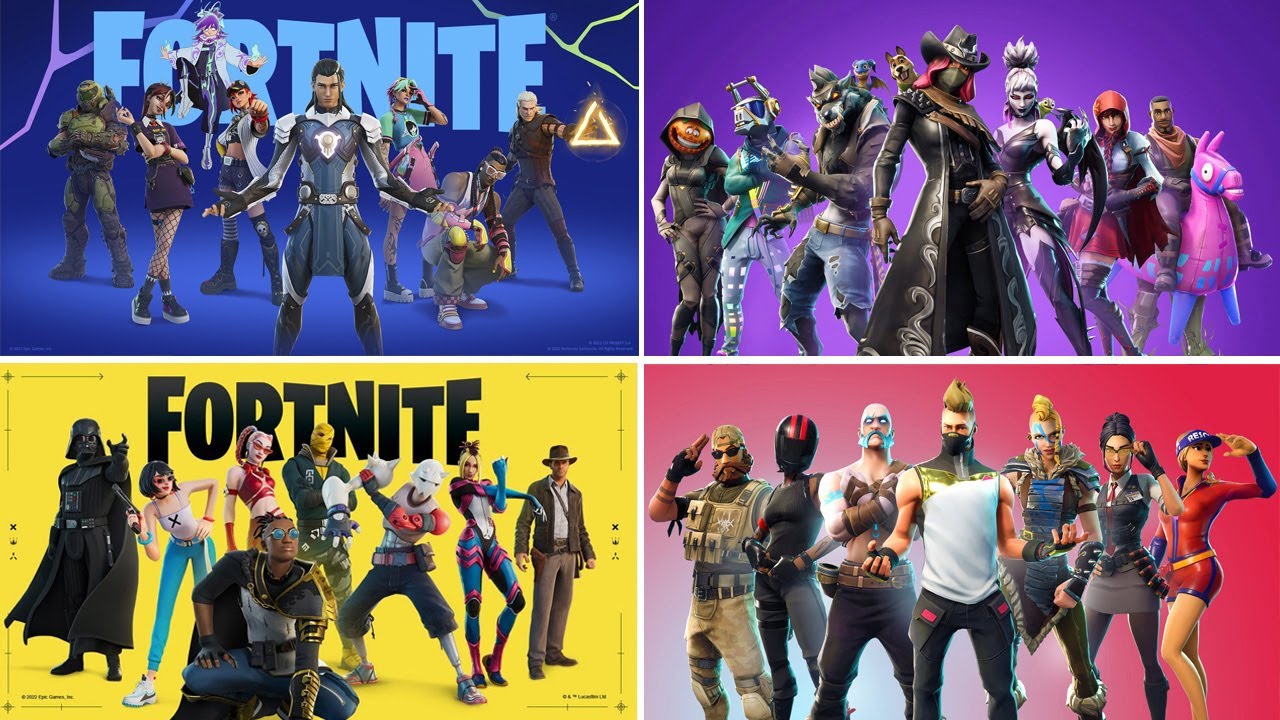
Then came Battle Passes, introduced by games like Fortnite and Apex Legends. Unlike loot boxes, the Battle Pass system wasn’t about luck, but about time. Players would pay to unlock exclusive items, but they had to grind to earn them. This artificially extended the life of games, transforming gaming from a hobby into a chore. Suddenly, players weren’t having fun; they were clocking in, trying to meet in-game quotas to justify the money they had spent.
The Domino Effect of Bad Trends
It didn’t stop there. Game publishers realized that they could stretch out a game’s lifecycle—and revenue—by turning it into a live service. Gone were the days of full, self-contained games. Now, games were drip-fed content over months or even years. Titles like Destiny 2 and The Division promised endless updates and seasons, but players often found themselves paying for broken or incomplete games, waiting months for features that should’ve been included at launch.
One of the biggest offenders of this predatory trend is Ubisoft. Once a pioneer in the industry with groundbreaking franchises like Assassin’s Creed and Far Cry, Ubisoft has since become a symbol of corporate greed and shortsighted decision-making. Over the past few years, Ubisoft has become infamous for chasing trends instead of setting them. The company’s repeated failures—like the ill-fated Hyperscape and delayed Skull & Bones—are perfect examples of how badly they misread the market. They’re no longer innovating; they’re copy-pasting.
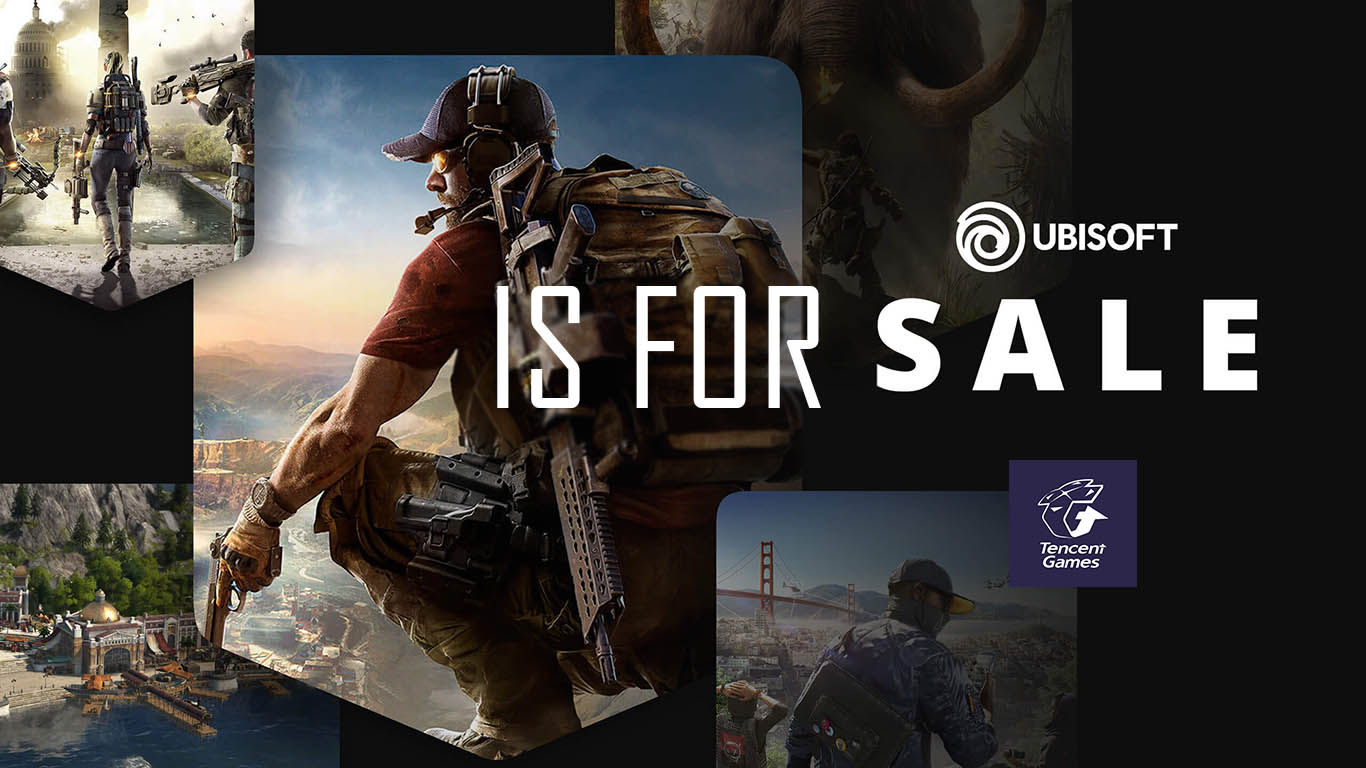
In their desperation to turn a profit, Ubisoft embraced microtransactions, live services, and battle passes—all of which have left players increasingly disillusioned. Ubisoft’s downfall is already in motion, with talk of a potential buyout by Tencent, a stark reminder of how far the once-great studio has fallen. They’ve gone from industry leader to cautionary tale.
Are We Heading for Another Crash?
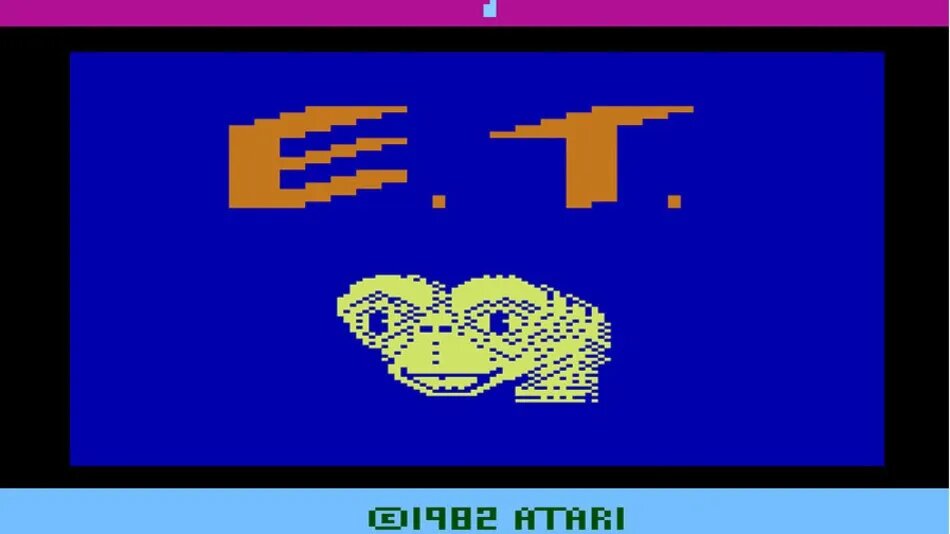
This brings us to the critical question: Is the gaming industry heading towards another crash, similar to the infamous ET disaster of the 1980s that nearly destroyed the industry? Just like back then, we’re seeing an oversaturation of low-quality, cash-grab titles designed more to exploit than to entertain. Publishers like EA and Ubisoft seem to have forgotten that gamers aren’t endlessly patient or rich.
We’ve seen boycotts, mass online protests, and games failing due to their greedy practices. Look at Star Wars Battlefront II—a game so plagued by loot boxes that it sparked worldwide outrage and forced EA to backtrack on their plans. Gamers made it clear: we won’t be exploited.
Yet, the industry’s obsession with live services, microtransactions, and pay-to-win systems continues. What should be a fun, immersive experience has become a grind, with companies putting profits before player satisfaction. The same mistakes that led to Ubisoft’s demise are being repeated across the industry.

If major developers continue to prioritize trends like loot boxes, battle passes, and live service models, they may soon find themselves in the same position as Ubisoft—struggling to stay afloat. Just like the crash in the ’80s, the collapse of a major player in the gaming industry is not only possible but inevitable if these practices don’t change. The market can only tolerate so much exploitation before it fights back.
What gamers really want is simple: quality games, free of predatory monetization, that respect both their time and their money. The industry needs to return to its roots—where passion, creativity, and ambition, not greed, were the driving forces behind game development.
Ubisoft might be the first to fall, but if the industry doesn’t learn from its mistakes, they won’t be the last.