


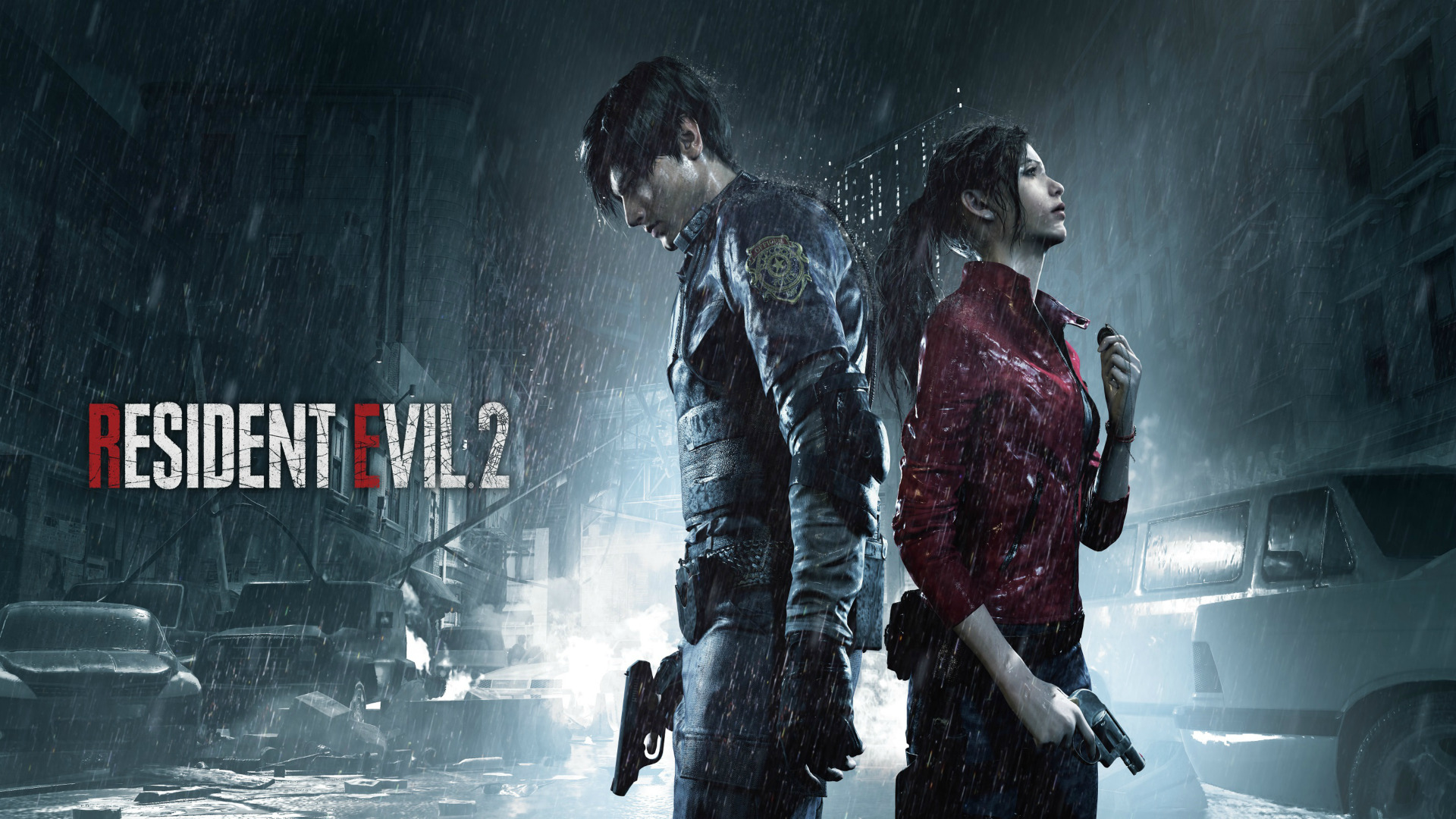
Capcom has established itself as a leader in remaking and remastering classic games, setting a new benchmark for the industry with its recent titles. The success of Resident Evil 2 Remake in 2019 marked a turning point, proving that remakes could be more than just visual upgrades. Since then, Capcom has demonstrated exceptional care and passion in reviving its older games, showing a deep understanding of what made the originals iconic, while enhancing them for a modern audience.
A Commitment to High-Quality Remakes
Capcom’s approach has been to not merely recreate old games but to reimagine them in ways that enhance the player experience without sacrificing the essence of the original. Starting with Resident Evil 2, the company introduced a masterclass in remakes by reworking the gameplay, modernizing the graphics using its proprietary RE Engine, and adding new layers of tension and horror. Capcom managed to retain the heart of the original game while bringing it to life for a new generation of players, which was key to its success.
This same level of dedication has carried through to other remakes, such as Resident Evil 3 and Resident Evil 4, where Capcom took creative risks. They refined mechanics, updated the AI, and created atmospheres that balanced nostalgia with fresh excitement. For example, the Resident Evil 4 Remake retained the core charm and action-horror balance but polished elements like character models, environmental details, and smoother controls, all while maintaining the pacing that made the original a genre-defining experience.

The Dead Rising Deluxe Remaster: Continuing the Tradition
Capcom’s recent Dead Rising Deluxe Remaster is another example of how the studio handles its legacy with great care. Rather than a simple graphical facelift, Capcom implemented meaningful changes like better AI, more responsive controls, and immersive sound design—all while keeping the quirky spirit and humor of the original Dead Rising. By using the RE Engine, the remaster targets 4K visuals and adds modern accessibility features, making the game enjoyable for both veterans and new players.
This attention to detail is something that other studios should take note of. Capcom does not simply rely on nostalgia to sell its remakes. Instead, it respects the fans of the original games by preserving their essence and charm while taking full advantage of modern technology to improve gameplay, performance, and visual fidelity.

Setting a New Standard for Game Remakes
What sets Capcom apart is its genuine respect for the legacy of these games and their fans. Capcom’s developers approach these projects not just as business ventures but as opportunities to breathe new life into beloved franchises. This passion is evident in every frame, character design, and gameplay mechanic. The studio doesn’t just recreate old assets; it reconstructs entire worlds with love and respect for the original creators’ vision.
Capcom’s success should serve as a blueprint for other studios considering remakes of their own classics. The company’s ability to balance nostalgia with innovation ensures that these remakes feel relevant in today’s gaming landscape, rather than just relics of the past. In contrast, many remakes from other companies fail to capture the magic of the original titles, either through superficial updates or by straying too far from what made the original games special.
A Model for Future Remakes
Capcom has proven that remakes and remasters can be more than just cash-grabs or graphical overhauls. With its unwavering attention to detail, modernized mechanics, and respect for the source material, the studio has crafted a series of remakes that have not only succeeded critically and commercially but have also set the gold standard in the industry. Whether it’s reviving the terror of Resident Evil or the zombie-infested chaos of Dead Rising, Capcom’s remakes show a level of care that other developers should aspire to when reimagining their own classic titles.
The industry would greatly benefit if more studios followed Capcom’s model—taking the time to thoughtfully enhance their older games, rather than rushing to cash in on nostalgia. By doing so, they can ensure their titles will continue to be celebrated by future generations.