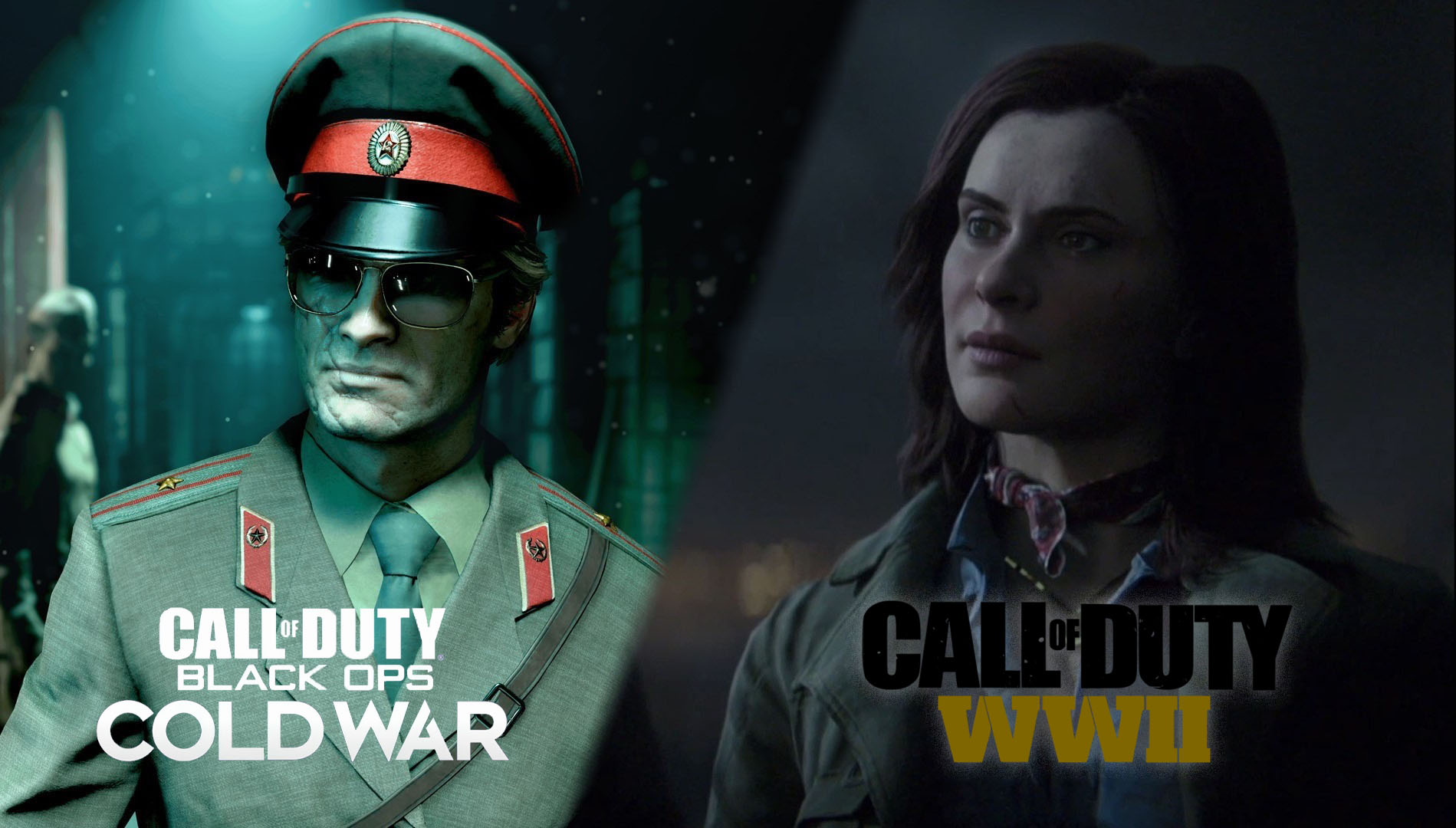
The Call of Duty franchise is often associated with large-scale battles, relentless gunfire, and explosive set pieces. However, two missions—”Liberation” from Call of Duty: WWII and “Desperate Measures” from Call of Duty: Black Ops Cold War — offer players a refreshing break from the usual run-and-gun formula. Both missions stand out for their unique approach to gameplay, emphasizing stealth, strategy, and immersion over the franchise’s trademark chaotic action. Let’s take a closer look at how these missions compare and what makes them so special.
The Stealthy Side of Call of Duty
While most Call of Duty missions have players rushing headfirst into battle, both “Liberation” and “Desperate Measures” prioritize stealth and tactical gameplay.
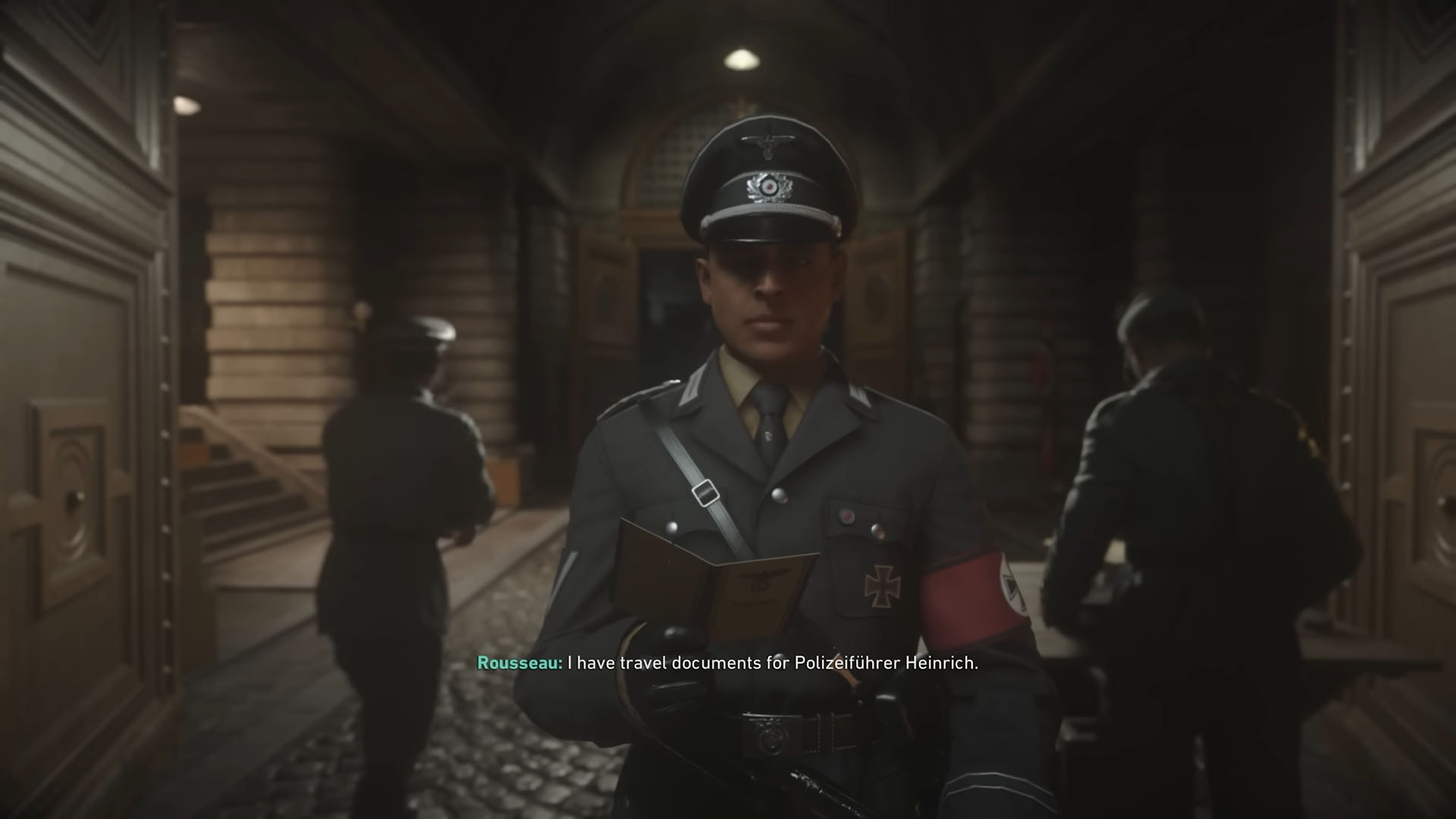
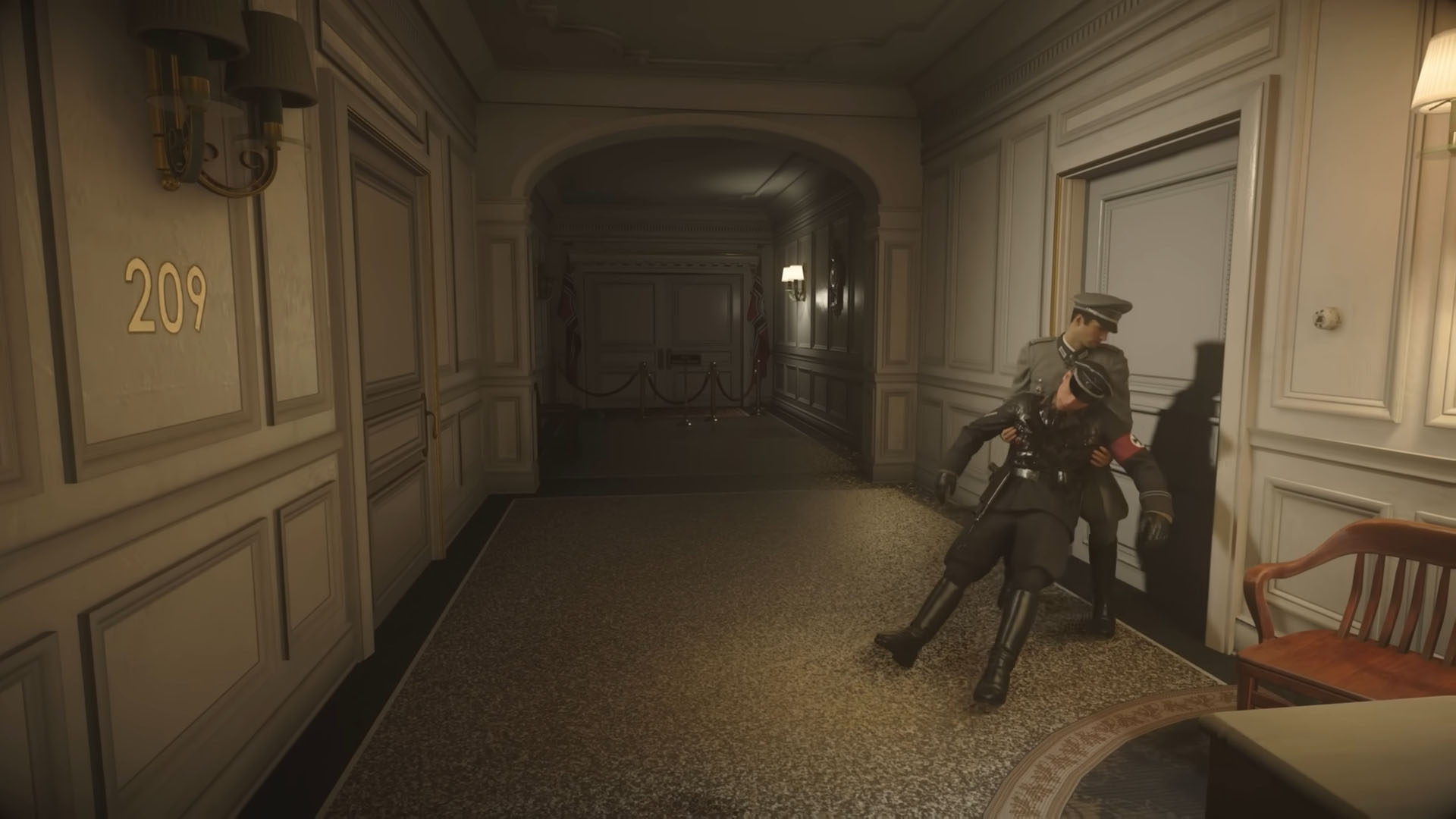
In Liberation, players take on the role of Camille “Rousseau,” a French Resistance fighter who must infiltrate a Nazi stronghold in Paris. This mission focuses heavily on deception, as players blend into enemy lines, using forged documents to navigate checkpoints and gather intelligence. Instead of relying on traditional firepower, the key to success is moving undetected, gathering vital information, and only engaging when necessary. The tension comes from using wit and subtlety to overcome the enemy, which is a stark contrast to the typical explosive gameplay of the series.
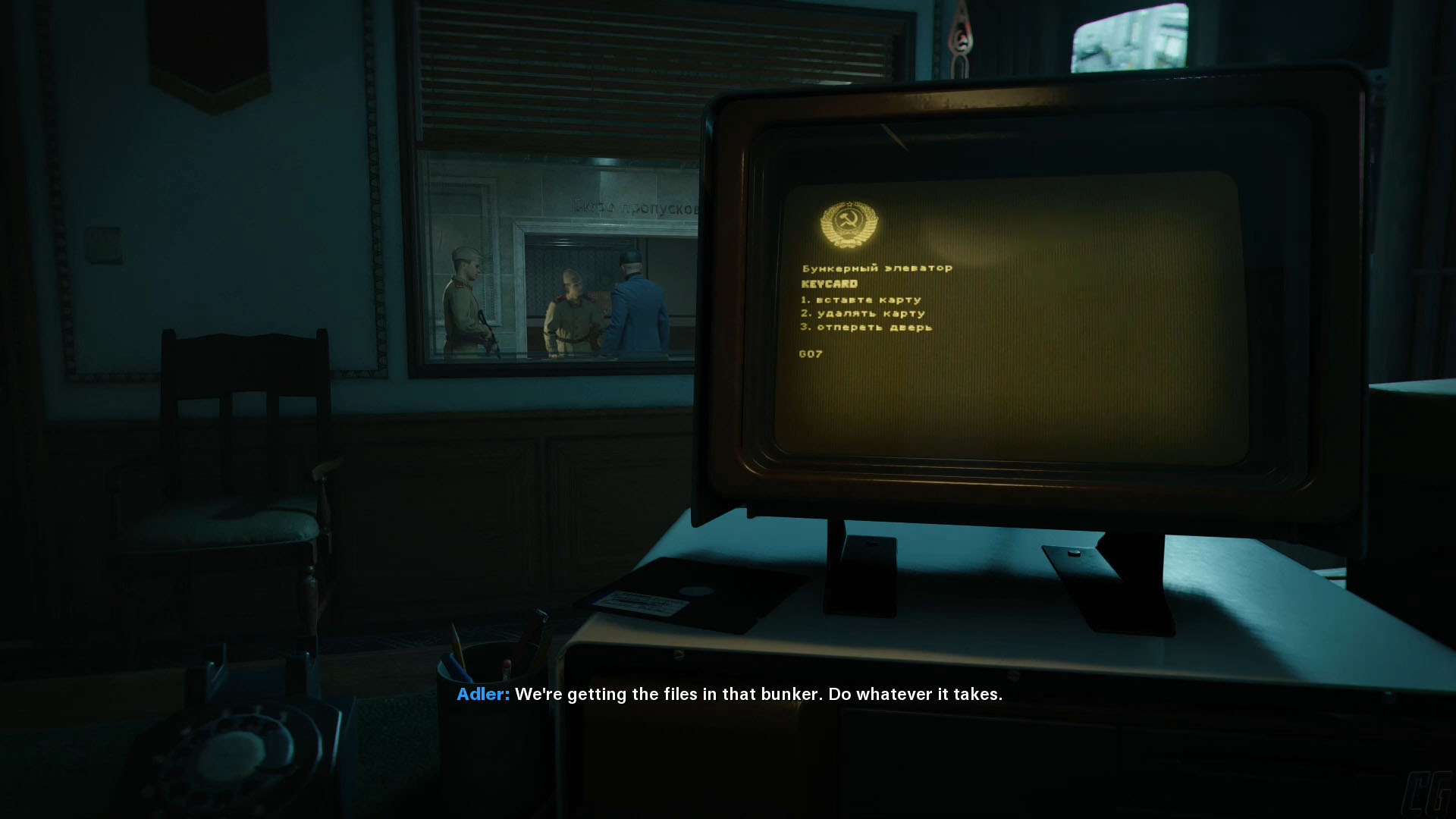
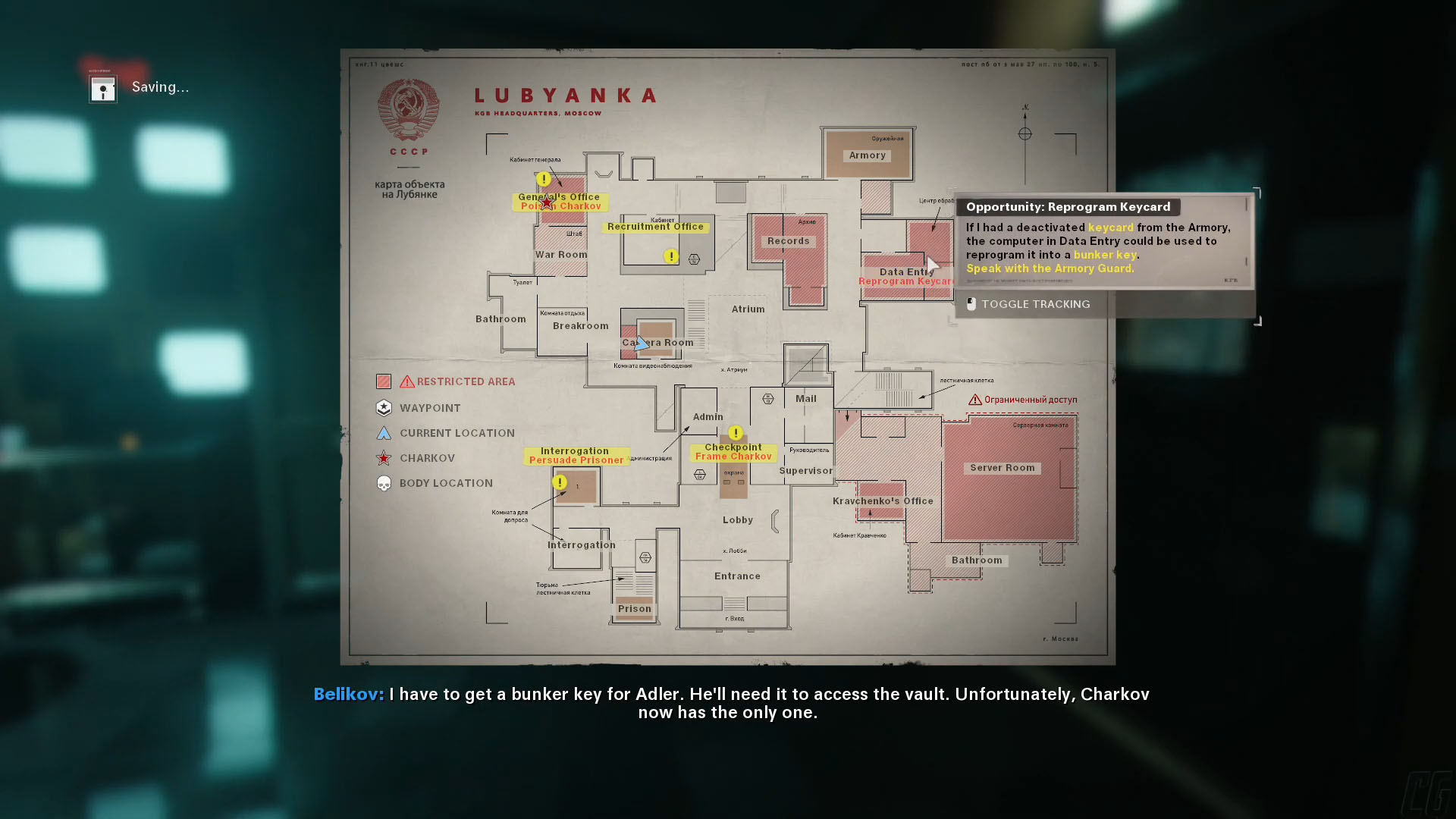
In Desperate Measures, players find themselves deep inside a Soviet facility as part of a covert CIA operation during the Cold War. Much like in “Liberation,” stealth is critical here, but the stakes feel even higher as players must sneak through one of the most secure locations in the world. The gameplay encourages players to hack security systems, distract guards, and disguise themselves to avoid detection. Engaging the enemy head-on isn’t the focus—instead, it’s about using creative solutions to navigate hostile environments. This mission allows for more player agency, letting you approach objectives in different ways, which is rare in the traditionally linear Call of Duty structure.
A Breath of Fresh Air in a Franchise of Action
Both missions are unique in that they step away from Call of Duty’s core mechanics of fast-paced shooting and explosions, instead encouraging players to slow down and think more strategically.
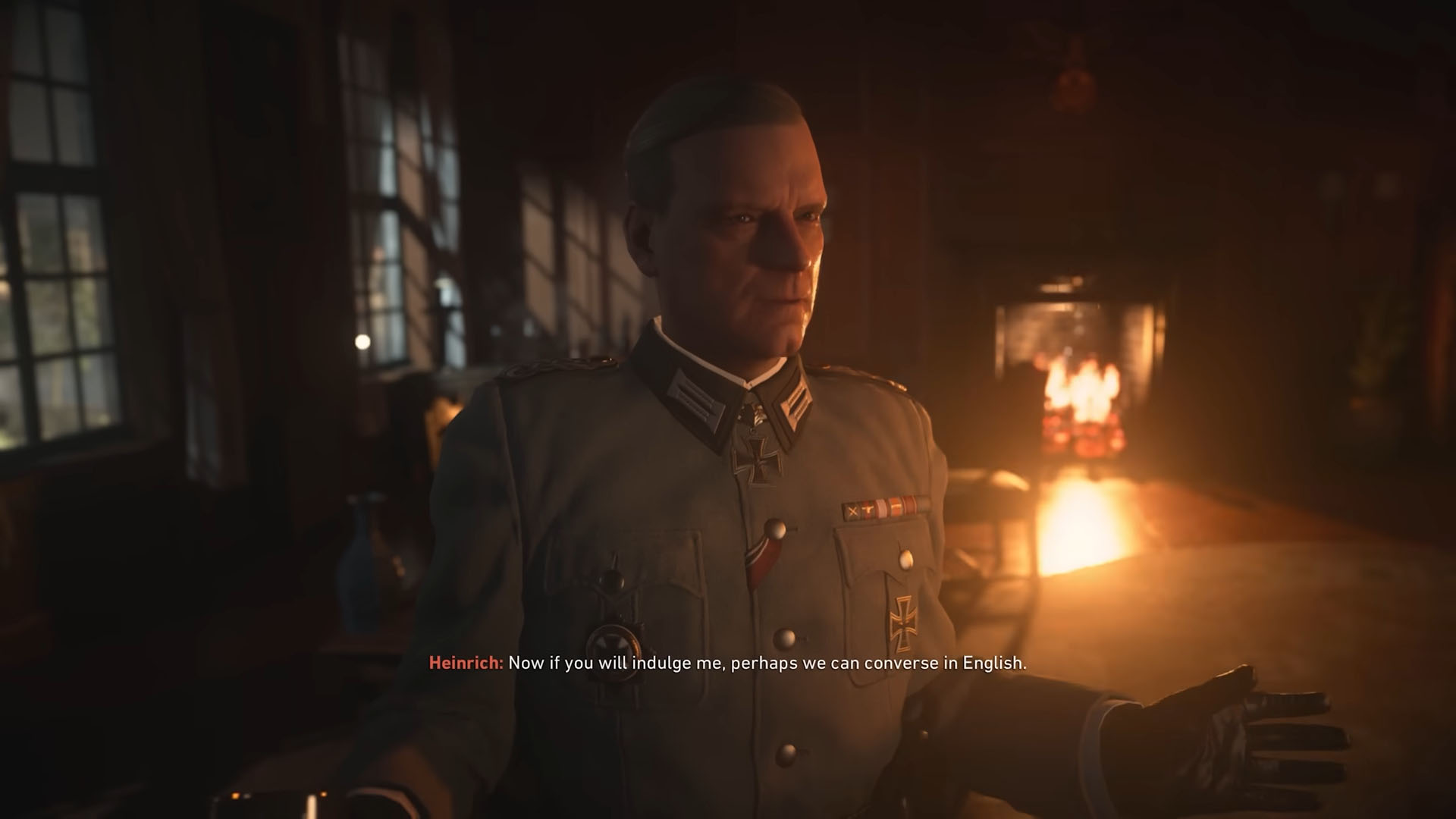
- Liberation focuses on careful planning and disguise. It challenges players to be aware of their surroundings, talk their way past guards, and choose the right moment to strike. The mission has a tense, methodical pace—where a single mistake can blow your cover, putting the entire operation at risk. It rewards players for patience and precision, something not typically associated with the all-out action of the series.
- Desperate Measures takes this one step further by introducing even more varied gameplay. Players can explore alternate paths, solve puzzles, and decide how to approach certain objectives. This sandbox-style design makes it feel like a tactical stealth game within the Call of Duty universe. The mission offers multiple ways to complete your objective—do you silently take out guards, use a distraction, or hack security systems to pass unnoticed? The variety adds a layer of depth that is often missing in the more linear, action-heavy sequences of other missions.
Breaking the Mold of Call of Duty’s Core Gameplay
The Call of Duty series is synonymous with high-octane firefights and cinematic explosions, but “Liberation” and “Desperate Measures” prove that the franchise can deliver equally engaging experiences when the focus shifts from overwhelming firepower to finesse and subtlety.
In Liberation, the change of pace from heavy combat to stealth and espionage within occupied Paris shows that the series can pull off atmospheric and tension-filled moments. It’s more about thinking like a spy than fighting like a soldier. This tactical shift stands out in Call of Duty: WWII, where most missions are about large-scale battles and brutal skirmishes.
Desperate Measures, meanwhile, offers one of the most unique missions in Black Ops Cold War, a game that’s already filled with psychological warfare and espionage. The mission breaks away from the non-stop action with an almost Hitman-like approach, offering players freedom of choice in completing their objectives, whether through sneaky tactics or solving puzzles. It’s a masterclass in how the series can innovate gameplay while still keeping the intensity high.
Conclusion: Strategic Brilliance in an Action-Packed Franchise
Though Call of Duty is best known for its intense combat sequences and explosive action, Liberation and Desperate Measures are standout examples of how the franchise can experiment with stealth and strategy without losing its core identity. Both missions are masterfully designed, bringing a fresh perspective to a series that thrives on chaos.
What makes these missions truly special is their ability to immerse players in slow-burn tension, where the consequences of being discovered are just as dangerous as an all-out firefight. In a franchise built around massive explosions and non-stop action, Liberation and Desperate Measures remind us that sometimes, the quietest moments are the most thrilling.